West Asia: War, survival, & the strategic reset
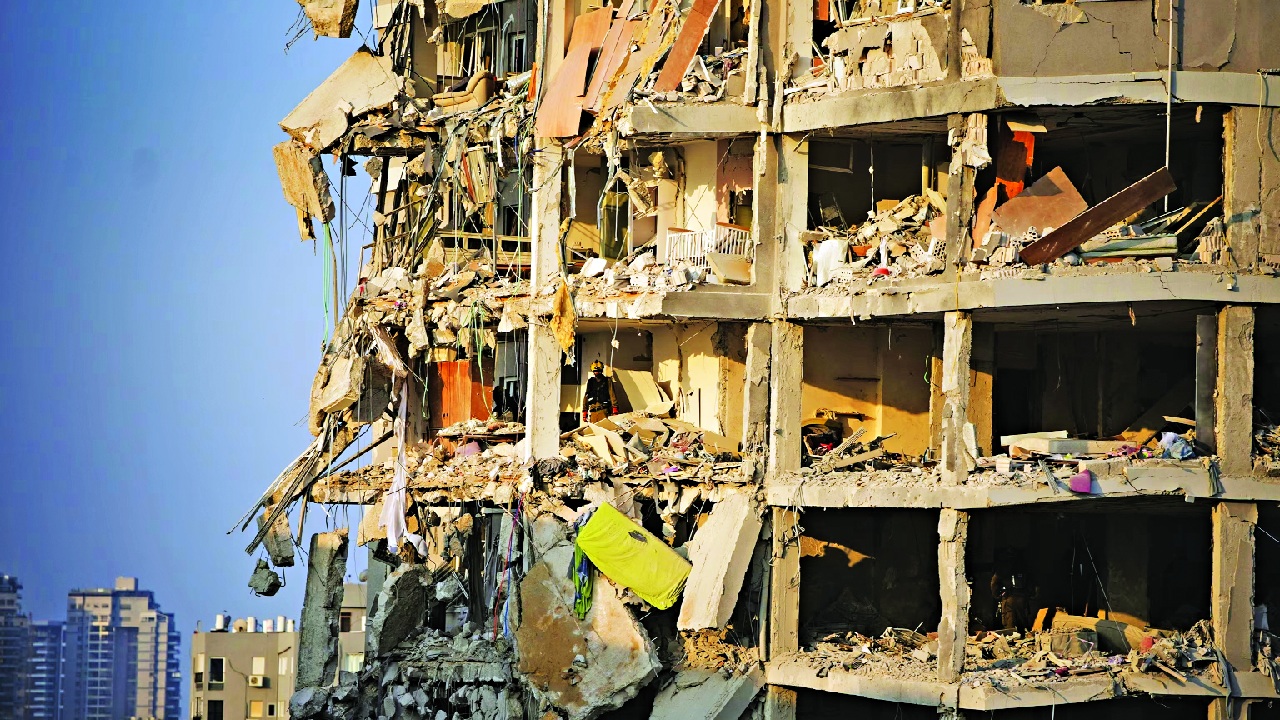
Wars in the modern era rarely end with clarity. They do not conclude with decisive battlefield triumphs or universally accepted outcomes. Instead, they end with narratives carefully constructed, politically driven, and strategically projected. What we are witnessing in the Middle East today is not merely a contest of military strength, but a deeper struggle over endurance, perception, and long-term geopolitical positioning. Beneath the visible layers of airstrikes, drone warfare, and diplomatic signalling lies a more fundamental reality: in modern conflict, survival itself has become the only meaningful measure of victory.
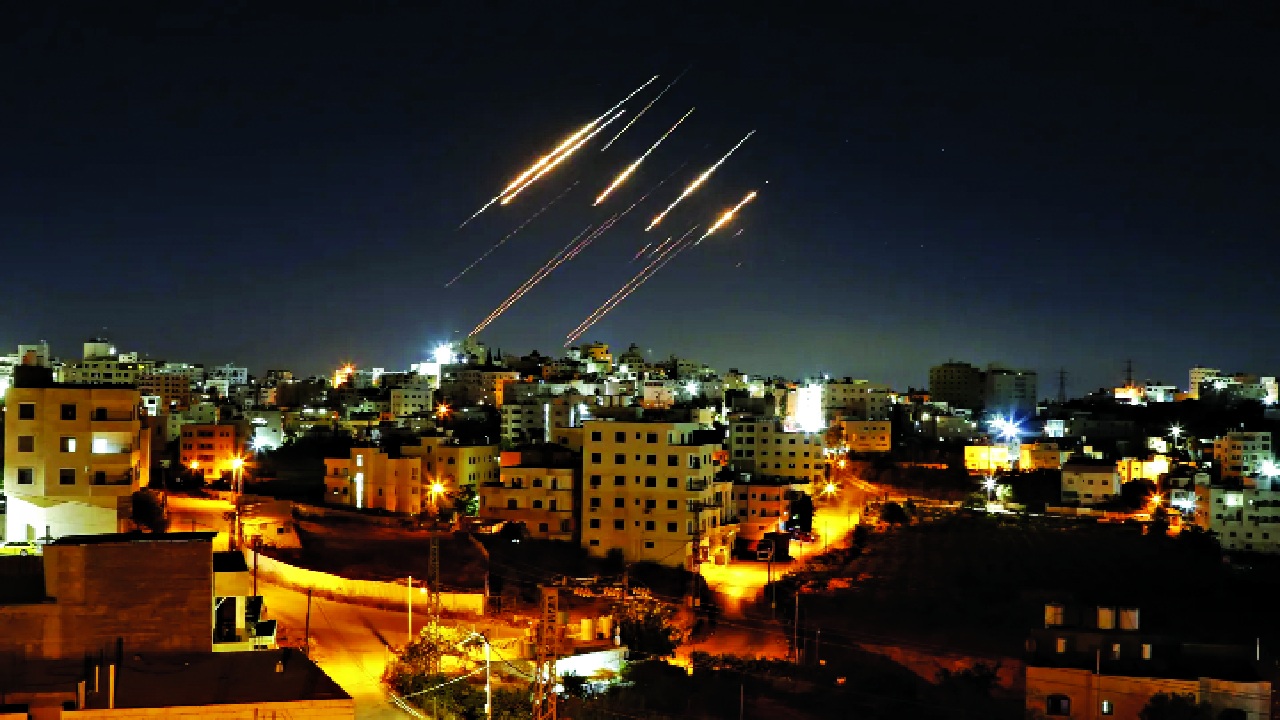
At the centre of this evolving landscape is a critical concept-the idea of a "simulated victory." As conflicts prolong and costs escalate, the incentive to declare success, regardless of ground realities, becomes stronger. A high-value target may be eliminated, a symbolic figure neutralised, or a temporary operational objective achieved. Such developments are then amplified and presented as decisive turning points. In this context, leaders like Benjamin Netanyahu may frame specific tactical outcomes as strategic breakthroughs. However, history consistently demonstrates that the removal of individuals rarely dismantles deeply embedded systems. Networks adapt, ideologies endure, and power structures reorganise. What appears to be victory often conceals a prolonged stalemate.
A defining feature of this conflict is the economic dimension, which is rapidly becoming as decisive as military capability. The asymmetry in cost structures is striking. Low-cost drones and improvised systems deployed by Iran or its regional partners can impose disproportionately high financial burdens on advanced defence systems. Intercepting relatively inexpensive threats with sophisticated missile defence platforms creates a dynamic where the technologically superior side faces escalating costs over time. This imbalance introduces a strategic paradox: strength becomes expensive, while persistence remains affordable.
For the United States, this economic strain is not an abstract concern-it is a tangible strategic constraint. Under leaders such as Donald Trump, whose geopolitical approach often emphasises measurable returns and cost-efficiency, prolonged engagements without clear outcomes become increasingly difficult to justify. If the financial and political costs of war continue to rise without delivering decisive results, the pressure to recalibrate strategy intensifies. Historical precedents, including shifts in U.S. engagement in conflict zones like Syria, suggest that such recalibration can occur abruptly when the balance between cost and benefit becomes unfavourable.
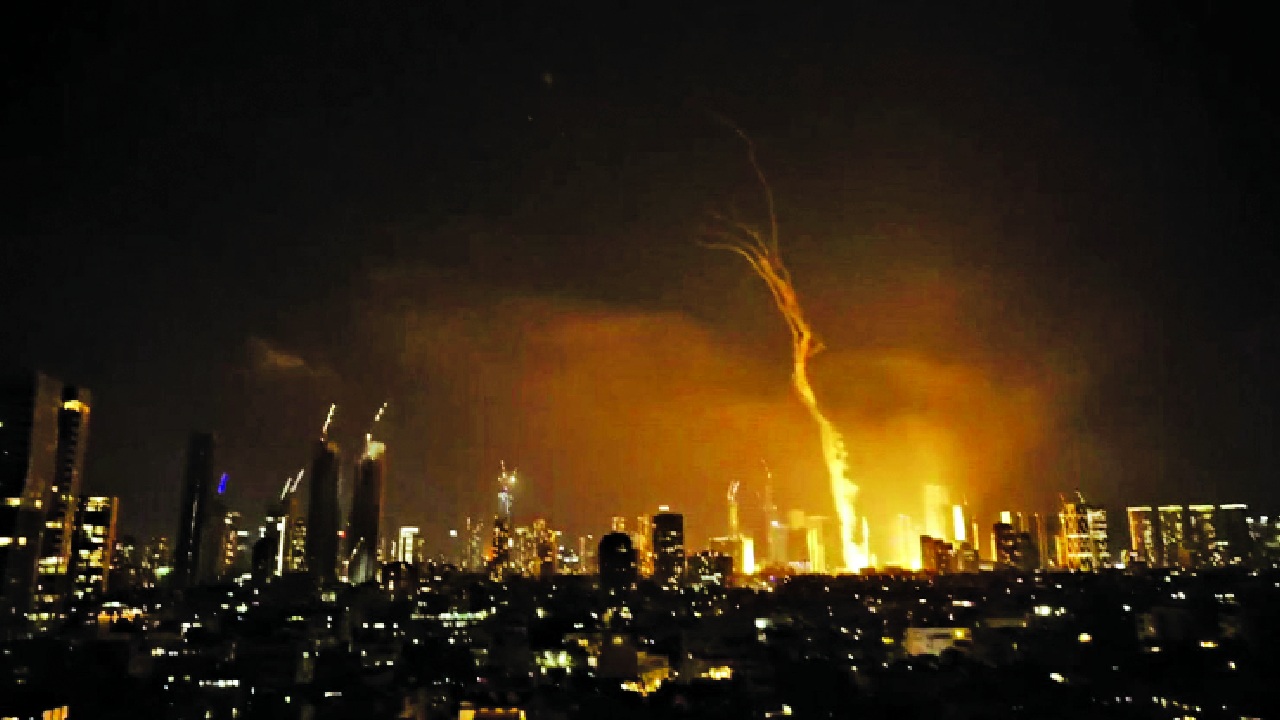
Compounding these challenges is the issue of intelligence miscalculation. Institutions such as the Central Intelligence Agency and Mossad have long been regarded as among the most capable intelligence organisations in the world. Yet, even the most sophisticated systems are not immune to misjudgment. The expectation that a rapid decapitation strike could destabilise or collapse Iran's strategic structure appears to have underestimated the resilience and adaptability of its governance and military networks. Instead of fragmentation, Iran demonstrated continuity. Instead of collapsing, it responded with calibrated resistance. What was intended as a swift and decisive campaign has evolved into a prolonged contest of endurance.
This outcome is not accidental-it reflects a deliberate strategic doctrine. Iran's approach is built on the principle that survival is victory. Unlike conventional military doctrines that prioritise territorial gains or decisive defeats of the enemy, Iran's strategy focuses on maintaining regime continuity under pressure. The objective is not to win in the traditional sense, but to ensure that it does not lose. Every day that the system remains intact reinforces its legitimacy, both internally and within its network of regional alliances.
This strategy of patience is beginning to produce measurable effects. By avoiding confrontation with a superior military force and instead applying distributed pressure across multiple fronts, Iran has gradually reshaped the operational environment. The conflict is no longer confined to a single battlefield; it has expanded into a broader regional dynamic involving economic disruption, maritime tension, and proxy engagements. Over time, this sustained pressure begins to influence the calculations of other actors.
One of the most visible consequences is the gradual shifting of regional alignments. Countries that initially offered support, whether political, logistical, or economic, begin to reassess their positions as the conflict prolongs. The risks increase, the costs accumulate, and the benefits become uncertain. As a result, support becomes more cautious, more conditional, and in some cases, quietly withdrawn. This erosion of collective backing weakens the initial coalition and alters the strategic balance.
At the same time, the economic ripple effects of the conflict extend far beyond the region. Energy markets respond to instability, supply chains face disruption, and global financial systems absorb the shock of uncertainty. These pressures eventually circle back to domestic economies, including that of the United States. When the economic consequences of war begin to affect domestic stability, public sentiment, and political capital, the appetite for prolonged engagement diminishes significantly.
In such an environment, the prospects for meaningful negotiation become increasingly limited. Diplomacy requires not only willingness but also the right conditions-trust, stability, and a degree of mutual flexibility. However, the current context offers little of these. Leadership dynamics within Iran further complicate the picture. While figures like Ali Khamenei have
historically balanced ideological firmness with strategic calculation, the emergence of a more hardline orientation-often associated with Mojtaba Khamenei-signals a shift toward greater rigidity.
When leadership is shaped by direct conflict, personal loss, and heightened threat perception, the space for compromise narrows considerably. Decisions are influenced not only by strategic logic but also by emotional and ideological factors. In such circumstances, expecting rapid or meaningful negotiation may be unrealistic. Instead, the conflict is likely to transition into a prolonged phase of managed instability.
This phase will be characterised by an increase in proxy warfare. Indirect engagements offer several advantages: they are cost-effective, deniable, and capable of sustaining pressure without triggering full-scale escalation. For Iran, this aligns perfectly with its broader strategy. It allows the continuation of conflict without overextending resources, while simultaneously maintaining pressure on adversaries.
For Israel, this evolving scenario presents a complex and challenging environment. While it retains significant military and technological superiority, the nature of the threat is shifting. Instead of conventional warfare, it faces dispersed, persistent, and unpredictable forms of pressure. As regional alliances become less reliable and international support shows signs of fatigue, the possibility of strategic isolation becomes a growing concern.
Iran's leadership appears to understand this trajectory clearly. It does not seek to defeat the United States or Israel in direct confrontation. Instead, it aims to reshape the environment in which they operate-to increase costs, strain alliances, and prolong uncertainty.
Looking ahead, a plausible scenario begins to emerge. The United States, facing rising costs and domestic pressures, may choose to declare a form of strategic success. This declaration may be based on limited objectives: disruption of networks, targeted elimination, or containment of escalation. Such a move would allow for a gradual reduction of direct involvement without framing it as a withdrawal under pressure.
However, this does not resolve the underlying conflict. Instead, it shifts the burden to regional actors. The responsibility for managing ongoing tensions, countering proxy threats, and maintaining stability falls increasingly on local allies. Yet, these alliances are themselves under strain. Diverging interests, economic vulnerabilities, and political considerations make sustained coordination difficult. In this context, the risk is not a single, large-scale war, but a series of continuous, lower-intensity conflicts that keep the region in a state of persistent instability. This "new normal" is defined not by peace or war, but by an ongoing condition of strategic tension.
The broader geopolitical implications are equally significant. Global powers such as China and Russia are closely observing these developments. At the same time, it creates opportunities to expand influence, particularly in post-conflict reconstruction and regional partnerships. At the heart of all these dynamics lies a fundamental shift in how victory is understood. The traditional notion of decisive, conclusive outcomes is increasingly irrelevant in modern conflict. Instead, success is measured by resilience-the ability to endure, adapt, and maintain continuity under pressure.
For Iran, this means survival of the regime.For Israel, it may mean maintaining security despite evolving threats.For the United States, it involves balancing global commitments with domestic priorities and strategic constraints.The most important lesson of this conflict is also the simplest: there are no true winners in modern war. What remains are degrees of loss, layers of narrative, and the enduring question of who managed to withstand the pressure.
The writer is a strategic affairs expert specialising in national security with a focus on geopolitical risk and asymmetric warfare.; views are personal