West Asia crisis fallout: When energy crisis hits your kitchen
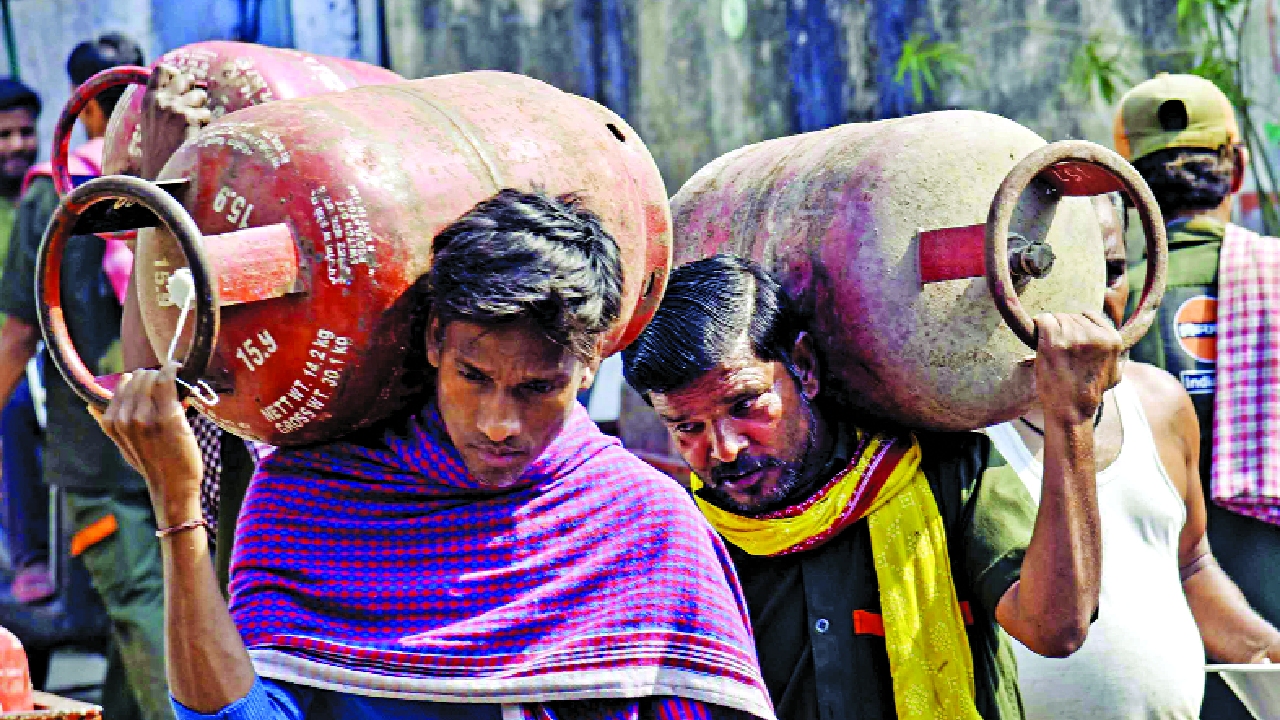
Cooking energy transition has recently gained sudden attention due to the crisis triggered by the conflict in West Asia. As maritime disruptions push up gas prices and raise domestic supply concerns in India, electric cooking options are witnessing a surge in demand. This piece goes deeper into the question of cooking energy transition challenges in India and highlights how this crisis could be turned into an opportunity for the country.
Cooking energy: A critical blind spot in the energy transition discourse
Despite the importance of cooking energy, it has not really received due emphasis in the country’s energy transition narrative. Rather, the energy transition issues are swayed away by big-ticket transition questions such as renewable energy (RE) acceleration and electric vehicle (EV) penetration. This is primarily due to the decentralised nature of cooking activities, conjugated with less investment appetite among investors to invest in this sector. Delisting of improved cookstoves (ICS) from the activities under Article 6.2 of the international carbon market further added to the woe. Available statistics show that close to 37 per cent of Indian households continue to use traditional biomass fuels.
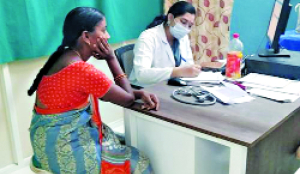
However, the cooking energy sector has huge transformative potential, and the ongoing energy crisis could act as an opportune moment for the sector to transform. Beyond mitigation, clean cooking options could generate significant health benefits, particularly for women and children. Household indoor pollution (HAP)-related death statistics show that an estimated 2.8 million deaths globally could be attributed to HAP resulting majorly from traditional biomass and charcoal-based cooking in 2023. Besides, clean cooking options, in particular e-cooking options, could save precious foreign exchange by minimising the import of expensive energy sources.
Presence of rigid stacking problem and (dis)integration challenges
Deep diving into the transition trajectory of the cooking energy space unfolds some interesting emerging patterns. The Indian cooking energy landscape is governed by a rigid energy stacking problem, which has historically been characterised by poor availability, inaccessibility and limited affordability of cooking fuel options. However, recent trends suggest emerging patterns of disintegration and integration of different cooking options within this rigidity. The disintegration is largely taking shape through the gradual pulling back of households from traditional biomass cooking options primarily because of the increasing scarcity of such fuel options, supplemented by their surging costs. On the other hand, the penetration of LPG, PNG and e-cooking options has created new transition integration options for the cooking energy sector.
Gas-based cooking options: at best could be a transitory solution
Statistics indicate that LPG connections have doubled from 166 million in 2016 to almost 330 million households in a decade’s time. The most significant policy push driving LPG is the Indian government’s flagship Pradhan Mantri Ujjwala Yojana. Despite the visible success of LPG as a modern cooking fuel, its use in rural areas is limited to less than 50 per cent, thus making a large chunk of rural households continue to rely on traditional fuels for cooking. Further, while LPG connections suffer from problems of refilling, there are also cases of misuse of cylinders often not meant for households, safety issues and health risks for the cook. Similarly, PNG is argued to be a better choice compared to LPG in many aspects. PNG offers safe, efficient, 24/7 available cooking solutions. However, its availability is mostly limited to cities and towns, with around 1.63 crore connections only. Furthermore, both LPG and PNG are not long-term sustainable cooking options for India. India’s domestic supply of gas is limited, and the country is heavily dependent on imports, with around 50-60 per cent of its PNG and LPG being imported. This not only puts pressure on India’s foreign exchange reserves but also exposes the country to supply chain uncertainties and vulnerabilities. Use of decentralised biogas and biomethane is often considered as an alternative option. However, the real challenge lies in the availability of feedstock and their implications for other sectors. For instance, first-generation biofuels which use food-based feedstock could create conflicts around food-energy trade-offs.
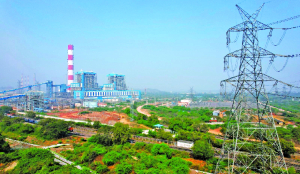
Could e-cooking act as a long-term sustainable solution? The question is whether e-cooking option(s) could be a cost-effective, long-term sustainable cooking option. The recent NITI report highlights the importance of e-cooking for the Net Zero scenario for the country. The National Efficient Cooking Programme, launched in November 2023, is promoting affordable, energy-efficient induction cookstoves for households. However, the penetration of e-cooking is limited to only 5 per cent of Indian households and is largely confined to urban centres as a supplementary cooking choice. Estimates by the authors and other studies show that stove cost and fuel expenditure in the case of induction cookstoves is almost the same as or lower than LPG. With expanding renewable energy in a big way, fuel security could be achieved. However, achieving decarbonisation through e-cooking depends on the greening of the electric grid.
While e-cooking options look like promising long-term sustainable cooking options, the real challenge lies in provisioning e-cooking systems in rural areas due to grid reliability problems. Besides, an important consideration which could act as a deterrent is the presence of telescopic subsidised slab-based electricity tariff structures for households. The question often raised is whether cooking energy could be considered as a separate category of consumption within household electricity consumption and could be billed separately. The other feasible option that could become a game changer is through linking the PM Suryaghar scheme with household cooking. Though the programme is for household electrification, it could effectively be used as a source of cooking energy. To conclude, the present crisis has the potential to be converted into an opportunity for e-cooking to ensure fuel security, clean kitchens and decarbonisation of the sector. The need of the hour is framing and implementing the right kind of policy for clean cooking.
Gopal K Sarangi is an Associate Professor at the TERI School of Advanced Studies, New Delhi; Arabinda Mishra is the Chairperson of the Development, Environment and Futures Trust (DEFT), Bhubaneswar, and Debajit Palit is Centre Head at the Centre for Climate Change and Energy Transition, Chintan Research Foundation (CRF), New Delhi; views are personal