Ukraine War: Four years, no end in sight
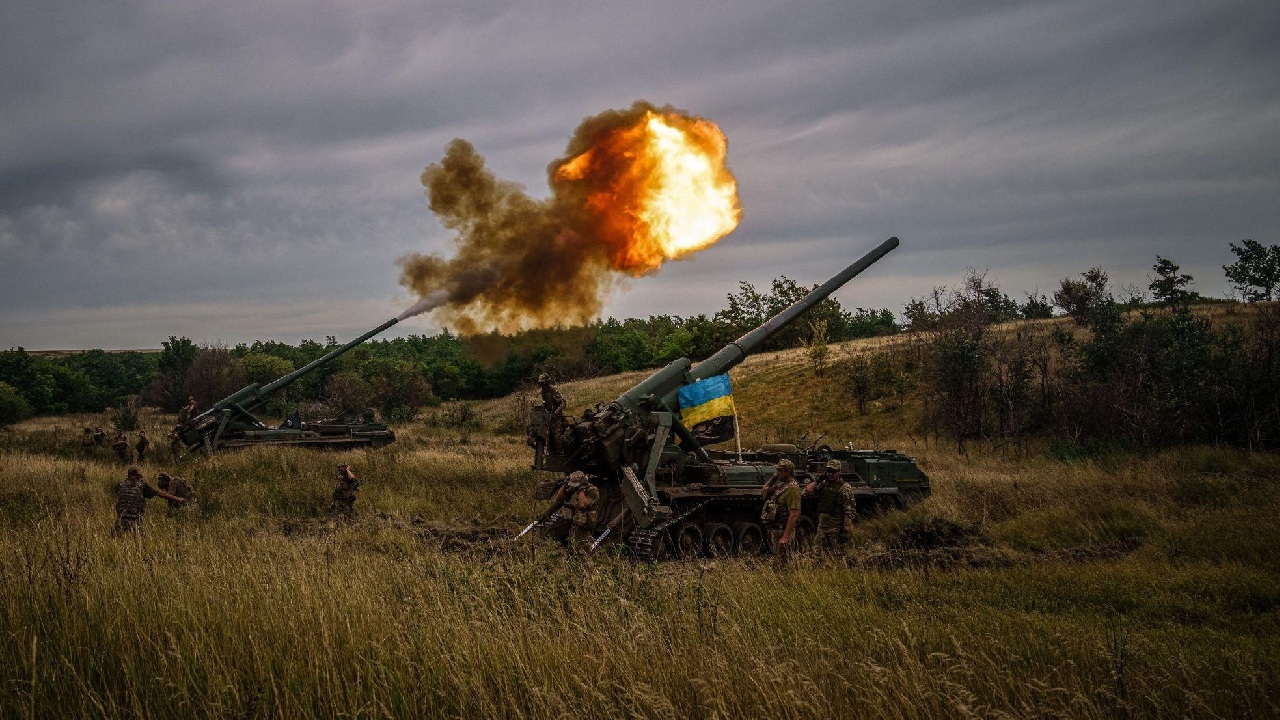
When Voltaire said, “It is forbidden to kill; therefore all murderers are punished unless they kill in large numbers and to the sound of trumpets,” he could well have been talking about the Ukraine war that has raged for four long years. It is a war that goes unabated. With both sides digging in their heels, the conflict now appears to be more about ego clashes and superpower rivalry than about the people who continue to pay the price. Four years ago, on February 24, 2022, Vladimir Putin launched what he called a “special military operation” against Ukraine. He had no idea it would stretch for years, as he wanted to wrap it up by claiming the border areas of Ukraine which he feels belong to Russia. But it is a stalemate — costly, grinding, and far from resolution. Four years on, the goals set by Russian President Vladimir Putin are yet to be achieved, but the cost of the war has been huge on both sides. It is a human tragedy unfolding every day. The United Nations estimates that more than 15,000 civilians have been killed and over 40,000 injured. Military casualties on both sides are estimated to run into the hundreds of thousands, with some believing the figure could go between 1.8 and 2 million. The economic toll has been equally severe. Direct damage to Ukraine’s infrastructure and property has exceeded $195 billion. When broader economic losses are taken into account, the overall cost of the war is assessed at more than $2 trillion. It is a war no one is winning, yet all are paying the price.
Russia now controls significant swathes of eastern and southern Ukraine, yet it has failed to subdue the country or topple its government. Ukraine, with the help of Western military aid and resilience, has reclaimed territory, but the human cost is immense. The battlefield has evolved into a war of attrition — artillery duels, drone swarms, trench warfare reminiscent of the early 20th century, and relentless missile strikes on cities. After Donald Trump became President of the United States, he has been pressing Kyiv to consider territorial concessions in pursuit of peace, but Ukraine is in no mood to oblige. War fatigue is visible, yet no one wants to blink first.
Energy shocks, inflationary pressures, and the strain of sustaining military aid have tested alliances. For Ukraine, the war is existential — about sovereignty, identity, and survival.
Equally damaging has been its impact on geopolitics. The post-Cold War belief that large-scale wars would not happen no longer holds. The war has redrawn security contours, expanded NATO, and the world is once again moving towards war preparedness. Global food and energy systems have been badly impacted, as grain exports from the Black Sea became bargaining chips and gas pipelines turned into geopolitical weapons. Developing nations have been paying the price through higher food bills and fuel shortages.
Yet through all this, Ukraine’s resilience remains exemplary and will endure long after the war is over. Zelenskyy’s bunker address was a reminder that in modern war, morale is as critical as missiles. It is also a warning to nations harbouring imperialistic ambitions that no matter how small a country may be, if its people resolve to fight back, it becomes invincible.