The rhythms of Nagaland
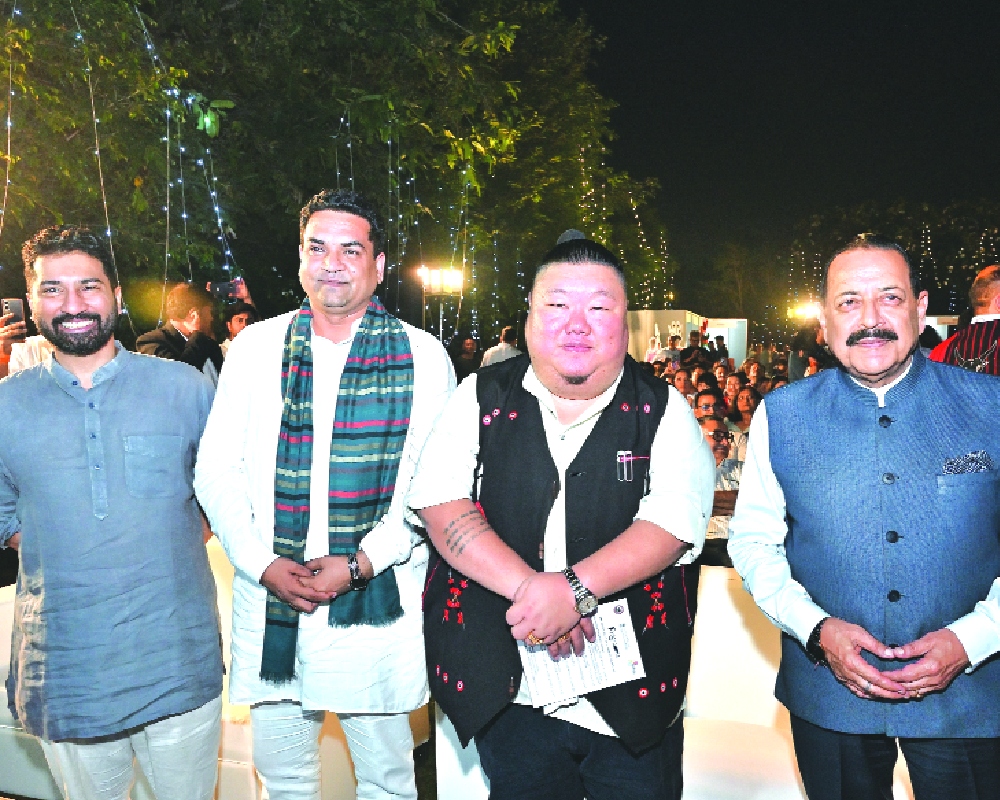
The spirit of Nagaland came alive in the national capital, As the 4th edition of the Autumn Festival, a prelude to the 26th Hornbill Festival, opened its doors to art, culture, and heritage enthusiasts at Nagaland House in New Delhi. Marked by grandeur, energy, and pride in Nagaland’s cultural heritage, the two-day celebration offered Delhi residents and visitors a vibrant display of the state’s traditions, music, dance, fashion, and cuisine.
Amid the festivities, Temjen Imna Along, Minister of Tourism and Higher Education, Government of Nagaland, warmly addressed the gathering: “Aaj ki sundar shaam, Delhi walo ke naam. Delhi is not just the capital of India; it is the heartbeat of our lives. Lakhs of Naga people come to Delhi for higher education, and we Naga people don’t stay here as guests, we stay here as in our own land, among our own people.” His words set the tone for two days of cultural celebration, reflecting the deep connection between the Naga community and the city.
The festival was inaugurated by Kapil Mishra, Minister for Tourism, Art and Culture, Government of NCT Delhi, who described the relationship between Delhi and Nagaland as “like that of brothers” and expressed his desire to make this an annual cultural celebration. The inauguration was also attended by Chavan art Thangsumphant, Ambassador of Thailand in India, Dr Jitendra Singh, Union Minister of State for Personnel, Public Grievances, and Pensions, along with Abu Metha, Adviser to the Chief Minister and Chairman of IDAN, and Arenla Jamir, Commissioner Secretary of the Tourism Department. Adding to the distinguished presence, Kevin Kelly, the Ambassador of Ireland to India, Bangladesh, Nepal, Sri Lanka, and the Maldives, also graced the festival, taking the opportunity to experience the enriching culture of Nagaland firsthand. His participation underscored the event’s growing international appeal and the universal resonance of Naga traditions.
Temjen Imna Along welcomed all attendees, inviting them to visit Nagaland during the Hornbill Festival and emphasising that the event is not just a tribal gathering but a celebration of life, culture, and the Naga way of being. The celebration came alive with performances that had the audience clapping, cheering, and tapping their feet. Naga artists such as Tiatemsu & Kiki, Colored Keys, The Eastory Project, and The Mahila Band, famed from India’s Got Talent, captivated the crowd with their unique blend of contemporary and traditional music.
From soulful folk melodies to lively, foot-stomping rhythms, every performance was a journey into Nagaland’s musical heritage. Traditional dance added colour and rhythm, with dancers in vibrant tribal regalia portraying stories of valor and community, their precise, expressive movements reflecting why the Hornbill Festival is called the “Festival of Festivals. Adding to the vibrancy, the Autumn Festival hosted a fashion show showcasing exquisite Naga textiles — handwoven shawls, jackets, and accessories blending tradition with modern style. Stalls around the venue allowed visitors to explore craft traditions, with artisans demonstrating weaving techniques and selling handloom products, jewellery, and ceremonial attire.
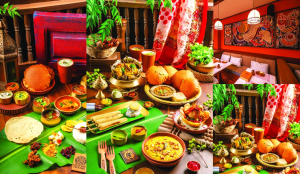
Each item reflected the state’s deep-rooted artistry, turning Nagaland House into a bustling marketplace of culture and creativity. Culinary Treats and Networking, No festival is complete without food, and the Autumn Festival delighted visitors with an authentic taste of Nagaland.
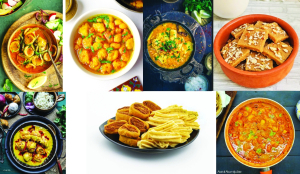
From smoked meats and bamboo shoot curries to rice-based dishes and fiery chutneys, the cuisine offered a sensory journey through the hills of the Northeast.
The bold, aromatic flavours left visitors eager to experience more during the Hornbill Festival. Minister Temjen Imna Along highlighted the Hornbill Festival’s growing importance, calling it not only a cultural spectacle but also an engine of economic and social connection. “Every year, in just ten days, the festival attracts at least three lakh visitors and generates an economic impact of around `200 crore,” he noted. “More importantly, it allows Nagas to network with the rest of the country and showcase our culture to the world. In the new Bharat, Nagas are confident, secure, and open to collaboration.”
Beyond performances and exhibitions, the Autumn Festival created a platform for cultural dialogue and mutual understanding. Visitors from across India and abroad experienced the warmth, hospitality, and vibrant traditions of Nagaland.
Through art, music, dance, and cuisine, the festival bridged communities and celebrated India’s diversity .For two days, Nagaland House transformed into a living canvas of Naga life. Its colours, sounds, and flavours offered a glimpse of the state’s rich heritage and evolving creativity. As the Autumn Festival ended, attendees left inspired by the Naga spirit. It served as a bridge between Nagaland and Delhi, tradition and modernity, and reminded all that culture knows no boundaries.