The Living Highlands: The Culinary Soul of Nagaland
Nagaland, nestled in the north-eastern part of India, is a land of rugged hills, lush valleys and home to a diverse and vibrant tribal culture. Bordered by Myanmar to the east, Arunachal Pradesh to the north, Assam to the west and Manipur to the south, the state lies within the Patkai hill ranges, giving it a charming, undulating terrain. Its landscape is marked by forested slopes, swift rivers such as the Doyang and Dikhu, and a pleasantly temperate climate influenced by its elevation. Known for its rich and diverse biodiversity and formidable mountains, such as Mount Saramati (12,552 feet above sea level), the state's highest peak, Nagaland's geography has played a defining role in its culture, habitation, cuisine and distinctive way of life.
Nagaland's original inhabitants are believed to be ancient Tibeto-Burman migratory groups, a varied set of clans and communities that moved from the north into the eastern Himalayan region probably for more hospitable climatic conditions. Over centuries, these early settlers evolved into the diverse Naga tribes as they are known today, each with distinct languages, customs and traditions, yet bound by a common cultural identity. Traditionally organised into autonomous villages, the Nagas developed a participatory system of governance where councils of elders determined clan-based rules that regulated social life, justice and inheritance. This community-based framework worked effectively and was respected through numerous waves of migration and external contact, and laid the foundation for the cohesive yet pluralistic Naga identity that has shaped the state's social and political systems.
The Ao, Angami, Sema (Sumi), Lotha, Konyak, Chakhesang, Rengma, Zeliang, and other communities also developed integrated cultural systems that harmonized agriculture, craftsmanship, and martial traditions. Stone memorials, carved log drums, and rituals reveal a civilisation based on ancestral reverence which is the guiding principle of moral conduct linking each generation to its roots and identity till this day. The British colonial period inevitably brought changes, new administrative structures and roads providing better connectivity, but the core of Naga lifestyle remained imbued with the village community. Recognising this, the statehood movement of the mid twentieth century was not merely a political transition but a reinforcement of cultural continuity that, though diverse, shared a lasting relationship with their ancestors and their land.
The traditional religious systems of Nagaland on the other hand were shaped largely by animism (the life force of nature) and ancestor worship, influences of their close relationship with their community and environment. Forests, mountains and rivers were seen as dwelling places of spirits, shaping rituals linked to agriculture, hunting and protection. Ancestor veneration was preserved through institutions like the morung, a place where ancestral lore, warrior values, craftsmanship and ritual knowledge was transmitted specially to the youth. The Angamis honoured spirits known as ‘terhuomia, the Aos’ marked new seasons through Moatsu, and the Sumis observed Tuluni as a festival of thanksgiving to celebrate abundance. The Chakhesangs celebrated Sukhrunye, a festival of purification and renewal, while the Rengmas performed rituals for agricultural prosperity and protection from malevolent spirits. These ceremonies often included invocations offered beside sacred stones, ritual hunts, and blessings sought from forest spirits and before clearing new fields for jhum cultivation. In many regions, ancestral altars stood at the heart of the village, and elders guided the community in interpreting omens found in bird calls, animal movements, or dreams. With the spread of Christianity in the late nineteenth and early twentieth centuries, the religious landscape of Nagaland transformed significantly. Churches became central institutions, hymns in Ao, Angami, Sumi, or Lotha languages belonging to a branch of Sino-Tibetan languages, became common, and communal prayers replaced many earlier rites. Yet the spirit of ancestral values remained deeply embedded. This intertwined spirituality continues to influence festivals, customs, and the philosophy of cooking to this day, infusing daily meals with the quiet dignity of tradition.
Today, the Nagas are widely regarded as a people of remarkable bravery, shaped by a long tradition of warriorhood and fierce defence of their land. Their deep respect for ancestors and heritage endures and continues to guide their value systems and cultural identity, even in these contemporary times.Though some have embraced new faiths, the Nagas retain a strong sense of religious devotion, rooted in both tradition and community life. Above all, they are admired for their close-knit society, where cooperation, hospitality and their enduring love for their traditional cuisine remain central to their lifestyle.
Nagaland's cuisine is acknowledged for its extraordinary complexity and individuality that is as nuanced as its landscape. Unlike many other regions that this series of articles have explored regularly on its journey through the length and breadth of India, Naga cuisine, like most other North Eastern States, cannot be generalised because it varies in nuances and flavours from tribe to tribe and from region to region. Cooking techniques, the degree of fermentation, the choice of greens, the type of smoked meat, and even the flavour of the same ingredient can differ depending on who prepares it and where it is made. This remarkable diversity makes describing Naga cuisine in its entirety a challenge and therein lies its allure, for every community holds its own traditions and every kitchen carries its own inherited wisdom. Yet, respecting this immense diverse culinary canvas, I will attempt to capture the essence of these traditions as faithfully and thoughtfully as possible.
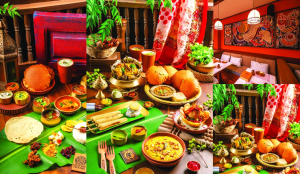
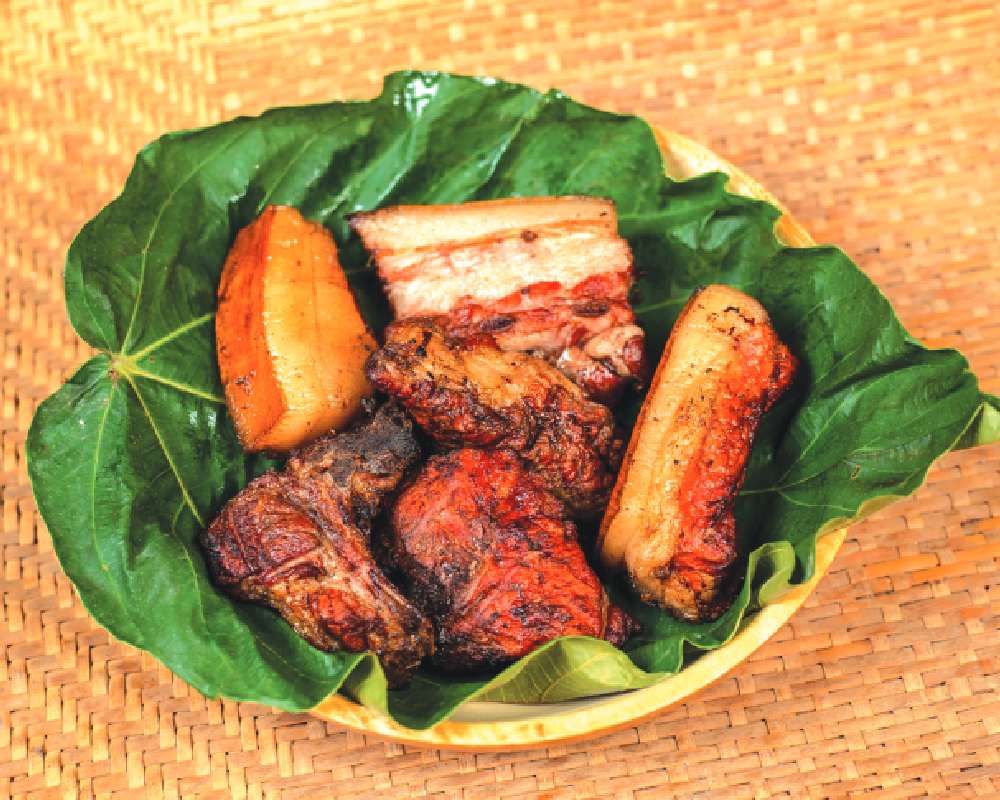
This diversity apart, Nagaland's cuisine is among the most distinctive in India, celebrated for its exotic flavour, reliance on fresh ingredients, and availability of seasonal produce. Across the hills each tribe shaped its own culinary identity through climate, vegetation, and age-old cooking methods. In the eastern highlands where the Konyaks dwell, the cuisine is dominated by smoked meats, dried fish, fermented bamboo shoots, ginger leaves and chillies. Smoking is not merely a cooking technique but a preservation method perfected over generations. Meat and fish are hung above the household hearth for days, sometimes weeks, slowly drying in the rising heat and absorbing the aroma of firewood, often sourced from local trees that impart their own subtle flavors. This creates a depth that defines many Konyak dishes and ensures food security during long monsoons. One of the most traditional preparations is anishi, fermented colocasia leaves sun dried and cooked with pork to produce a thick, earthy curry that is uniquely Konyak in character. Dried river fish cooked with adrak (ginger), lehsun (garlic), mirch (chilli), and local herbs appears in the form of simple, smoky broths eaten with rice throughout the eastern districts, providing warmth during colder seasons.
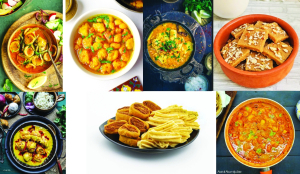
In the central and southern hills where the Aos, Angamis, Chakhesangs, and Rengmas reside, cuisine relies heavily on steaming, boiling, and slow cooking rather than frying. Vegetables, herbs, and wild plants are integral to meals, and dishes are often prepared with minimal spices to preserve natural flavours. The Aos prepare vegetable stews such as pongsen, combining seasonal greens with hara mirch (green chilli) to create a light yet nourishing dish eaten throughout the year. Among the Angamis, galho holds pride of place. This porridge-like dish blends rice, smoked meat, pyaaz (onion), and lai (leafy greens), simmered slowly until the ingredients merge into a comforting whole. Families often prepare galho using freshly harvested greens from home gardens, reflecting the traditional practice of growing vegetables around the household for daily consumption. The Chakhesangs and Rengmas frequently cook yams, pumpkins or beans with fermented bamboo shoots, producing mild but deeply satisfying broths suited to the cool highland climate. In many homes, these preparations are accompanied by boiled vegetables dressed lightly with salt, hara mirch and a dash of mustard oil, creating meals that are wholesome and rooted in the land.
Fermented foods hold a place of pride in Naga kitchens. Akhuni, the fermented soybean paste of the Sumi tribe, is perhaps the most iconic ingredient in Nagaland. Because it is prepared in small batches at home, sun dried, wrapped in leaves and fermented for days, it carries the signature of the household that makes it. Akhuni is cooked with vegetables, smoked fish, or pork to create dishes rich in texture and layered with savoury depth. When braised with pyaaz, adrak, and mirch, it becomes an ideal accompaniment to rice, the customary grain of every Naga meal. Bastenga, fermented bamboo shoot, is another beloved ingredient used across communities. When cooked with yam, pumpkin, or beans, it develops a complex sour flavour that blends perfectly with local vegetables. During the monsoon, a simple dried fish and bastenga stew simmered over gentle heat becomes a staple in many homes, providing nutrition and warmth during the rainy season. Condiments such as crushed mirch mixed with salt, roasted tomato chutneys, or garlic pastes pounded in traditional wooden mortars accompany almost every meal, providing sharpness and contrast to the gentle flavours of boiled vegetables and smoked meats.
Nagaland's vegetarian dishes hold their own charm. The Angamis prepare a simple dish of boiled beans and pumpkin seasoned with adrak and hara mirch, ensuring both nutrition and comfort, especially during the long winter months. The Rengmas often cook yam stems, simmering them gently until tender. In many villages young fern shoots appear with the monsoon and are braised lightly with mustard oil and sesame. Banana stems, local greens, and herbs, often collected from nearby forests, form part of a diverse vegetarian repertoire that changes with the seasons providing delicious options. These dishes confirm a close relationship with the land, where even the simplest produce becomes meaningful through careful preparation and a deep respect for the different seasons of the year.
Rice forms the foundation of everyday diets and appears in many forms. While steamed rice is the norm, festivals feature sticky rice prepared in special ways. During celebrations, sticky rice is sometimes sweetened with gur (jaggery) or infused with herbs before being wrapped in leaves and steamed, filling homes with a gentle, inviting aroma. Traditional rice beers such as zutho (Angami) and thutshe (Sumi) accompany ceremonial feasts. These beverages, produced through slow natural fermentation, are more than simple drinks. They embody communal labour, ancestral knowledge and a sense of togetherness. Their preparation requires understanding the moisture of grains, the warmth of hearths and the timing of fermentation, skills passed down through generations.
In modern Indian cities, traditional Naga food is, not surprisingly, still popular being reimagined in contemporary, restaurant-friendly styles that retain its traditional flavours. Chefs now present classics like smoked pork, bamboo shoot curries and axone-based dishes in refined thali formats, elegant plated portions or inventive fusion creations such as smoked-meat baos and axone pork tacos. Ingredient-driven menus highlight staples like anishi, wild herbs and Naga chillies, taking care to add short cultural narratives to remind diners of their tribal origins. Even traditional beverages like zutho inspire non-alcoholic mocktails that reflect the essence of fermentation without altering its cultural identity. With packaged axone (fermented soya beans), smoked meats and bamboo shoots now available in gourmet food stores, Naga cuisine has transcended rural kitchens to mainstream culinary culture without losing its distinctive identity.
To preserve this culinary tradition, I believe, is not merely an act of remembrance but a commitment to safeguarding an unique identity of the Naga people. The wisdom in smoking, fermenting, and slow cooking reflects nutritional intelligence developed over generations. By valuing and sharing these recipes, future generations inherit not only flavours but a way of life that has been in harmony with nature. In quiet kitchens where steam rises from pots and the scent of bamboo shoots mingle with ginger, the spirit of this beautiful land lives on, inviting the next generation to honour their heritage and keep alive the culture that has sustained them for centuries.
(The writer is Secretary, Cuisine India Society); views are personal