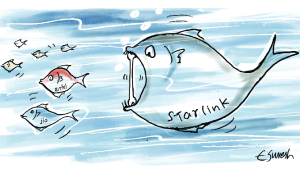
The human cost of an invisible line
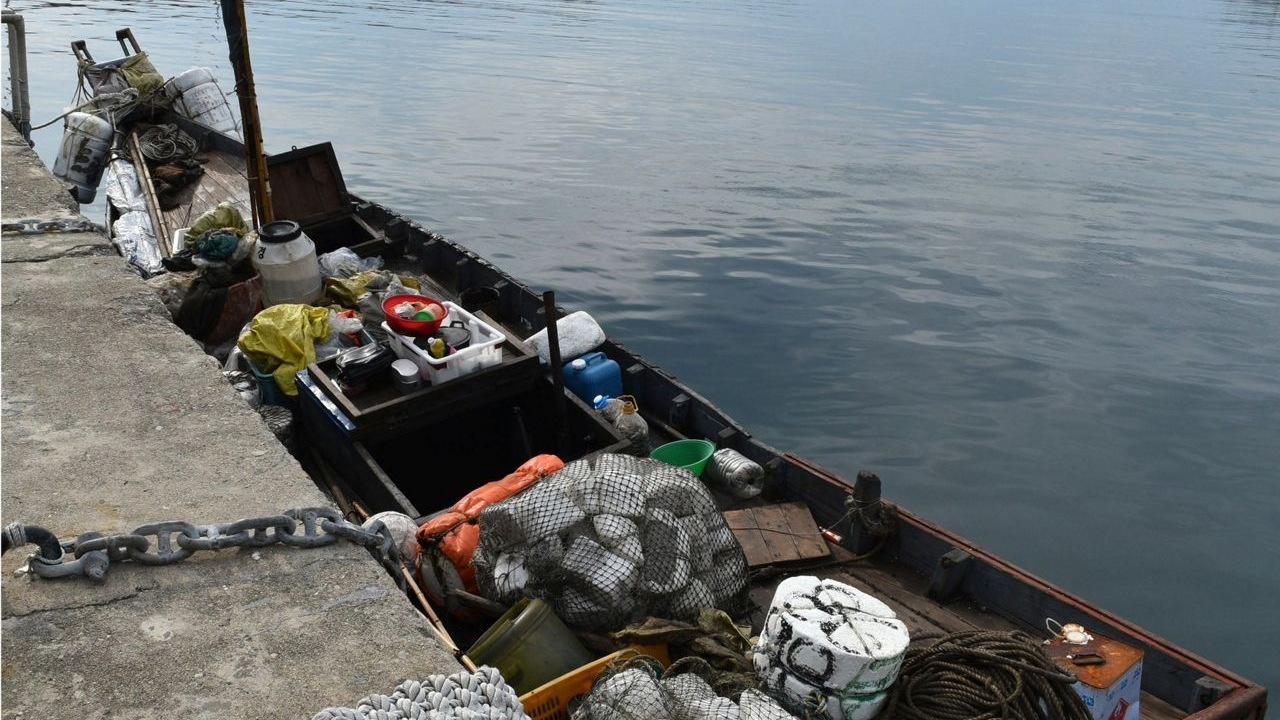
As the world looks forward to the new year enthusiastically and with hope, there are a set of innocent people trapped in jails of India and Pakistan, languishing for years for a rather innocuous crime - crossing the border and being caught for straying into another country. Every year, hundreds of fishermen and people mistakenly cross the border, only to be nabbed and put into jails. Sometimes it is years before they are released; the less fortunate never make it, though they are no security threat, their fate sealed by India-Pakistan hostility and bureaucratic paperwork.
Every year, as India and Pakistan exchange lists of civilian prisoners and fishermen on January 1, under the 2008 Agreement on Consular Access. These lists deal with a disturbing yet avoidable human tragedy. Ordinary fishermen drift across an invisible maritime boundary by mistake. Many civilians stray across land borders, only to languish in foreign prisons for years - often long after their sentences are completed. The latest exchange reveals the scale of the problem. Pakistan has acknowledged 199 Indian fishermen and 58 Indian civil prisoners in its custody, while India holds 33 Pakistani fishermen and 391 civil prisoners. The sad part is that 167 Indian fishermen and civil prisoners in Pakistan have already completed their sentences but are still awaiting repatriation. Everyone knows that they are not hardened criminals or security threats; many are poor fishermen whose lives depend on uncertain seas — faulty navigation equipment, unreliable GPS, compulsions of livelihood and bad luck is all it takes them to land up in jail.
For fishing communities along the Gujarat-Sindh coast, the maritime boundary is not a visible fence but an invisible line drawn on maps. Boats are often small, GPS devices unaffordable, and sudden weather changes common — a wrong turn, an engine failure, or a strong current can push a fisherman into foreign waters within minutes. What follows is far beyond their imagination - arrest, trial under immigration or maritime laws, imprisonment, abhorrent living conditions in jail, and years of separation from families already living on the edge of poverty. While both governments routinely assert that prisoners are treated humanely, prolonged detention after sentence completion exposes serious flaws in the system. Delays in nationality verification - which is often difficult - lack of timely consular access, and bureaucratic inertia add to their misery. Though the exchange of prisoner lists is a confidence-building measure, it is clearly insufficient. What is required is a humanitarian approach. The fishermen who cross maritime boundaries inadvertently should be treated as civil detainees, not criminals, and released through fast-track mechanisms once identity is established. Secondly, consular access must be time-bound. The government must take initiatives to provide reliable GPS devices for fishermen and maritime warning systems to reduce accidental crossings. Fishermen should not become collateral in Indo-pak rivalry. Borders may define nations, but compassion must define humanity.