The Harishchandra of Odisha
It is difficult to define Badri Mishra in a single phrase. In the temple town of Puri he is known as many things—social worker, actor, writer, and community volunteer. Yet the role that has earned him recognition across Odisha and beyond is far more unusual. For decades, Mishra has been known as the “corpse bearer of the masses,” a man who has dedicated his life to ensuring that even the poorest and most abandoned receive a dignified final farewell.
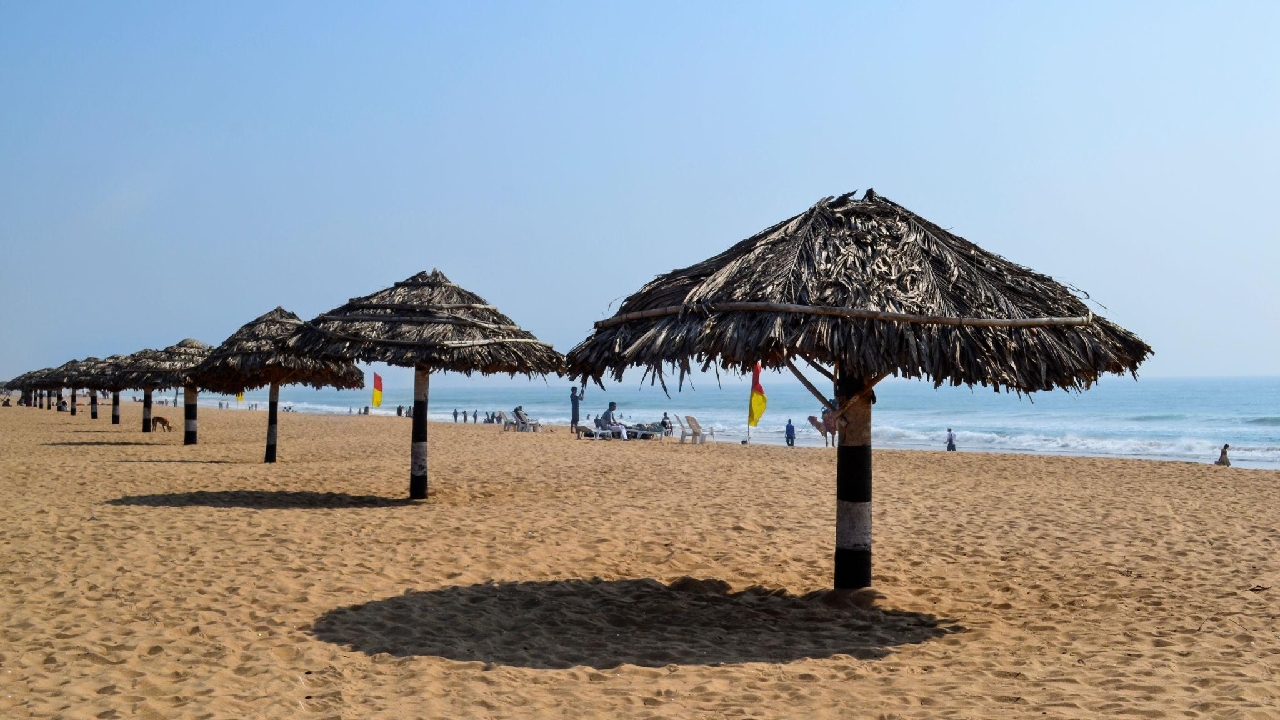
Now 67, Mishra has personally assisted in the cremation of more than 1,385 bodies at Swargadwar, Puri’s famed cremation ground located on the shores of the Bay of Bengal, about two kilometres from the Jagannath Temple. For millions of Hindus, Swargadwar—literally meaning “Gateway to Heaven”—is one of the most sacred places for last rites. It is believed that those cremated here attain moksha, or ultimate salvation. As a result, families from across the country bring the bodies of their loved ones to Puri for their final journey. However, the journey is not always easy, particularly for families from remote villages who arrive without money, local contacts, or knowledge of the procedures required for cremation. This is where Badri Mishra steps in. He helps grieving families with everything—from arranging paperwork and rituals to organising the cremation itself—often at his own expense.”I have never charged any money for the work I do,” Mishra says simply. “My only aim is to ensure that even the abandoned are given a dignified farewell. In my life, I have carried more bodies than some people have carried responsibilities.” His dedication has earned him the title ‘Harishchandra of Odisha.’
Mishra’s life, echoes that spirit of sacrifice and service. His journey into this unusual calling began early. Mishra was just three years old when he witnessed the cremation of his sister at Swargadwar. The memory stayed with him. Years later, in 1974, when a close friend died and no one stepped forward to perform the final rites, Mishra took responsibility. That moment marked the beginning of a lifelong mission. Over the years, Mishra balanced his service with a government job. Eventually, however he devoted himself fully to social work. Armed with little more than a motorcycle, a sacred thread, a towel, and a bottle of Ganga water, he has spent decades rushing to cremation grounds whenever he receives a call. His routine is relentless. He often returns home at 2 A.M. only to leave again before dawn. The family, which includes a son and daughter, has faced financial hardships after he left his government job.
Mishra’s service extends far beyond Swargadwar. He has performed last rites for unidentified accident victims, suicide cases, and disaster casualties whose bodies would otherwise remain unattended. He assisted during the cremation of victims of the devastating 1999 Odisha super cyclone, the 2001 Gujarat earthquake, and the 2015 earthquake in Kathmandu. During the COVID-19 pandemic—when fear kept many indoors—Mishra continued his work without hesitation, helping cremate victims at crematoriums in Bhubaneswar and Cuttack. His extraordinary service has earned him numerous honours, including the Dadhichi Award, the Utkal Ratna, and recognition from the Governor of Odisha. His name has also been recommended for the prestigious Padma awards. In recognition of his humanitarian work, he was invited to the Rashtrapati Bhavan by the President of India, Droupadi Murmu.Even in death, Mishra hopes to continue serving others. He has signed an agreement with SCB Medical College in Cuttack to donate his body for medical research. Inspired by him, more than a hundred people have pledged to donate their bodies as well.
The writer is a veteran journalist and President Press Association; views are personal