The common man in the shadow of war
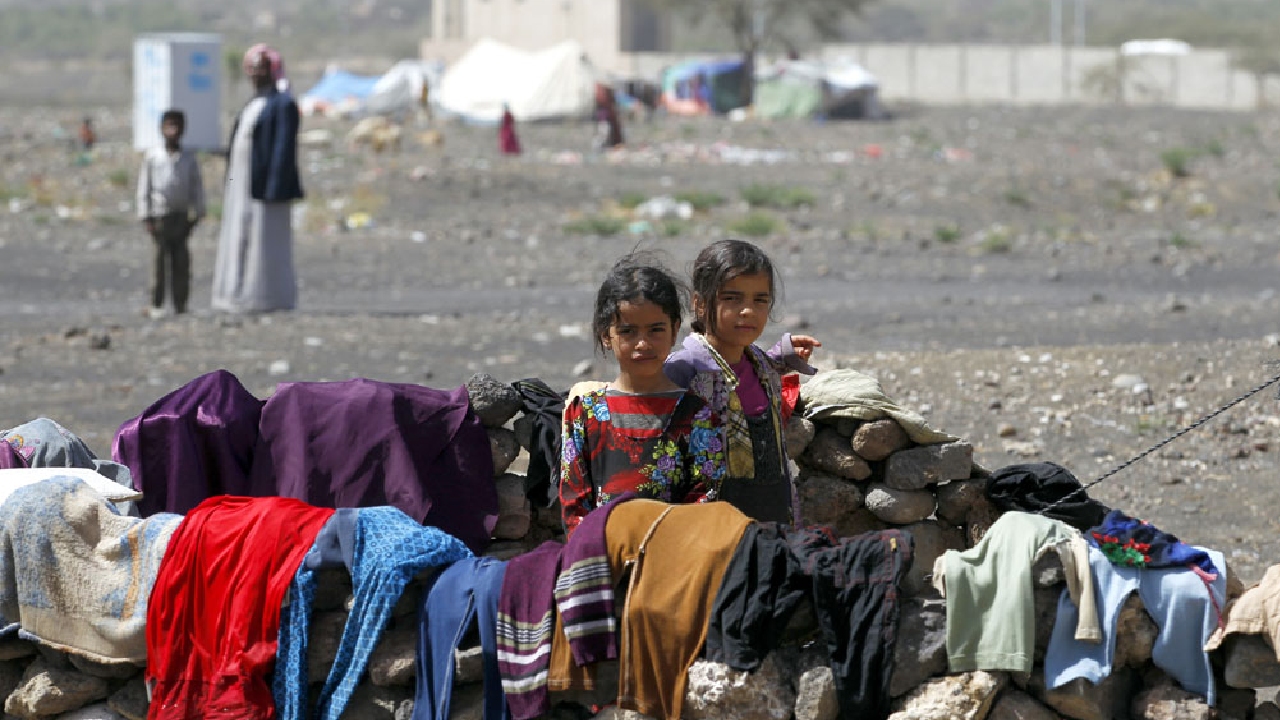
When nations go to war, the language is always lofty - sovereignty, security, honour, strategic dominance. Yet beneath these grand abstractions lies a quieter, harsher truth: it is the common man who pays the heaviest price.
From the rubble-strewn streets of the Gaza Strip to the battered cities of Iran and Kyiv, and from border villages in Israel to displaced communities across Afghanistan and Ukraine, the cost of conflict is counted not in policy briefs but in broken homes. Men, women, and children — shopkeepers, teachers, nurses, drivers - find their lives overturned overnight. The headlines speak of territorial advances and military strategy; the ground reality speaks of funerals, hunger, and exile.
It is worth asking: for whom are these wars fought? If wars are waged for the protection of citizens, why do those very citizens become collateral damage? When leaders declare that a conflict is necessary for national security, do they pause to measure the insecurity it breeds in ordinary households? A father who cannot provide because his factory has been bombed. A mother who stands in a ration line for hours, uncertain whether food will last the week. A child whose classroom has turned into a shelter.
According to global humanitarian agencies, recent conflicts have displaced millions. In the war between Russia and Ukraine alone, millions have fled their homes, seeking refuge in unfamiliar lands. In recent hostilities involving the United States, Israel, and Iran, civilian casualties have mounted at an alarming pace. These are not just statistics; they are interrupted dreams. Livelihood is often the first silent casualty of war. Markets collapse, currencies weaken, and supply chains fracture. The farmer cannot sow. The entrepreneur cannot import raw materials. The daily-wage worker finds no work. Even those far removed from the battlefield feel the tremors — fuel prices rise, food becomes expensive, and economies strain under the weight of military expenditure. Psychological scars linger long after ceasefires are declared.
A generation raised amid sirens and shelling grows up internalising fear as routine. Trauma does not make headlines, but it shapes societies for decades. Children who learn to distinguish the sound of drones from birds inherit a childhood stolen.
One must then question the moral architecture of war. If the end goal is stability and prosperity for the people, can devastation be the means? Leaders deliberate in secure chambers; soldiers fight on the front lines; but it is the common citizen who endures the prolonged aftermath - the rebuilding of homes, the repayment of debts, and the mourning of loved ones.
History shows us that wars may redraw borders, but they also redraw destinies - often for the worse. The common man does not seek conquest; he seeks continuity. He seeks a steady income, education for his children, healthcare for his parents, and peace in his neighbourhood. The world today stands at a crossroads where diplomacy must outpace destruction. The true strength of a nation lies not in the magnitude of its arsenal, but in the well-being of its people. If war is indeed for the people, then their suffering cannot be dismissed as unavoidable. Perhaps the more urgent question is not who will win the next war, but who will heal the ordinary lives shattered by it. Until that question guides policy, the common man will remain the forgotten soldier of every battlefield.
The writer is a freelancer who writes of development, gender and social issues; views are personal