The bio-energetic modulation of winter diets

Winter, according to Ayurveda, is a season when Vata dosha tends to aggravate due to cold, dryness, and stiffness. This imbalance often manifests as joint pain, weakened immunity, and increased vulnerability to respiratory and lung infections. The right winter diet, therefore, functions as preventive medicine-nourishing tissues, strengthening digestion (Agni), and protecting vital organs.
Central to this defence is the use of lipophilic carriers and thermogenic aromatics, integral to classic winter dishes such as ghee-rich moong dal khichdi and til (sesame) ladoo. In moong dal khichdi, ghee acts as a Yogavahi-a catalytic agent that carries nutrients deep into the tissues and bone marrow-while the moong dal and rice offer grounding, easy-to-digest nourishment ideal for Vata balance. In til ladoos, sesame seeds provide essential mineral density and healthy fats, helping prevent the skeletal brittleness commonly associated with Vata aggravation during winter. To safeguard the Prana Vaha Srotas (respiratory channels), Ayurvedic winter meals incorporate immunomodulators such as turmeric and black pepper, prominently featured in remedies like turmeric milk (golden milk). Turmeric helps suppress inflammatory responses, while black pepper enhances curcumin absorption, together strengthening immunity and protecting lung health.
Similarly, ginger — and ajwain-infused soups and stews play a crucial role in winter nutrition. These warming carminatives prevent the stagnation of mucus (Kapha), ensuring pulmonary clarity and reducing susceptibility to colds, coughs, and respiratory congestion. Slow-cooked vegetable soups made with root vegetables such as carrots and sweet potatoes, tempered with spices like cumin, clove, and cinnamon, provide sustained warmth, improved circulation, and digestive support.
By prioritising unctuous foods, slow-cooked preparations, and spiced meals-from moong dal khichdi and til ladoos to turmeric milk and warming soups-Ayurveda transforms everyday nutrition into a preventive biological shield. Such dishes build seasonal resilience from within, protecting joints, strengthening immunity, and safeguarding lung health throughout the cold months.
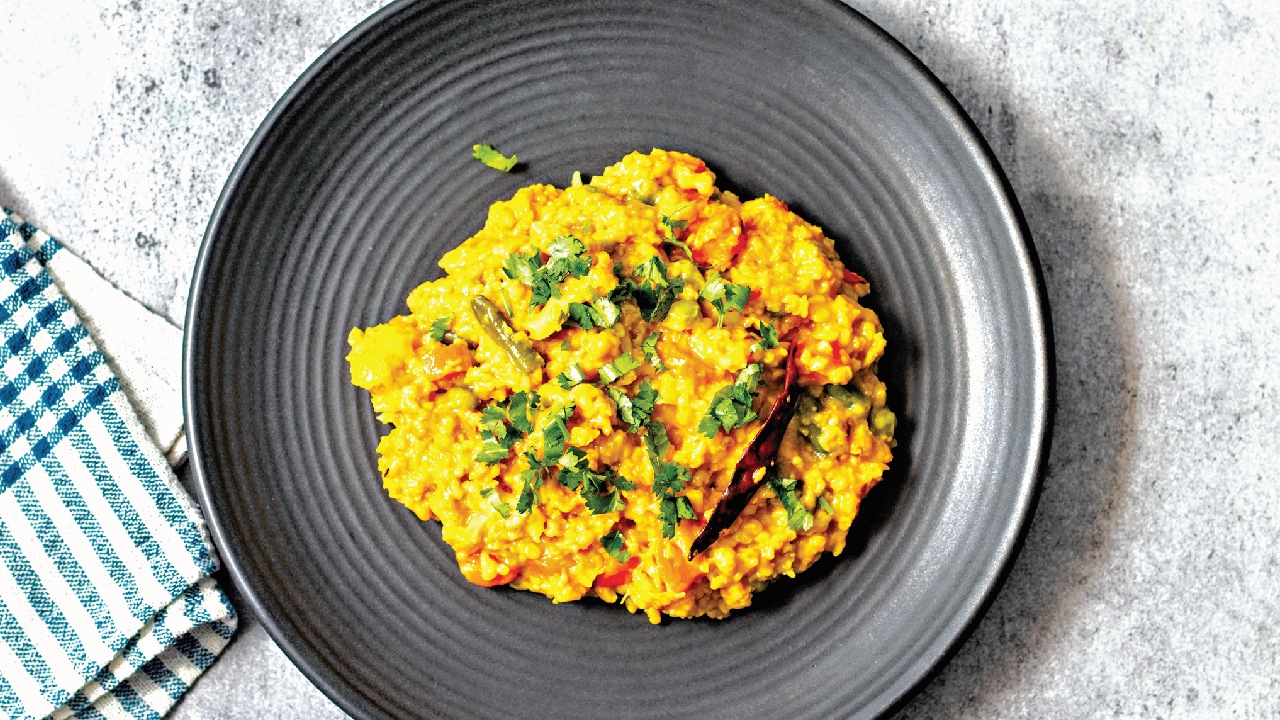
Ghee-Rich Moong Dal Khichdi
Why Ayurveda recommends it: Khichdi is light yet nourishing, easy to digest, and deeply grounding-making it ideal for winter.
Ingredients: Moong dal, rice, ghee, cumin, ginger, turmeric, black pepper
Method (brief): Cook the rice and moong dal together. Temper with ghee, cumin, grated ginger, turmeric, and black pepper. Serve hot.
- Benefits:
- Strengthens digestion (Agni)
- Calms Vata
- Restores energy
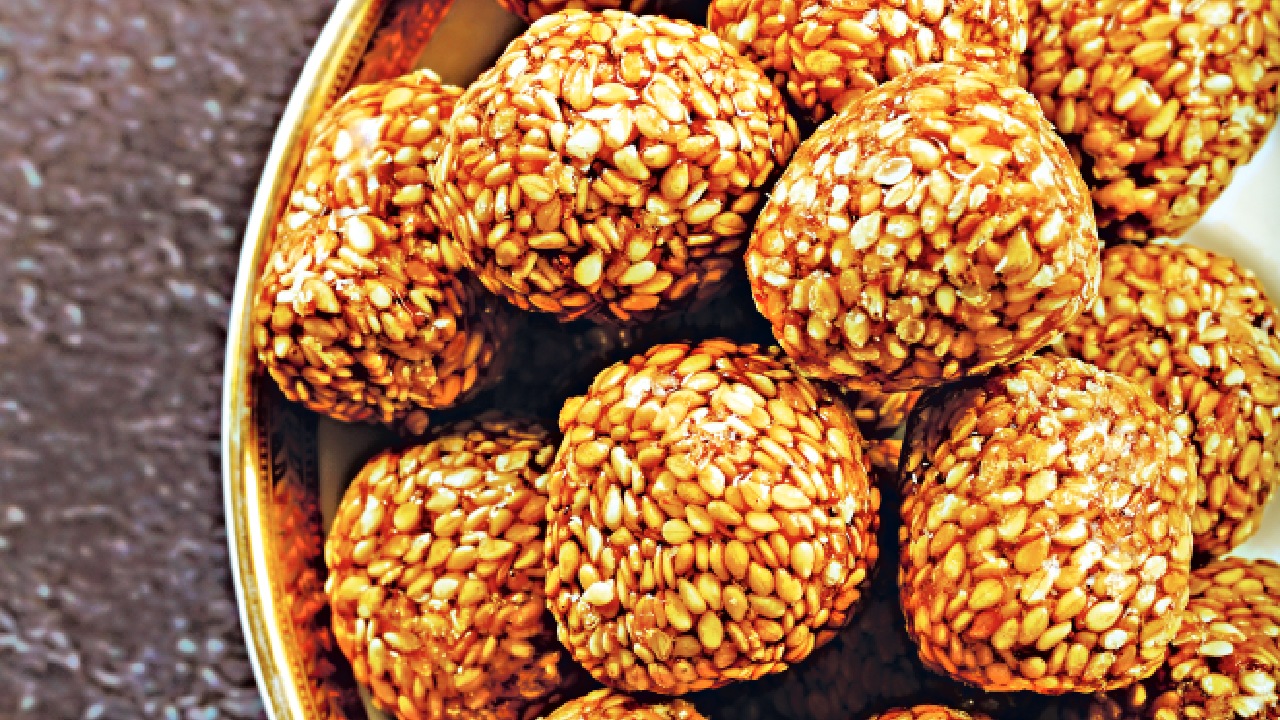
Til (Sesame) Ladoo
Why Ayurveda recommends it: Sesame seeds are warming and oil-rich, making them particularly suited to cold, dry weather.
Ingredients: Black sesame seeds, jaggery, ghee, cardamom
Method: Dry-roast the sesame seeds. Melt the jaggery with a little ghee, mix in the seeds and cardamom, then shape into laddoos.
Benefits:
- Lubricates joints
- Builds strength
- Prevents winter dryness