An Indian Dream Powered by Nari Shakti
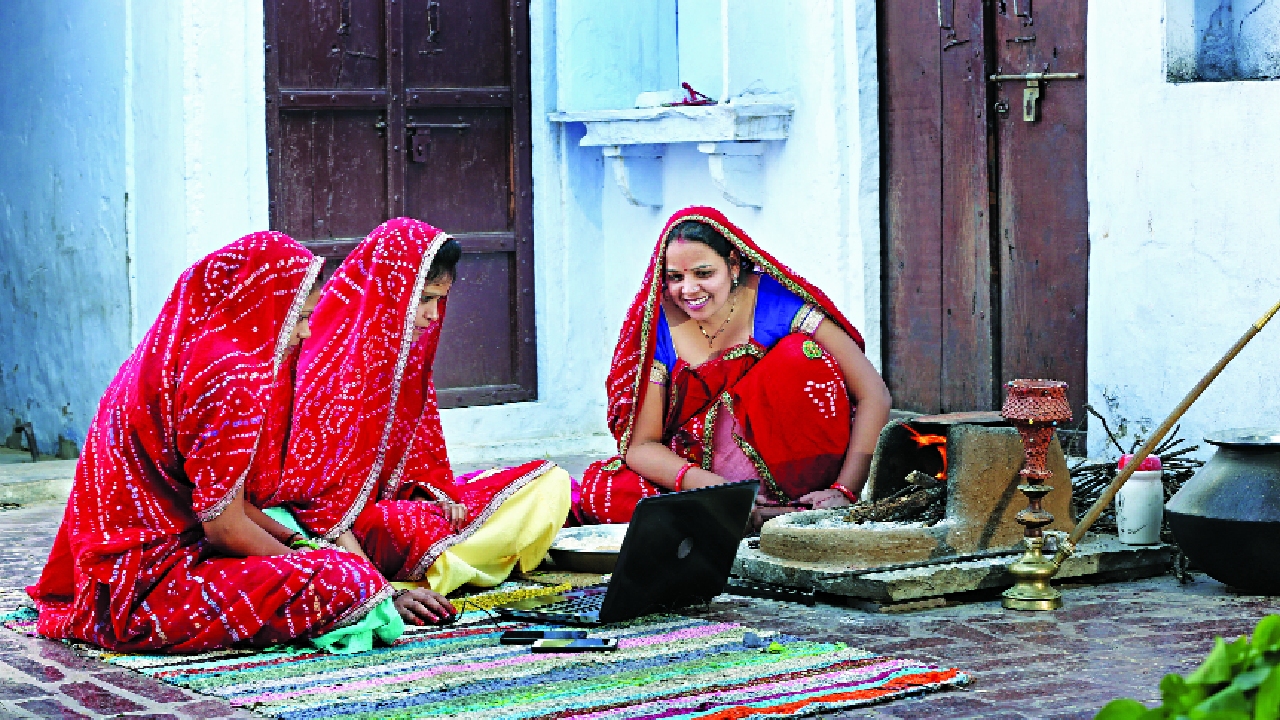
The idea of the Indian dream has changed in the last decade. Today, across villages, towns and cities, women are stepping forward with confidence and becoming equal partners in the country’s growth. Women’s Day is not only about celebrating achievements, but also about recognising how India is creating new opportunities for its daughters to learn, lead and contribute to the nation.
For many women, especially those from middle-class or modest backgrounds, the journey has not always been easy. Education, financial independence and social acceptance were once major challenges. But India is a country where determination and opportunity can transform lives. When families support their daughters and society provides the right environment, women rise with remarkable strength.
My own journey reflects this spirit. I come from a simple middle-class family in Gujarat, where, like millions of Indian households, values such as hard work, discipline and respect for education shaped our lives. Opportunities were limited, but dreams were not. From those humble beginnings, the opportunity to serve the people as a Member of Parliament and later as a Union Minister has been deeply humbling. It reminds me that in India, the daughter of an ordinary family can rise to positions of responsibility and serve the nation.
Across India today, women are excelling in every field and inspiring the next generation. In sports, players like Smriti Mandhana have become icons of modern Indian cricket, while champions such as P. V. Sindhu and Mary Kom have brought immense pride to the nation through their achievements on the global stage. In science and technology, leaders like Tessy Thomas have demonstrated the remarkable contributions of women in strengthening India’s scientific capabilities. In business, entrepreneurs such as Falguni Nayar have built global brands and shown the power of Indian women’s leadership.
These examples represent the confidence and capability of India’s women today. Young girls across the country now grow up believing that their dreams are not limited by their circumstances.
This transformation has been strengthened by policies that place women at the centre of development. Under the leadership of Hon’ble Prime Minister Narendra Modi, women’s empowerment has become a national priority. The focus is not only on welfare but on enabling women to participate actively in India’s economic and social progress.
Several initiatives have contributed to this change. The Beti Bachao Beti Padhao campaign has helped create awareness about the importance of educating the girl child and improving gender balance. The sex ratio at birth, which was 918 girls per 1,000 boys in 2014-15, has improved to around 934 in recent years.
Equally important has been the effort to improve the daily lives of women. Through Pradhan Mantri Ujjwala Yojana, more than 10 crore LPG connections have been provided to households, freeing women from the health hazards of traditional cooking fuels. Programs like Swachh Bharat Mission have led to the construction of over 11 crore toilets across the country, improving dignity, safety and hygiene for women, especially in rural areas.
Financial empowerment has also been a major focus. Under Pradhan Mantri Jan Dhan Yojana, over 50 per cent of the more than 50 crore bank accounts opened belong to women, bringing millions into the formal banking system. Similarly, Mudra Yojana has supported entrepreneurship, with nearly 69 per cent of loans going to women entrepreneurs who are starting small businesses and generating livelihoods.
Schemes such as Sukanya Samriddhi Yojana have also encouraged families to invest in the future of their daughters, with millions of savings accounts opened for girls across the country. At the grassroots level, self-help groups supported by government initiatives have empowered crores of women to build enterprises, strengthen household incomes and become active contributors to the nation’s economy.
Prime Minister Narendra Modi ji has often spoken about the vision of women-led development. This idea recognises that when women lead, the entire society benefits. Families become stronger, communities become more resilient, and the nation moves forward with greater balance and compassion.
Across India today, this change is visible. Women are entrepreneurs, administrators, scientists, farmers and public representatives. In villages, women are managing self-help groups and businesses; in cities, they are leading companies and innovation. Young girls today grow up believing that their dreams are achievable.
Women’s Day therefore, is not just about celebration. It is about reaffirming our commitment to an India where every girl has the opportunity to study, grow and contribute to the nation. The story of modern India is increasingly the story of its women rising with confidence and determination.
As India moves forward towards becoming a developed nation, the strength of our progress will depend greatly on the aspirations and achievements of its women. When India’s daughters dream bigger, the nation itself moves forward with greater energy and purpose. That, in many ways, is the true spirit of the Indian dream.

The journey of women’s rights in India
(1950s-1970s)
1950-The Constitution of India guaranteed equality, non-discrimination, and universal adult franchise.
1955-Hindu Marriage Act introduced legal safeguards in marriage.
1956-Hindu Succession Act improved women’s property rights.
1961-Dowry Prohibition Act outlawed dowry.
Rise of Women’s Movements (1970s-1990s)
Feminist movements highlighted dowry deaths, workplace discrimination, and domestic violence.
1992-93-Constitutional amendments reserved one-third seats for women in Panchayati Raj institutions, boosting grassroots political participation.
21st Century Legal and Social Progress
2005 - Protection of Women from Domestic Violence Act strengthened protection against abuse.
2012 - The 2012 Delhi gang rape case sparked nationwide protests demanding stronger laws.
2013 - Criminal Law (Amendment) Act expanded definitions of sexual crimes and penalties.
2023 - Passage of the Women’s Reservation Bill ensuring 33% reservation for women in Parliament and state legislatures.