The American Interventions that destabilised nations and imposed its hegemony
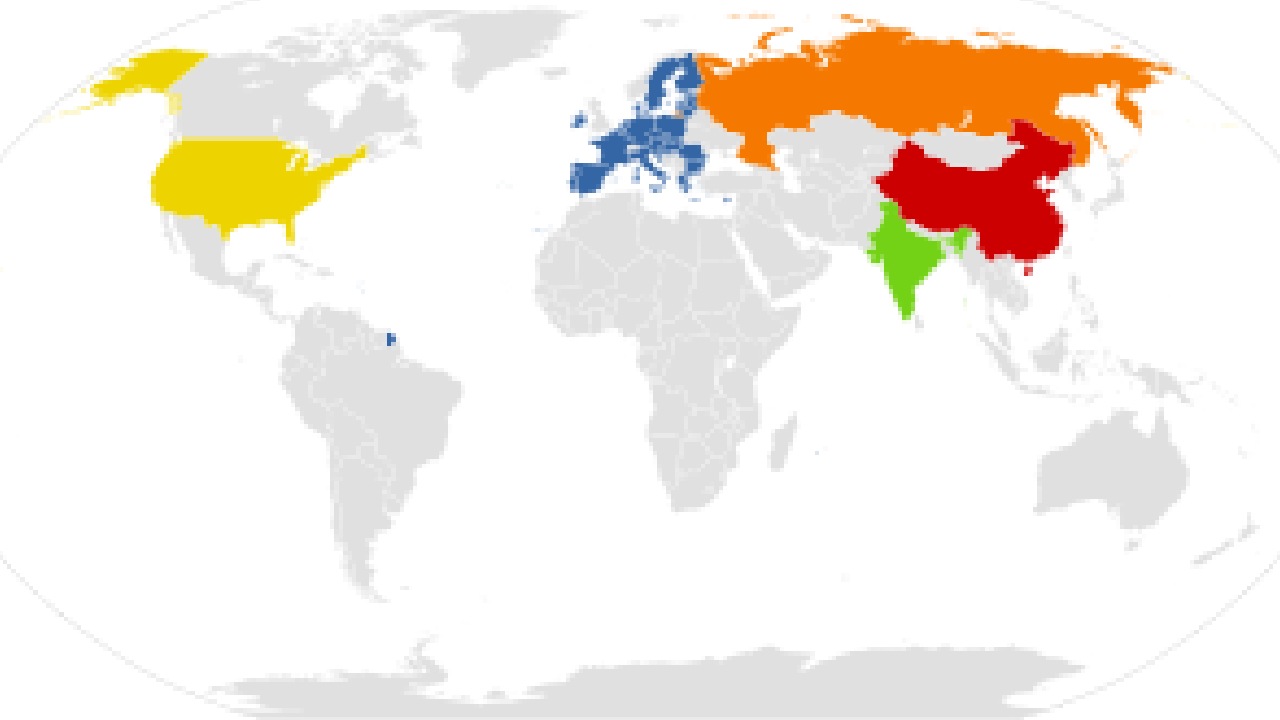
World politics is not governed by laws and public opinion, but by national interests. It is power that decides the conduct of a nation, not its ideology. The Monroe Doctrine provided the ideological basis for such interventions — the United States had to remain a dominant force in the Western Hemisphere, and so it treated the region as its fiefdom. This has been the crux of US foreign diplomacy. For over a century, the United States has intervened in the internal affairs of countries across the globe-changing regimes, meddling in elections,
and imposing sanctions. Across these varied cases — from Cuba and Panama to Iran, Chile, Iraq, and now Venezuela — a consistent pattern emerges: interventions often begin under security, ideological, or economic pretexts, yet result in deep political turmoil, weakened institutions, and enduring misery for the people.
Cuba and the Caribbean
US involvement in the Caribbean began in earnest following the Spanish-American War of 1898. After defeating Spain, the United States established significant influence in Cuba, maintaining a military presence and shaping Cuban politics under the guise of defending Cuban independence. During the Cold War, the US supported covert operations to overthrow Fidel Castro's government — most notably the Bay of Pigs invasion — reflecting deep ideological competition with communism.
Panama (1989): Operation Just Cause
One of the most direct military interventions in Latin America occurred in 1989, when the United States launched Operation Just Cause to remove General Manuel Noriega, then the de facto ruler of Panama. Noriega had previously been a US intelligence asset but was accused of drug trafficking and corruption. US forces invaded, deposed him, and reinstated democratic governance.
Iran (1953 Coup)
In the early Cold War period, the US (through the CIA) and British intelligence engineered a coup to overthrow the democratically elected Prime Minister, Mohammed Mossadegh, after he moved to nationalise Iran’s oil industry. This restored power to the Shah, whose repressive rule eventually fuelled anti-US sentiment and contributed to the 1979 Iranian Revolution, reshaping Middle Eastern geopolitics.
Chile (1973 Coup)
In Chile, the US government covertly supported actions to destabilise the socialist government of Salvador Allende, elected in 1970. Through CIA operations and economic pressure, the groundwork was laid for the 1973 military coup that brought General Augusto Pinochet to power — ushering in years of repression and trauma for Chilean society.
Afghanistan (2001-2021)
After the September 11, 2001 terrorist attacks, the United States invaded Afghanistan to dismantle al-Qaeda and remove the Taliban from power. Two decades of conflict saw profound devastation, political fracturing, and humanitarian crises before US forces ultimately withdrew.
Iraq (2003 Invasion)
The 2003 invasion of Iraq, justified by the US government based on alleged weapons of mass destruction, toppled President Saddam Hussein but unleashed years of sectarian violence, insurgency, and regional instability.
Venezuela (January 2026)
In January 2026, the United States conducted a major military operation in Venezuela, striking targets in Caracas and capturing President Nicolás Maduro and his wife — actions announced by US officials as part of law-enforcement and anti-narcotics objectives. The US administration also stated its intent to temporarily administer Venezuela and control aspects of its oil resources to fund reconstruction and counter narcotics flows — triggering widespread international condemnation as a violation of national sovereignty and international law.