Sonam Losar: The living tradition of The Himalayas
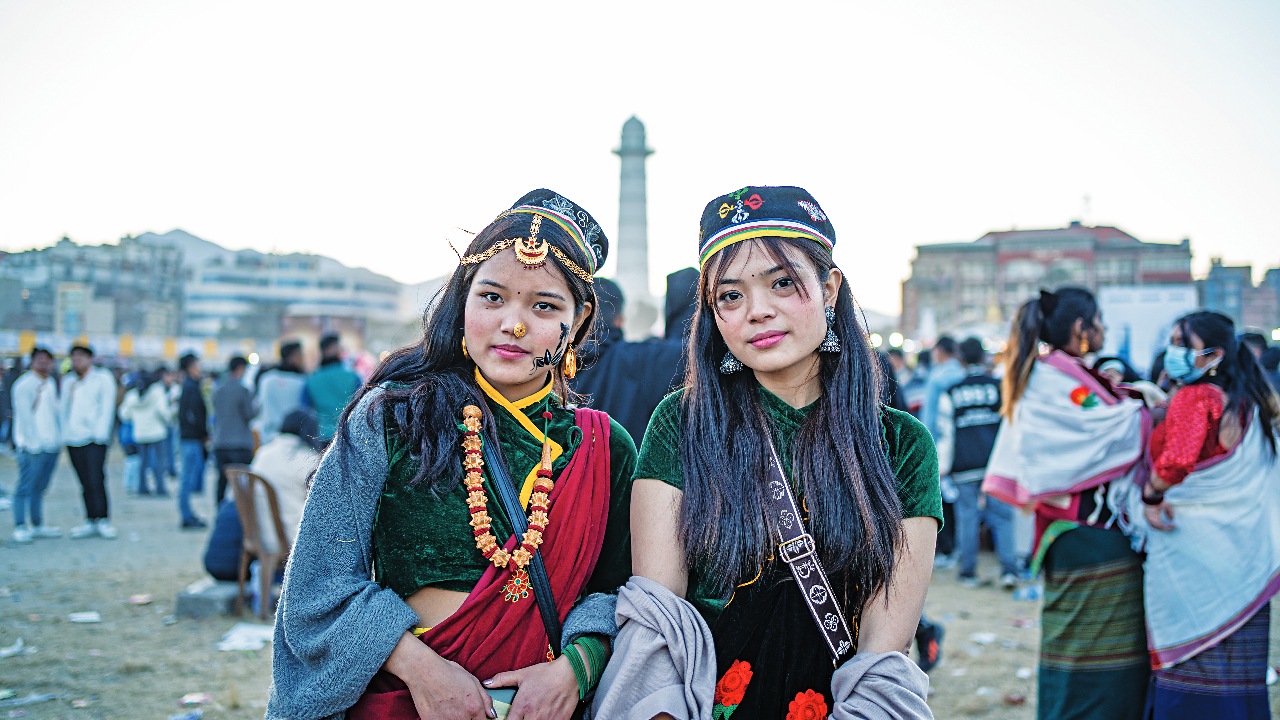
As winter gradually starts showing signs of receding, local inhabitants from India’s Himalayan regions, ready themselves to observe Sonam Losar, a festival to mark the seasonal change representing renewal and continuity. Celebrated in Ladakh, parts of Arunachal Pradesh, Sikkim, and the higher Himalayan regions of Himachal Pradesh, Sonam Losar commemorates the New Year according to the traditional lunar calendar of several Himalayan communities. Falling between mid January and February, (falls on 19th of January this year) the festival presents an occasion to carry forward age-old traditions, ethical conduct, and shared responsibility into the new year.
Sonam Losar is an acknowledgment of perseverance rather than a celebration of abundance. In societies that endure high-altitudes and harsh winter conditions, it marks a moment to pause and reaffirm community bonds defining the idea that change requires patience, preparation, and respect for the cycles of nature. As a result, Sonam Losar is commemorated in a restrained and dignified manner shaped more by reflection and togetherness rather than by extravagant spectacle.
The origins of this festival are deeply rooted in India’s Himalayan civilisational culture. For centuries, communities inhabiting these regions organised their lives around climatic thresholds rather than a fixed calendar. The arrival of the New Year presented an opportunity to offer thanksgiving for what has passed and reorganize life for what is to come. Homes were tidied, old tools made ready for use, livestock shelters repaired, debts settled, and relationships renewed. Rituals were performed to seek protection and to ensure safety and well-being within households and villages.
Ritual observance during Sonam Losar unfolds over several days. Invocations are offered in monasteries, village shrines, and household altars. Prayer flags with spiritual inscriptions are replaced, and new ones hoisted symbolising the renewal of gratitude and the dispersal of goodwill across the land. Masked dances, music, and communal gatherings follow, filling the air with mirth and joy. The severity of another harsh winter is put behind and replaced with a moral and social reset.
In Arunachal Pradesh, Ladakh, and Sikkim, Sonam Losar is marked by region specific ceremonies that emphasise spiritual and moral values that the festival represents . Among the Tamang communities, households begin the New Year with early morning prayers offered to local deities and ancestral guardians, seeking harmony between family, land, and season. Ritual lamps are lit and incense is burned to purify homes, followed by offerings of food and water at household altars. In Ladakh, monasteries conduct special prayer assemblies where chants are recited for peace, health, and agricultural well being, while homes perform protective rituals meant to ward off misfortune. In Sikkim, similar ceremonies are held within monasteries and villages, where prayer flags are changed and symbolic offerings are made to mark the end of the old year and the moral readiness to enter the new one. Across these regions, rituals are conducted in a somber manner showing humility and readiness to enter the next chapter of existence.
One of the most distinctive aspects of Sonam Losar lies in its social significance. Unlike festivals marked by individual ceremonies, Sonam Losar offers a platform for strengthening collective bonds. Entire villages gather together in anticipation and revelry. Elders play a central role in guiding rituals, transmitting oral traditions, and ensuring that customs are followed with discipline rather than improvisation. This intergenerational participation reinforces purity of purpose, ensuring that cultural knowledge is transmitted through experience rather than instruction alone. In environments where survival historically depended on
cooperation, Sonam Losar became a cultural platform to renew trust, social order, and collective accountability that bind families and communities together.
During Sonam Losar, clothing reflects both climate and cultural continuity. Men and women wear traditional woollen robes such as the goncha, often layered over heavy undergarments and secured with wide sashes that are symbolic of the region and made to protect against the cold climatic conditions. Silver jewellery, turquoise ornaments, and embroidered accessories are added by the woman-folk in keeping with the simplicity of the people. This in itself mirrors the festival’s character of simplicity shaped by generations adapting to life high in the Himalayas.
The heart of the festival nevertheless lies in the warm preparations of the domestic kitchens. Long before the festival begins, families get together to prepare an inventory of available foodstuff, dry vegetables and meats, roast grains, and ingredients for use in the festival meals. Such assessments are made for practical purposes rather than anxiety, to determine the availability of resources. Food systems, thus, remain resilient and waste is consciously avoided. The recipes used are rarely written but the processes are well rehearsed and transmitted through observation and repetition, often led by the elders in the family who carry the culinary memory across generations. Younger members learn not only how to cook but when to cook, how much to prepare, and which foods are related to specific rituals and occasions.
Emphasizing an egalitarian society, men and elders assist with grinding grains, storing firewood, and preparing preserved ingredients. Cooking is a collective exercise enjoyed by the whole family rather than considered an arduous task. This ensures that the culinary preparations become an enjoyable family activity and an occasion to transmit to the younger generations the distinctive Himalayan heritage. Cuisine here is not merely a festive spread but a responsibility to be learnt.
Food prepared during these days is nourishing, warming, and naturally seasonal, intended to restore strength after months of cold while preparing the body to the metabolic adjustments required for the change in the seasons. Meals are only consumed after ritual offerings to local deities are completed, affirming the belief that nourishment is inseparable from gratitude and discipline.
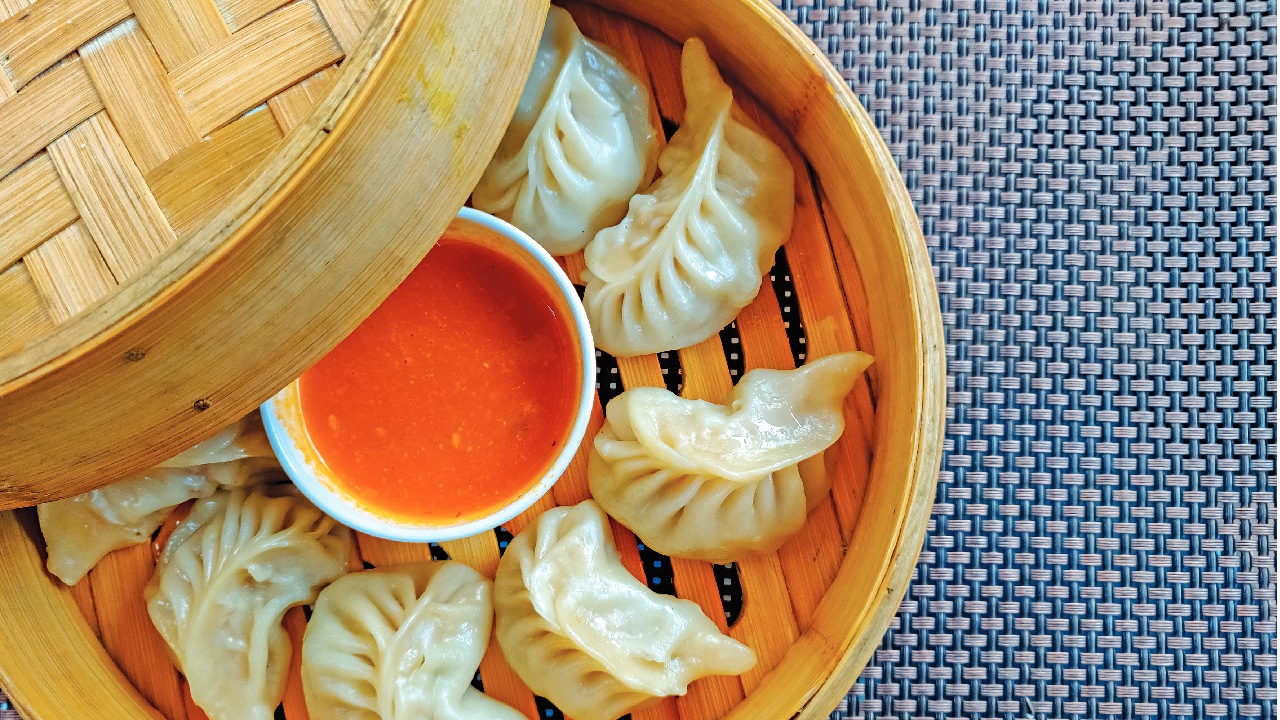
Warm soups and noodle based dishes form the foundation of Sonam Losar meals, particularly during early mornings and evenings. Thukpa, prepared by simmering hand-made wheat noodles in a lightly seasoned vegetable or meat broth, is consumed in the entire region and is often the first shared meal of the New Year. A dash of black pepper adds to its warmth and nourishment. Momos, made by filling thin wheat dough wrappers with minced meat or vegetables and steaming them gently, are prepared in large numbers to serve relatives and neighbours, as generous hospitality is a hallmark of the festivities. Skyu and Chutagi, wheat based pasta dishes slow cooked with root vegetables and mild spices, are eaten during extended family gatherings on subsequent days. Their preparation requires patience and cooperation, but the outcome is well worth the wait.
The cuisine of Ladakh during Sonam Losar, like the rest of the region, reflects a deep reliance on foods that offer nourishment, strength, and longevity. In addition to staple soups and breads, households prepare gur gur cha (often called butter tea) made by churning strong brewed tea with yak butter, salt and water to enhance meals, and sustain energy through long ritual days. Chhurpe based dishes, made using hardened local cheese or dried curd prepared from yak or cow’s milk, and softened in broth, are consumed during prayer intervals. Shabalay, a lightly pan-fried stuffed bread filled with meat or vegetables, is prepared in some homes for festive lunches, offering nourishment without excess. These foods are eaten slowly and deliberately, shared among elders and guests, who are served first, reinforcing the Ladakhi ethic of hospitality and respect for labour.
Breads and staple accompaniments hold equal importance and symbolic weight. Khambir, a dense sourdough flatbread made from naturally fermented wheat flour, is baked in abundance and eaten throughout the festival, particularly during prayer mornings. Tingmo, a soft steamed bread prepared from yeast leavened dough, accompanies soups and stews and symbolises humility and adaptability. In some households, buckwheat pancakes and roasted grain flatbreads are prepared in small quantities, linking the meal directly to local agriculture and seasonal limitations.
Barley, a local produce of the Himalayan region, specially in high altitude areas of Ladakh, Lahaul-Spiti and Sikkim is a staple crop that is widely used in local dishes. Paba, a Ladakhi local bread made from barley, is usually eaten with butter tea or stews of vegetable or meat frequently relished by elders as it is easily digestible and yet healthy. Tsampa, prepared from finely roasted barley flour, is consumed by mixing it with butter tea or warm water during early rituals, reinforcing strength and self-reliance. Barley stews cooked with dried vegetables further emphasise careful resource use and continuity through winter. Chhang, a mildly fermented barley beverage, prepared weeks in advance of the festival, is shared liberally, reinforcing social harmony.
In Arunachal Pradesh and Sikkim, Sonam Losar cuisine reflects common regional agricultural practices through a lighter approach to ritual meals. Tamang households in Arunachal Pradesh prepare simple rice and barley-based dishes paired with fermented greens and seasonal vegetables. Steamed dumplings made with locally grown grains, and filled with a variety of stuffings along with mild vegetable broths, make for a popular meal. In Sikkim, the festival is marked by foods rooted in the region’s Himalayan heritage influenced by Bhutia, Tibetan, Lepcha, and Tamang communities. Dishes such as momos and thukpa are common like the rest of the area. Traditional preparations like phagshapa, made from meat simmered with radish and dried red chillies. gundruk, a fermented preparation of leafy greens like mustard and radish leaves and chhurpi, a fermented cheese made from yak’s milk reflect long-standing practices of fermentation and preservation. Together, these foods underscore a cuisine shaped by climate and seasonality rather than indulgence.
Sweet preparations are mostly reserved for auspicious moments. Dresi, a festive rice dish cooked with butter, sugar, and dried fruits, is prepared on the most significant day of Sonam Losar and consumed at dawn or after the initial rituals. Khapse, deep fried crisp pastries made from wheat flour and lightly sweetened dough, is normally served during tea time in the evenings. Sel roti, a lightly fermented ring shaped rice bread with a mild sweetness, is especially popular among Tamang communities. These sweetened barley or wheat preparations are served to children as a special offering and blessing for success as the New Year begins.
In the Himalayan region, food preservation practices such as sun-drying, smoking, fermenting, and storing grains and meat in naturally cold conditions have been practiced as practical responses to long winters and limited growing seasons. These techniques have been passed down through generations by oral tradition and daily practice with elders teaching youngsters by example especially during these festivals. This ensures food security while reflecting a keen understanding of the sustainable use of resources. The preserved and fermented foods become central in Sonam Losar cuisine more out of necessity rather than preference as the fields are still snow bound.
In contemporary India, Sonam Losar holds growing significance as a reminder of celebrating the conditions that we live in. As Himalayan regions experience rapid social and economic transformation, the festival also serves as an anchor of identity. It reminds younger generations that tradition is not an obstacle to progress but a framework that lends guidance for the future. Culinary participation reconnects them with ancestral knowledge rooted in balance rather than convenience and forms an inherent component of this future.
Festivals such as Sonam Losar, though observed in the high reaches of India’s mountains, serve as cultural reference for the nation as a whole, reflecting and reinforcing its diverse civilisational fabric. They preserve Himalayan heritage by passing down values refined over centuries. It is my belief that recognising and safeguarding the principles embodied in such festivals is a shared responsibility for all of us, ensuring their relevance for future generations. In doing so, I am confident that Sonam Losar will continue to guide communities through changing seasons, carrying forward a legacy shaped by resilience, dignity, and wisdom.
(The writer is Secretary, Cuisine India Society); views are personal