Rescuing citizens from war zones: India’s strategic resolve
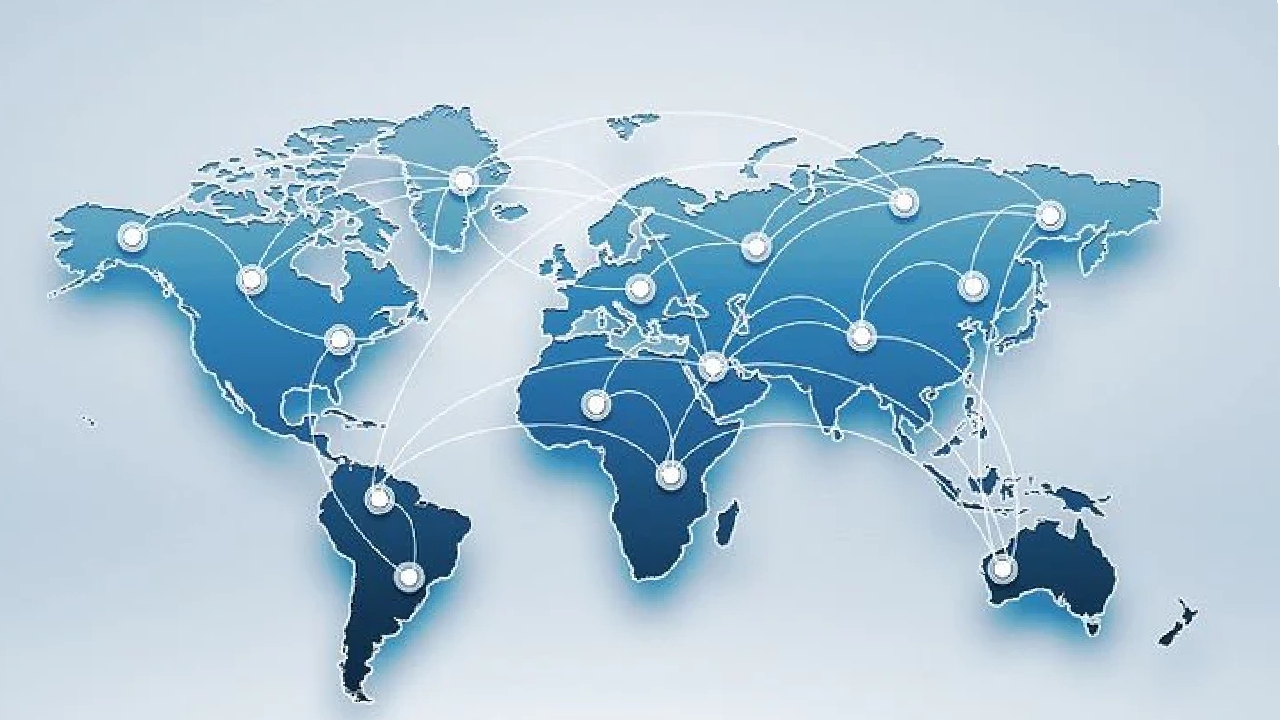
In an increasingly conflict-prone world, the safety of citizens abroad has become a defining test of a nation’s diplomatic strength and governance. For India, home to one of the largest global diasporas, the challenge is both vast and urgent. Whether in West Asia, Europe, or Africa, Indian nationals frequently find themselves caught in volatile situations. In such moments, the role of the government becomes critical, not only in ensuring their safe return but also in reinforcing trust in the nation’s global outreach.
Under the leadership of Narendra Modi, India has demonstrated a more proactive, assertive, and citizen-centric foreign policy. Evacuating Indians from war zones has emerged as a key pillar of this approach, reflecting both humanitarian commitment and strategic capability.
India’s evolving foreign policy framework
India’s foreign policy has undergone a noticeable transformation in the past decade. Traditionally rooted in non-alignment, it has evolved into a model of “multi-alignment” and strategic autonomy. This approach allows India to maintain balanced relations with competing global powers while prioritising national interests.
Prime Minister Narendra Modi has consistently emphasised that “the safety of every Indian, anywhere in the world, is the government’s top priority.” This philosophy has translated into swift and decisive evacuation missions during global crises. India’s diplomatic corps has been empowered to act quickly, negotiate effectively, and coordinate across multiple international stakeholders.
Lessons from recent evacuation missions
India’s recent evacuation efforts underscore its growing efficiency and global standing. Missions such as Operation Ganga, launched during the Russia-Ukraine conflict, successfully brought back thousands of Indian students stranded in war zones. The operation required coordination with Russia, Ukraine, and neighbouring European nations.
Similarly, Operation Devi Shakti highlighted India’s ability to act under extreme uncertainty following the Taliban takeover. Earlier, Operation Rahat showcased India’s capability to conduct large-scale sea evacuations, even assisting citizens from other countries.
These missions reflect a combination of political will, military readiness, and diplomatic finesse - elements that have been strengthened under the current leadership.
Modi doctrine: Citizen-first diplomacy
At the core of India’s evacuation strategy lies what many analysts describe as the “citizen-first” doctrine. This approach prioritises the welfare of Indian nationals above all else, regardless of geopolitical complexities.
Prime Minister Modi’s direct involvement in crisis situations has been a distinguishing feature. High-level monitoring, constant communication with foreign leaders, and real-time decision-making have enabled faster responses. The Ministry of External Affairs, backed by Indian embassies worldwide, plays a central role in executing these directives.
This approach also aligns with India’s broader vision of being a “Vishwaguru” (global leader), where humanitarian responsibility goes hand in hand with strategic interests.
Diplomatic strength and strategic neutrality
India’s ability to evacuate its citizens from war zones is deeply linked to its diplomatic positioning. By maintaining balanced relations with conflicting nations, India often gains access to safe corridors and logistical support.
For instance, during Operation Ganga, India managed to engage constructively with both Russia and Ukraine despite global polarisation. This was possible due to its policy of strategic neutrality, refusing to take rigid sides while advocating dialogue and peace. India’s engagement with global institutions such as the United Nations further strengthens its diplomatic leverage. By promoting peaceful resolutions and humanitarian aid, India builds goodwill that proves crucial during evacuation efforts.
Role of armed forces and logistics
India’s evacuation capabilities are heavily supported by its armed forces. The Indian Air Force has played a pivotal role in airlifting citizens from conflict zones, while the Indian Navy has ensured safe sea routes in high-risk regions.
In addition, partnerships with countries such as Poland, Romania, and Hungary have enabled the establishment of transit hubs, making evacuations more efficient. The use of commercial airlines, special flights, and coordinated land transport reflects a multi-layered logistical strategy that is continuously evolving.
The Modi government has increasingly leveraged technology to enhance crisis response. Digital platforms, real-time tracking systems, and social media have become essential tools for communication and coordination.
Citizens stranded abroad can now access helplines, register their locations, and receive updates instantly. This reduces confusion and ensures better management of large-scale evacuations.
However, greater awareness is needed among citizens to utilise these platforms effectively. Registration with embassies remains a crucial yet underutilised step.
Challenges that persist
Despite significant progress, challenges remain. War zones are inherently unpredictable, with risks such as sudden escalations, infrastructure collapse, and restricted access routes.
Language barriers, lack of documentation, and misinformation can further complicate evacuation efforts. Additionally, coordinating between multiple agencies, both domestic and international, requires seamless integration, which is not always easy.
Financial and logistical constraints also play a role, especially in prolonged conflicts where repeated evacuation efforts may be needed.
The road ahead
To further strengthen its evacuation framework, India must focus on institutionalising its crisis response mechanisms. A dedicated evacuation task force, regular simulation drills, and stronger international partnerships can enhance preparedness.
Public awareness campaigns should encourage Indians travelling abroad to register with embassies and follow official advisories. Investment in advanced technology and infrastructure will also be key to improving response times. Moreover, India can expand its humanitarian role by assisting other nations during crises, thereby reinforcing its global leadership credentials.
Conclusion
In today’s uncertain world, the ability to protect citizens beyond national borders is a hallmark of effective governance. Under Prime Minister Narendra Modi, India has taken significant strides in this direction, combining diplomatic strength with operational efficiency.
Evacuation missions are more than logistical exercises; they are a reflection of a nation’s commitment to its people. As India continues to rise on the global stage, its “citizen-first” foreign policy will remain central to its identity, ensuring that no Indian is left behind, even in the most challenging circumstances.
The writer is a Post-Doctoral Fellow (ICSSR, Ministry of Education), Department of Political Science, Faculty of Social Sciences, Banaras Hindu University, Varanasi ; views are personal