Why India’s children need more than just food
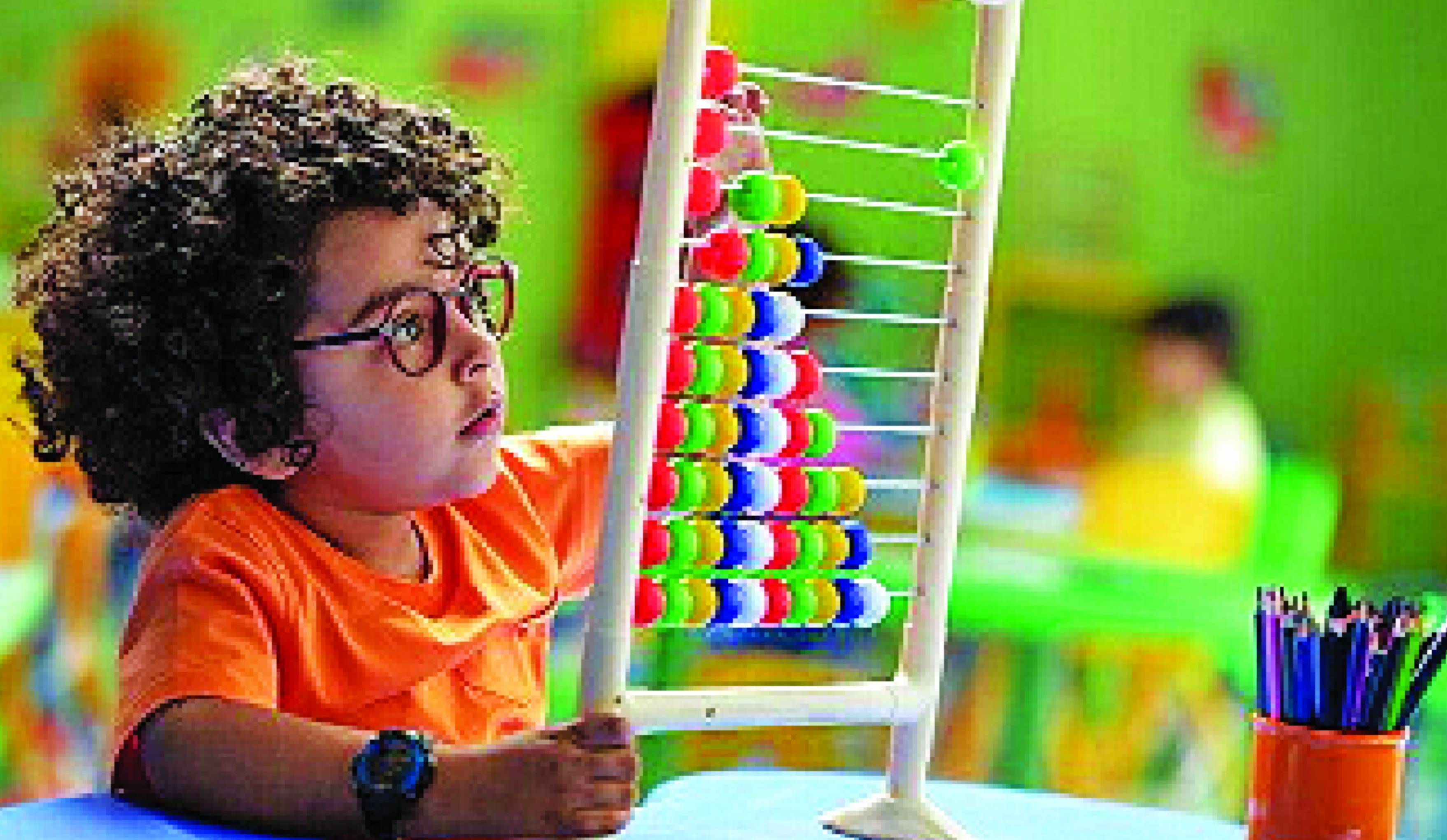
A five-year-old girl was brought to my clinic not long ago. She seemed to be behind on her milestones, slower to speak, less engaged than children her age. Her developmental assessment placed her at the level of a three-year-old. Her mother was concerned.
The child had not been ill. There was no diagnosis to point to. But when we spoke about the previous two years of COVID-19, the picture became clearer: prolonged school closures due to lockdowns, resulting in her spending most of her time at home, screens replacing playtime, and meals being simpler and less varied than before. Her brain, in those quiet years, had not received what it needed to grow. She was not an exception.
Across clinics, paediatricians and developmental specialists were seeing the same pattern: healthy children falling behind. Not because of the virus, but because of everything that came after it. The World Health Organization tells us that 90 per cent of brain development occurs before the age of five, making the early years the single greatest opportunity we have to shape a child’s cognitive, emotional, and social future.
The neural connections formed during this window strengthen learning, language, memory, and resilience for life. Getting nutrition right in this period is one of the most powerful investments we can make. Micronutrients such as iron, zinc, and selenium, often described as neuronutrients, are essential for healthy brain development and function. Yet the data tells us a troubling story. Iron deficiency alone affects approximately 50 per cent of children under five in India (NFHS-5).
Anaemia was recorded in 67.1 per cent of children aged under five, up from the previous survey. Recent evidence, including nationally representative analyses of children aged 12-59 months, found that over 60 per cent had micronutrient deficiencies, with or without anaemia. This points to a far wider nutritional gap than haemoglobin counts alone reveal.
Docosahexaenoic acid (DHA), an omega-3 fatty acid, supports brain architecture, memory formation, and visual development. Choline, another essential nutrient, is now considered essential for brain development.
When mothers consume choline during pregnancy, it supports healthy gene activity, cell structure, and the growth of key brain regions, including those responsible for memory and thinking. These nutrients are not optional additions to a child’s diet; they are foundational to their potential. The most important nutritional intervention in a child’s life begins before birth. Brain development starts in the foetal stage, and a mother’s nutritional status directly shapes the neural foundation her child carries into the world.
DHA supports neural connectivity in utero; iron and folic acid supplementation during pregnancy reduce the risk of low birth weight and developmental delay. Yet only 44 per cent of pregnant women in India consumed iron-folic acid supplements for the recommended 180 or more days (NFHS-5), a gap that represents an enormous and addressable opportunity.
This is why investing in adolescent girls is an investment in the next generation. A well-nourished girl becomes a well-nourished mother, and a well-nourished mother gives her child the best possible start. With 59 per cent of adolescent girls in India anaemic (NFHS-5), prioritising this group through schools, community programmes, and targeted supplementation is one of the most effective interventions in the entire continuum of care.
Although nutrition is important, brain development requires two parallel inputs: nutritional adequacy and emotional-social stimulation. The pandemic illustrated this powerfully. UNICEF estimates that one in seven children globally experienced significant developmental or learning loss during COVID-19, not primarily from illness, but from the withdrawal of peer interaction, conversation, and play. Screens replaced human connection, and language, motor, and social development suffered.
Responsive caregiving, verbal interaction, tactile engagement, and a stimulating environment are neurologically formative and are essential to healthy brain architecture. Early childhood programmes that integrate both nutritional support and developmental stimulation produce outcomes that neither can achieve alone. India’s programme architecture is well placed to act on this.
Programmes like POSHAN Abhiyaan and PM POSHAN already reach millions of mothers and young children across the country. Initiatives like POSHAN Pakhwada demonstrate the power of sustained, community-level mobilisation around nutrition. The delivery architecture, which includes the anganwadi network, the frontline workforce, and community-level reach, is in place. The opportunity now is to deepen what that architecture delivers.
With the right training and support, they can expand their role from tracking physical growth to also guiding parents on early stimulation, responsive caregiving, and child development practices.
Integrating the WHO and UNICEF Nurturing Care Framework, which connects nutrition, health, safety, early learning, and caregiving into a coherent whole, offers a clear and scientific roadmap for this evolution. It moves the goal from simply feeding children to helping them truly thrive.
Nutrition in early childhood is among the highest-return investments a nation can make. When children receive what their developing brains need — the right micronutrients, the right caregiving environment, and the right stimulation - the dividends are lifelong: stronger learners, more productive workers, and a more resilient society.
India has the ambition of Viksit Bharat. It has the systems. It has the science. What this moment calls for is a shared commitment to treating early childhood nutrition not as a welfare line item, but as the foundation on which everything else is built.