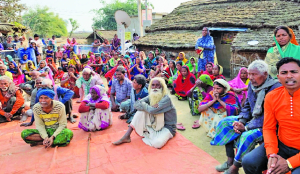
Puducherry’s fight for the 8-hour workday
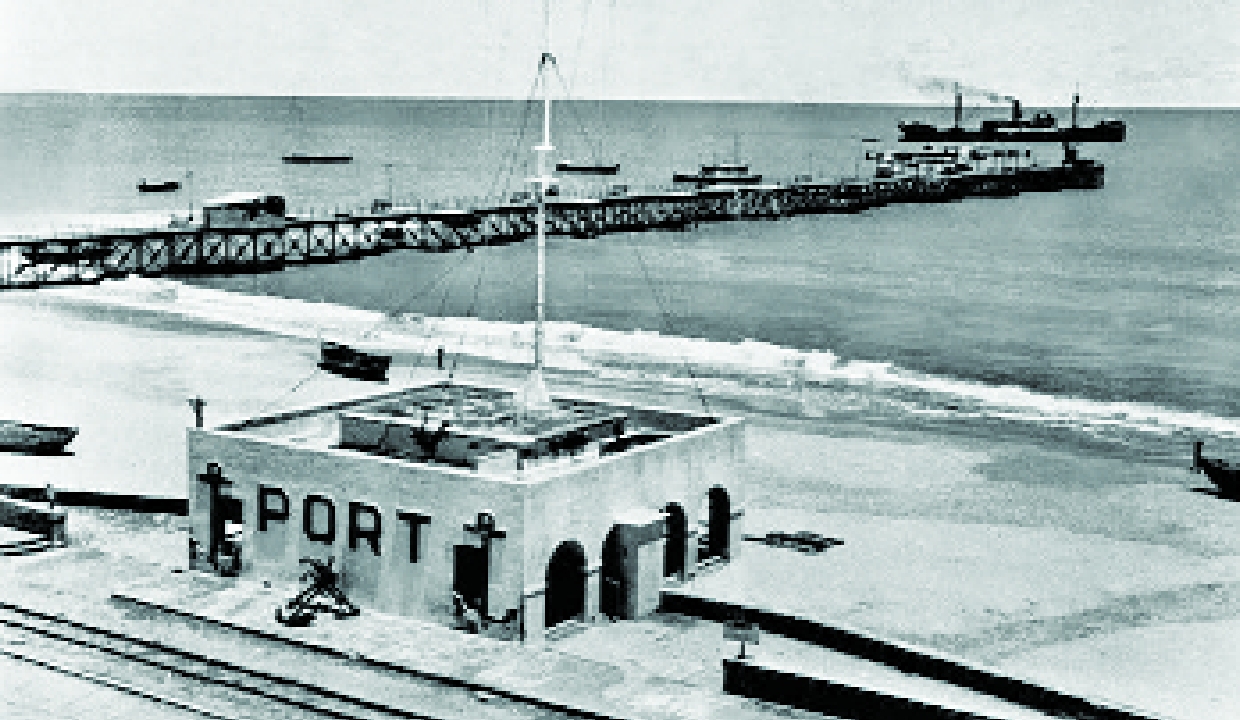
History does not always announce itself with grand monuments or textbook chapters. Sometimes, it hides in a simple roadside statue, quietly watching the world move on. On the Puducherry-Cuddalore Road stands such a reminder — a tribute to workers whose sacrifice gave Asia one of its most important labour rights: the 8-hour workday.
As the 90th anniversary of the Savana Mill Labour Strike is remembered, the spotlight falls on a remarkable truth-Puducherry became the first place in Asia to implement the 8-hour workday in 1937. This was not a gift from rulers. It was earned through courage, unity, and sacrifice. In the 1930s, Puducherry was under French colonial rule.
Textile mills formed the backbone of the local economy. Among them, the Savana Mill stood as a symbol of both industrial growth and human suffering. Workers toiled for nearly 14 hours a day. Wages were painfully low. Working conditions were harsh and exhausting. There were no formal rights, no protections, no voice.
The idea of limiting work to eight hours had already stirred movements in other parts of the world. In Puducherry, it sounded almost impossible. Still, the workers chose to dream-and then to act. On July 30, 1936, the workers of Savana Mill launched a historic strike. Their demands were clear: an 8-hour workday, fair wages, and the right to form unions. This was more than a protest. It was a demand for dignity and recognition as human beings, not just as labouring hands.
The response from the French colonial administration was swift and brutal. Armed forces confronted unarmed workers. Gunfire broke out. Twelve workers lost their lives. The day entered history as a “Black Day” for Puducherry.
Families were shattered. The streets carried the silence of grief and anger. Sacrifice often becomes the turning point of history. The deaths of these workers did not crush the movement. It strengthened it. Public outrage grew. The incident exposed the deep injustice of colonial labour practices. Pressure mounted on the authorities.
The result came within a year. In 1937, Puducherry achieved what no other region in Asia had at the time — the official implementation of the 8-hour workday. This was a landmark moment. It placed Puducherry ahead of many parts of the continent in labour reform. It proved that organised resistance could force even a colonial regime to change its policies.
This achievement carries global significance. The demand for an 8-hour workday had earlier shaken the United States during the Haymarket Affair. Workers there had also faced violence while fighting for the same cause. Puducherry’s victory connected it to this global wave of labour movements. It showed that the spirit of resistance knew no boundaries-geographical or political. The Workers’ Memorial on the Puducherry-Cuddalore Road stands today in honour of those who laid down their lives.
Many pass by without knowing that this place represents a breakthrough for workers across Asia. It is not just a statue. It is a symbol of one of the earliest victories for labour rights on the continent.
The 8-hour workday now feels normal. It shapes daily life across industries. Offices, factories, and institutions follow this rhythm. Behind this normalcy lies a history of struggle. The workers of Puducherry turned an impossible demand into a living reality. This 90th anniversary is not just about remembering the past.
It is about understanding the value of what was achieved. In today’s world, where work patterns are changing rapidly and debates on labour rights continue, the story of Puducherry offers a powerful lesson. Rights are not permanent unless they are protected and remembered.
Puducherry’s place in history deserves wider recognition. It stands as a pioneer in Asia’s labour movement. It reminds us that even under colonial rule, ordinary workers could reshape systems through unity and determination.
The next time one passes that quiet statue on the Puducherry-Cuddalore Road, it is worth pausing for a moment. Those figures represent more than memory. They represent a victory that changed working life across a continent. Eight hours of work. Eight hours of rest. Eight hours to live as human beings. This simple idea became a reality in Puducherry in 1937. And that changed Asia forever.
Conclusion
The victory of Puducherry’s workers did more than shorten the workday — it redefined the relationship between labour and power. It showed that even under colonial rule, organised workers could compel structural change, setting a precedent that echoed across Asia’s emerging labour movements.
The 8-hour day became a foundation for modern labour rights, influencing wage structures, workplace safety norms, and the idea of work-life balance itself. Its implications endure today, as new forms of employment challenge established protections. The lesson is clear: rights are neither automatic nor permanent.
They must be defended, adapted, and renewed. Puducherry’s achievement is not just history — it is a living benchmark for dignity at work.
The writer is Professor Centre for South Asian Studies, School of International Studies & Social Sciences Pondicherry Central University; Views presented are personal.