Nitish bows out as CM: End of an era in Bihar
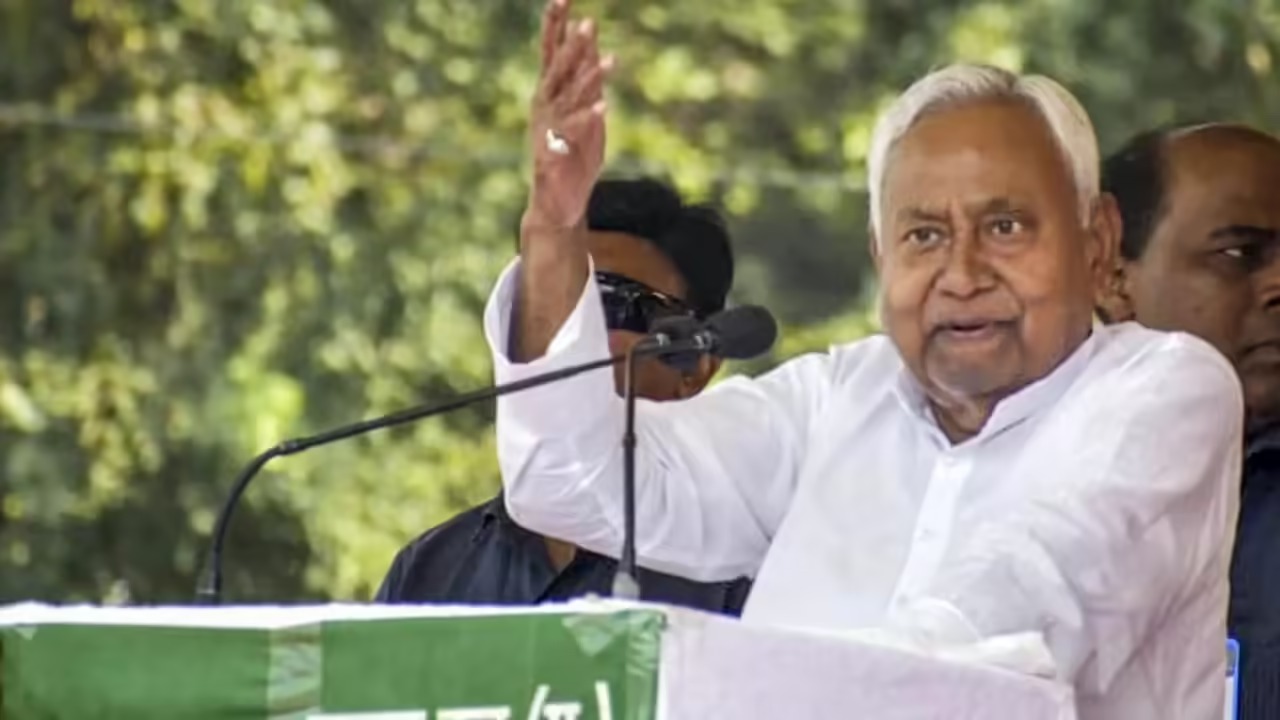
It was expected, but not so soon. The decision of Nitish Kumar to step down as the Bihar chief minister months after he took the oath of office is intriguing. Though he has cited health reasons, and not a retirement from active politics, is not a decision that a political leader of Nitish stature would make without a reason. His decision to move to Rajya Sabha clearly shows that he is not giving up politics but only stepping away from the Bihar politics. Nitish has been a stalwart in Bihar politics as he has been the chief minister of the state ten times.
He joined the JP movement in the 1970s and was influenced by Ram Manohar Lohia, but his political career was more about pragmatism than political ideology. Many times, he sided with parties that he once criticised. He was part of Mahagatbandhan, a group of opposition parties, but left it to join the BJP, the party he had campaigned against for a long time. He had left the BJP in 2013 but returned to it in 2017 and formed a coalition government with him as the chief minister, though his party did not do well.
As a chief minister, he was known for development and restoring law and order in the state, which was known for being an unruly state. His push for infrastructure and social reforms, including a ban on Alcohol in the state, would be remembered for long. For nearly two decades, Kumar has been the central figure in Bihar's governance, steering the state through multiple political alliances. His departure from the state's top executive office now opens a new and uncertain phase in Bihar's politics.In the last Assembly election, Nitish and his allies, including the Bharatiya Janata Party, secured a comfortable majority. It is also possible that Nitish had a pre-poll understanding with the BJP to step down after the coalition won the elections.
His governance model, often emphasising infrastructure development, social welfare and administrative stability, earned him both praise and criticism. While supporters credit him with improving roads, law and order and governance standards, critics argue that Bihar still lags economically and continues to witness large-scale migration for employment.
Whatever the reason for Kumar's departure, now the stage is set for the BJP to become the main party in the state which would have its chief minister and also with Nitish no more in the frame as the only party that would have a chance to consolidate its power in eastern India. But within the JD (U), however, the move has triggered unease. Some party leaders have openly questioned the decision, pointing out that the party sought votes in Kumar's name. Without Kumar at the helm in Patna, the JD (U) may struggle to maintain its independent identity within the alliance. For Nitish Kumar personally, the transition to the Rajya Sabha may represent a gradual withdrawal from active politics. Bihar now stands at a political crossroads. The leadership transition will test whether the governance model built under Kumar can continue without him. It will also determine the evolving power balance between the JD (U) and the BJP within the ruling alliance.