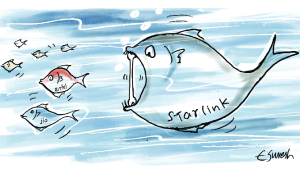
Nicobar island project: Development or ecocide
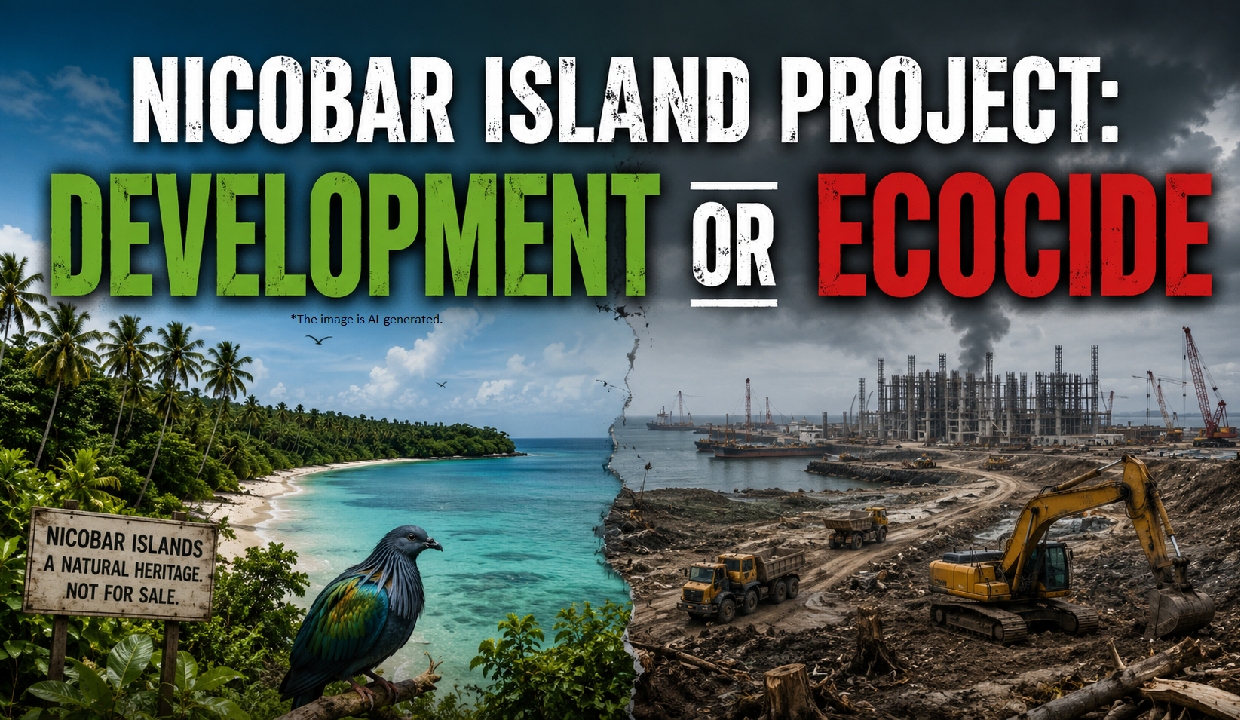
Nicobar, an island of immense ecological value, sits at the crossroads of strategic ambition and environmental recklessness
In the annals of India’s development story, few projects have generated as much heat as the Great Nicobar Island Development Project. Conceived by NITI Aayog in 2021 and fast-tracked through environmental clearances the following year, the Rs 81,000-crore mega-scheme promises a transshipment port, a dual-use military-civil airport, a township, and a power plant on one of the most ecologically sensitive islands on Earth. The government calls it holistic development. Critics call it something closer to ecocide.
The project’s strategic logic is not without merit. Great Nicobar sits at one of the world’s most consequential maritime chokepoints, near the Strait of Malacca, through which a staggering share of global trade passes daily. As the Indo-Pacific becomes an arena of intensifying great-power rivalry, New Delhi’s desire to anchor a strategic and commercial presence here is understandable, even necessary. But strategy does not exempt a government from ecological accountability.
The environmental objections are not fringe concerns. More than seventy independent scientists and experts issued an open letter in late 2025 describing the project as an “exploitative commercial proposal” destructive to rich and diverse ecosystems. The numbers behind their alarm are staggering: approximately 9.6 lakh trees across 130 square kilometres of prehistoric tropical rainforest are slated for felling. Coral reefs, nesting grounds for giant leatherback turtles, and some of the world’s last pristine island biospheres hang in the balance. When the Union Ministry of Environment defended the project before the National Green Tribunal in October 2025, it claimed full awareness of biodiversity impacts and a mitigation plan, but offered no satisfying answers as to what those mitigations actually entail. The human cost is no less troubling. The Shompen, one of India’s most isolated and vulnerable indigenous communities, number fewer than 300 individuals. Their homeland lies directly within the project’s footprint. The Nicobarese Tribal Council has alleged that community consent was falsely certified by authorities — a charge that, if true, would represent not just a legal violation but a moral failure on the part of the government. Experts warn that seismic tremors near the islands could signal volcanic activity. Great Nicobar sits in one of the most tectonically active zones on the planet - the same fault line that produced the catastrophic 2004 tsunami. Building a city intended to house hundreds of thousands of people atop this zone is not bold ambition. It is a recipe for disaster.
Nevertheless, the government’s urgency is understandable. China’s expanding naval reach and port investments across the Indian Ocean have understandably alarmed New Delhi.
What India must do is strike a balance: achieve its strategic objectives with minimal intervention, not an overhaul of the entire island. A genuinely independent environmental review, real and verifiable consent from the Shompen and Nicobarese communities, and a transparent assessment of seismic risk are the minimum conditions for the project to proceed. Great Nicobar’s ecosystems, once destroyed, cannot be rebuilt. The island is a living system that the world cannot afford to lose.