LPG price hike: Another blow to the common man
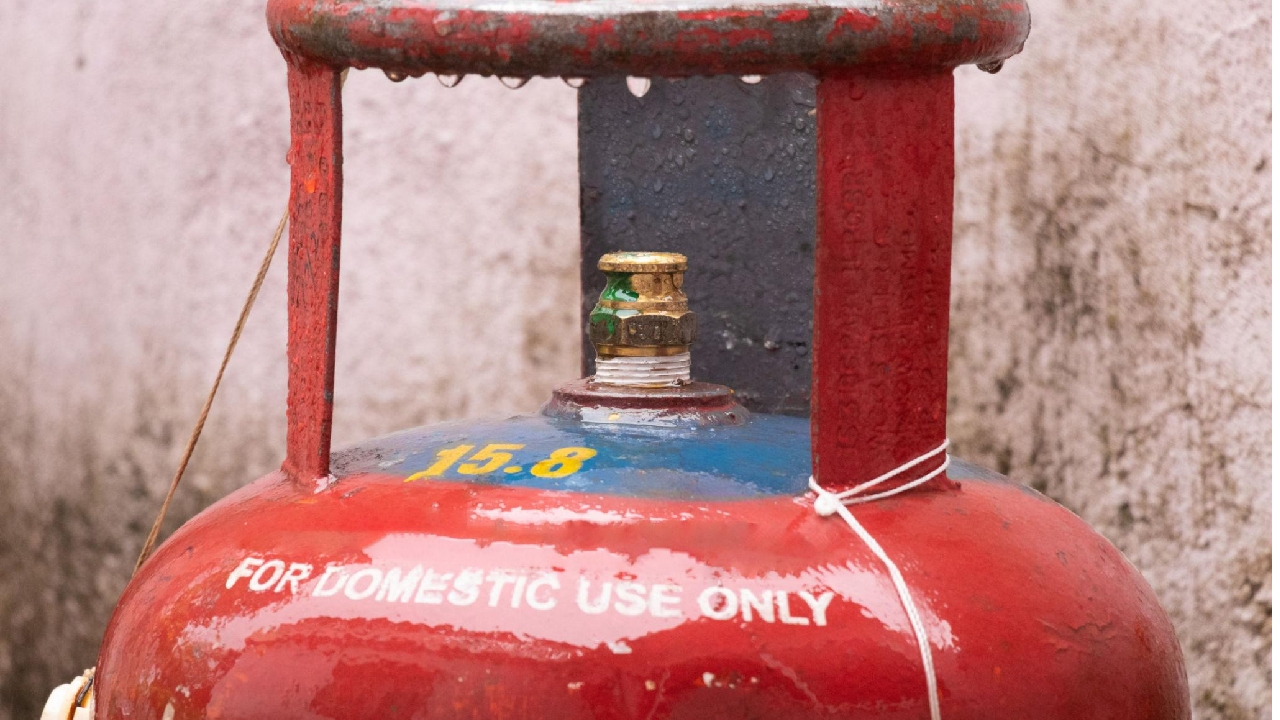
Whenever the price of an essential items rise, the common man has to recalibrate his life to it and readjust his budget. Such increases, even incremental, reduce the spending capacity of ordinary families. Liquefied Petroleum Gas (LPG) cylinders, now widely used across urban and rural India — including by beneficiaries of the Ujjwala Scheme — have become a basic household energy requirement. Even a modest increase in LPG prices can trigger widespread resentment, as it forces families to readjust their already tight budgets. The price hike is not only real but also psychological. For many households, and they are in millions, a few extra rupees spent on a cylinder often means cutting down on other small but essential purchases, thereby further straining their daily lives.
The recent decision to increase the price of domestic LPG cylinders by `60 has once again placed the spotlight on the growing financial pressure faced by ordinary Indian households. It may like small for a middle or upper middle class person, but for daily wagers, small vendors, domestic workers and marginal farmers, it is substantial as they survive on uncertain incomes that barely cover food, rent, school fees and transport. Their monthly calculations are delicate and precise. A few hundred rupees saved on fuel may mean vegetables for a week, medicines for an elderly parent, or a notebook for a child going to school. And it is not just the LPG he has to worry about. The prices of vegetables, eatables, and commuting all are going up, and when the price of cooking gas, which is deemed fixed, goes up, he is visibly distraught. Understandably, the hike has drawn sharp criticism from opposition parties and consumer groups alike.
While the government has cited global price movements as justification, the timing and necessity of this decision is debatable. The primary reason given for the hike is the rise in the Saudi Contract Price (CP), the international benchmark that determines the cost of LPG imports for India. However, such explanations offer little comfort to the millions of households that rely on LPG as an essential daily fuel.
For the common man, the cumulative effect of repeated price increases across sectors is what truly matters. With energy stocks reportedly at comfortable levels, critics say the authorities had the fiscal space to delay the increase rather than pass the burden immediately to consumers. For now, the beneficiaries of the Pradhan Mantri Ujjwala Yojana remain exempt from increases through continued subsidy support, but a large number of middle-class and lower-middle-class families fall outside this safety net. No denying the fact that the ongoing Iran war has introduced fresh uncertainty into global energy markets and will affect India’s import bill. But at the same time, let us not forget that India purchased Russian crude oil at a subsidised rate but that was never passed to the end consumer by the Government. Energy pricing is always a delicate balancing act between fiscal prudence and social responsibility. In the present circumstances, the balance has tilted away from the interests of the common citizen.