Is fear driving the world order?
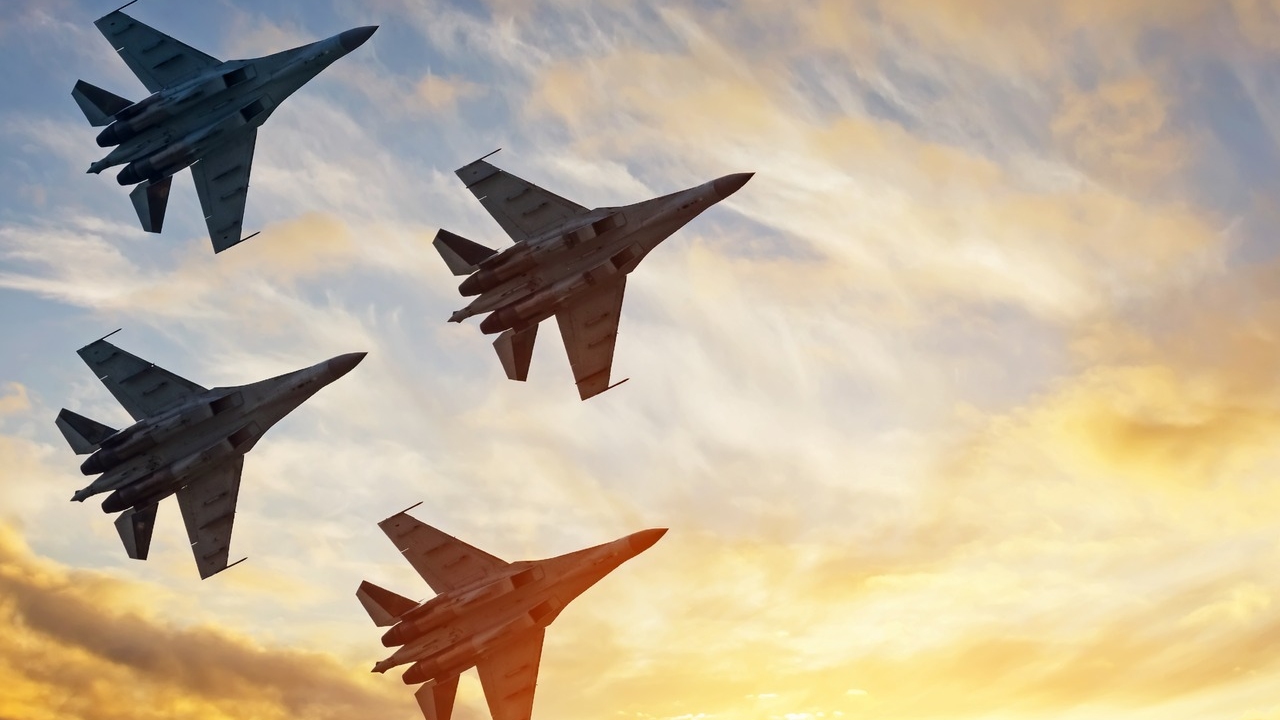
The air during the past few days has been heavy with tension and unease, with several regions witnessing rising geopolitical strain and strategic posturing. Visuals of escalating military movements, political warnings, and media debates have stirred memories of past conflicts. The whole world watched in shock as visuals emerged of missiles being fired from both sides of the region. There were a lot of deliberations among nations who were in support of this attack as well as among nations who were against this attack. However, the fact remains that the entire world lives under the shadow of nuclear threat, and this compels every nation to build up heavy stocks of weapons of mass destruction in the name of self-defence and security.In the present world many people consider survival and security as prime values. They argue that if a person does not survive, then what value the other values have for him. In a similar vein, they further argue that if a person lives in a state of constant insecurity and fear, then what is the charm, the joy, the fun or the zest in living? Because the quality of life of a man in fear is like that of a man in a state of suspended animation and it’s not at all cherishable, relishable, enjoyable or valuable. On the other hand there are other people who question the contention of the former kind of people.
The questions they raise are that ‘after all what is the purpose of survival?’ & ‘what is the goal of life?’. Further they ask ‘what do we want to achieve by living or while living?’. They argue that the difference between a human being and an animal is narrowed down to zero if man also, like other animals, is concerned primarily and mainly about his physical survival only. They feel that there should be some higher and nobler aim of human existence & that there should be something more worthy for humans to be achieved. Arguing thus, they ask: If personal survival is the main value, then why do military men endanger their own survival or sacrifice their life at the battle-front in order to keep intact the sovereignty of the nation? Again, why did the heroes of Indian Freedom Struggle happily embrace death for the sake of independence of their motherland?
Why did kings in the olden times, give up their palaces and bodyguards and go to the forest in pursuit of truth, endangering their life, knowing well that there were tigers and lions there? With these questions in mind, they further argue that why should man have fear if he has moral and spiritual strength and has good relations with all the human beings? Because fear, they assert, arises from guilt-consciousness, suspicion or enmity. So, man should be free from these negativities rather than have additional negative tendencies or emotion, namely fear because one’s survival should normally be an assured thing if one’s actions are in harmony with other beings, with the environment and with the moral and physical laws.
Each one of us must understand that our life and death, or survival and happiness, are governed by the law of karma. If our karma is good, why should we fear? Death will come to all one day, so there is no reason to live in fear. The world remains peaceless because mankind has not realised that the race for military power, weapons and domination of others is driven by religious bigotry, greed for power and revenge. Man forgets that the power of arms or money, without the power to control one’s own mind and senses, leads only to turmoil.
Lasting happiness depends not on dominating others but on mastering one’s own negative traits. If man does not destroy the demons of hate, anger and war with love and brotherhood, those demons will ultimately destroy mankind.
The writer is a spiritual teacher and a popular columnist; views are personal