Iran — A history of revolution, resilience, and the struggle for change
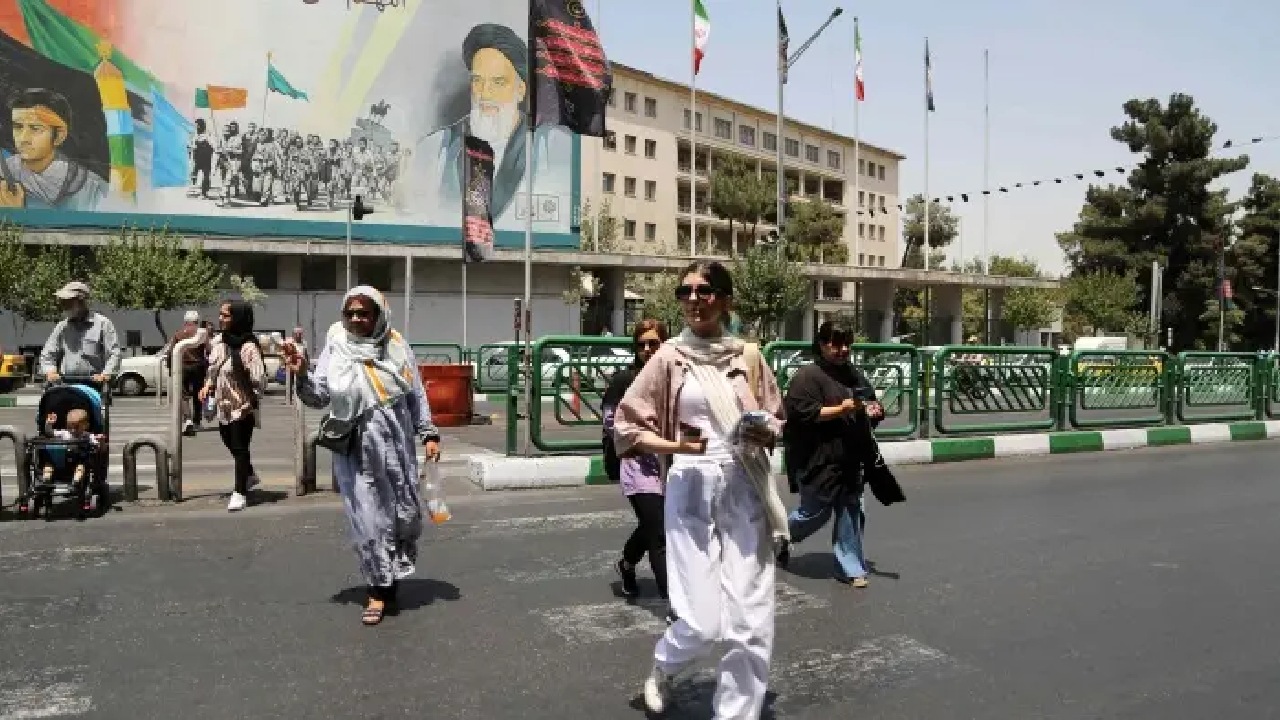
Iran’s contemporary history is marred by periods of unrest and crisis as well as continuous growth and strides in nation-building. It overthrew the US-backed monarchy in 1979 to establish a revolutionary Islamic Republic. Thereafter, it maintained an anti-West stance, braving sanctions and isolation on the world arena to date. The overthrow of the Shah in 1979 was indeed a turning point in the political history of Iran. Here is a brief contemporary history of Iran.
1970s - Growing Discontent and Revolution
- Shah’s rule and modernisation: In the early 1970s Iran under Shah Mohammad Reza Pahlavi pursued rapid modernisation and economic growth reliant on oil revenues, but also suffered rising inflation, inequality, and political repression.
- Widespread opposition: By the late 1970s, protests against the Shah’s authoritarian rule, corruption, and Western influence intensified.
- Islamic Revolution (1978-79): Mass demonstrations, strikes, and civil resistance culminated in the Shah’s departure in January 1979 and the fall of the monarchy. Ayatollah Ruhollah Khomeini returned from exile.
Early 1980s - The Islamic Republic is born
- New theocracy formed: The revolutionary government consolidated power, adopting a theocratic constitution with the Supreme Leader as the highest authority.
- Political repression: Rival political groups - leftists, liberals, and others — were purged, and thousands were executed in state-sponsored campaigns to eliminate opposition.
- Hostage crisis: In November 1979, Iranian students seized the US embassy in Tehran, holding diplomats hostage for 444 days, which severely damaged Iran-US relations.
1980s - Iran-Iraq War
War with Iraq (1980-1988): Iraq President Saddam Hussein invaded Iran soon after the revolution, leading to a devastating eight-year conflict with massive casualties and economic strain.
1990s - Recovery and Reform Movements
Reconstruction and politics: After the war, Iran focused on reconstruction. President Mohammad Khatami (1997-2005) pushed for political reforms, civil society, and a ‘Dialogue Among Civilisations.’
2000s - Conservatism and Nuclear Tensions
- Political polarisation: Hardliners regained influence under President Mahmoud Ahmadinejad (2005-2013), intensifying confrontations with the West over Iran’s nuclear program.
- Green Movement (2009): Large protests erupted after contested presidential elections, demanding democratic reforms.
2010s - Sanctions, and Renewed Unrest
- Economic pressures: Harsh US sanctions linked to Iran’s nuclear activities deeply affected the economy.
- Social protests: Between 2017 and 2019, Iran saw widespread protests over economic hardship.
2020s - Current State
- Mahsa Amini protests (2022-23): The death in custody of a young woman branded for ‘improper hijab’ ignited nationwide protests demanding freedom.
- 2024 Presidential Election: Independent reformist Masoud Pezeshkian won the June-July 2024 election following the death of Ebrahim Raisi.
- 2025-26 unrest and crackdown: Since late 2025, large protests driven by economic decline, currency collapse, and wider discontent against the regime have erupted across the country. The government’s brutal suppression has caused thousands of deaths and mass arrests.