Flavours of Jharkhand: Where forest, faith and food converge
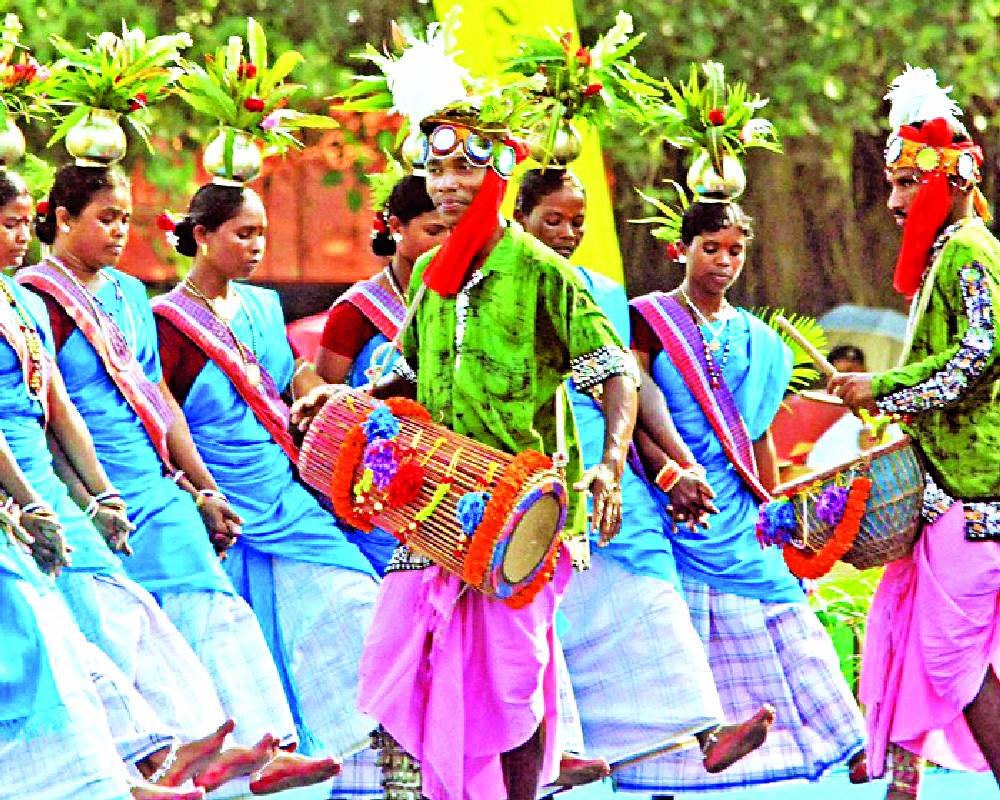
In the eastern reaches of India lies Jharkhand, a land shaped by the vast contours of the Chota Nagpur Plateau and the rolling Santhal Pargana, where granite ridges, forested hills and meandering rivers create a fascinating landscape. The arrival of the monsoon season governs the rhythm of this land, from sowing to harvest, from festivals to celebration. Known as the “land of treasures”, Jharkhand is a tapestry of sal and teak groves, iron-rich valleys, and rivers like the Subarnarekha and Koel that nourish both people and plains. Although the state was formally created on November 15, 2000, its soul is ancient, embellished with rich traditions of tribal communities whose music, artistry, and food reflect a harmony between human life and nature. The people, grounded yet resilient, have built a legacy that is recognised for its culture and cuisine, which is earthy, honest, and deeply tied to the land.
The earliest stories of Jharkhand trace back to the Mesolithic and Chalcolithic periods when early inhabitants are known to have shaped microliths and copper tools to tame forests, clear land and till the soil. In the Vedic age, the region lay on the eastern periphery of Magadha where the use of iron tools transformed the landscape into fertile farmlands. As centuries unfolded, the Nagvanshi dynasty, claiming descent from the Nagas, the semi divine serpent beings of Indian mythology, consolidated rule over the Chota Nagpur plateau, building temples, tanks and forts amidst dense forests. These forests supplied elephants, timber, and lac to neighbouring kingdoms, forming a vital trade network. Later, the Mughal Empire extended loose control over the area, but the rugged terrain ensured local autonomy. When the British arrived, they mined the land and taxed the forests, provoking waves of tribal resistance. The uprisings led by Tilka Manjhi, Birsa Munda, and Sidho-Kanho became legends of defiance, asserting both identity and dignity. The movement for a separate state grew from these roots of self-determination, culminating in the creation of Jharkhand, a recognition of a civilisation whose culture, ruggedness, and food long predated its borders.
The spiritual fabric of Jharkhand reflects this continuity between land and life. Hinduism, Jainism, and tribal faiths coexist in peaceful equilibrium and harmony. The Parasnath Hill, or Shikharji, stands among India’s most sacred Jain pilgrimages, while rivers like the Swarnarekha, meaning “streak of gold”, hold divine status and host festivals like Chhath Puja and Makar Sankranti. While temples dedicated to Surya, Shiva, and Durga dot the hills, faith in Jharkhand is not confined to these divine sanctuaries. Among the Oraon, Munda, and Santhal tribes, nature itself stands as a temple. Every sal tree, stream, and grain of soil holds spiritual meaning and is revered as such. The festivals of Sarhul, Sohrai and Karma are living expressions of gratitude, celebrating the flowering of trees, the fertility of fields, and the harmony of community. The blending of animism, Hindu devotion, and folk spirituality has created a culture of coexistence where reverence to nature and humanity is the accepted way of life.
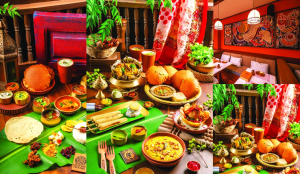
The cuisine of Jharkhand is a mirror of its land, modest in appearance but rich in depth, drawing inspiration and resource from the soil, forest and seasons. Meals typically begin with rice or millet, followed by dal (lentils), sabzi (vegetables), and chutney, often ending with curd or a sweet. The aroma of sarson ka tel (mustard oil), used widely as a medium of cooking, defines the kitchen, while wild greens, bamboo shoots, mushrooms, and forest tubers provide nutrition and character. Jharkhand’s food can be understood through three intertwined culinary trends: agrarian, forest tribal, and urban festive, each influenced by its surroundings and environment.
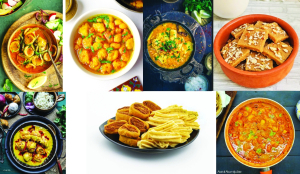
The agrarian heart of Jharkhand lies in the smoke of village hearths where rotis and rice form the traditional foundation of the meal. One of its most iconic dishes, Litti Chokha, begins with balls of gehu (wheat) dough stuffed with sattu (roasted gram flour), flavoured with jeera (cumin), hing (asafoetida), adrak (ginger), and lal mirch (red chilli). These dough balls are baked slowly over coal or open fire until golden and slightly charred, then brushed with ghee and served with Chokha, a smoky mash of baigan (eggplant), aloo (potato) and tamatar (tomato) seasoned with chopped lehsun (garlic), hari mirch (green chilli), dhaniya (coriander) and a dash of mustard oil. This pairing defines the very soul of Jharkhand, rustic, balanced, and nourishing. Another staple is Dhuska, a crispy deep fried bread made by fermenting a batter of chawal (rice) and chana dal (split chickpeas). It is ladled into hot mustard oil and fried until the edges turn crisp while the center remains soft, and is served with spicy aloo bharta (mashed potato) or ghugni (yellow pea curry). The aroma of Dhuska, frying in the morning air in markets and homes, itself defines the very spirit of the land.
Equally beloved is Chilka Roti, a thin savoury pancake made of rice flour and besan (gram flour) mixed with water, salt and chopped onions. It is cooked on a tawa until golden on both sides and eaten with Chana Dal Chutney or fresh curd. Dal Pitha, meanwhile, showcases the region’s fondness for steamed foods and is one of Jharkhand’s most celebrated traditional dishes especially prepared during festivals and community celebrations. Made from rice flour dough and stuffed with a spiced paste of moong dal (split green gram) or chana dal, the Pithas are shaped by hand, steamed, and served with tangy imli (tamarind) chutney. For many households, these soft dumplings are the essence of comfort food, eaten during monsoon evenings or festivals. Another dish that represents simplicity and seasonality is Bansh Kanda, or bamboo shoot stir fry, where tender shoots are boiled to remove bitterness, then sautéed with onions, garlic, and red chilli in mustard oil, their mild sourness complementing plain rice. Safed Bara, small fried lentil rings, widely sold at tea stalls across cities and villages alike, are crisp on the outside, airy within, eaten hot with green coriander mint chutney. Chura Dahi, a simple yet cooling combination of flattened rice soaked in curd and topped with sugar or jaggery, is another rural staple, especially during the summer months when light and refreshing meals are preferred. To close a meal, sweets such as Til Barfi and
Tilkut hold special significance in winter. Both are made with roasted til (sesame seeds) and molten gur (jaggery), shaped into discs or slabs that provide warmth, energy, and festive delight in the cold season.
Jharkhand’s forest and tribal cuisine, on the other hand, is where ancient techniques meet timeless flavour. Ingredients that are not cultivated but gathered from the wild include mushrooms after the first rain, bamboo shoots from shaded groves, and leaves or tubers from the forest
soil. Rugra Fry is one such delicacy made from seasonal rugra mushrooms, prized for their meaty texture. They are cleaned, sliced, and fried with pyaaz (onion), lehsun, and hari mirch in mustard oil until crisp at the edges and tender within. Bamboo Shoot Curry, called Haduwa Tarkari, combines boiled shoots with onions, garlic, turmeric and a dash of tamarind to produce a tangy, smoky curry served with rice. To wash down these hearty meals is a traditional rice based beverage called Handia, that is made by mixing boiled rice with a ranu culture, a blend of ground forest herbs, and left to ferment in earthen pots for two to three days. The resulting drink is mildly alcoholic, sweet sour in taste, and integral to tribal gatherings and harvest festivals. Equally cherished is Mahua Liquor, distilled from the flowers of the mahua tree, a sacred and versatile plant in Jharkhand’s forests. Its distinct floral sweetness and earthy aroma mark festive occasions, while Mahua Ladoo, made from dried mahua flowers, wheat flour and jaggery, represents the same heritage in a sweet, non-alcoholic form, uniting ritual and flavour.
Non vegetarian fare in Jharkhand’s tribal kitchens is equally distinctive. Bongu Chicken, or bamboo smoked chicken, is made by marinating pieces of desi murga (country chicken) in salt, garlic paste, haldi (turmeric) and lal mirch, then stuffed inside hollow bamboo stalks sealed with sal leaves. The bamboo tubes are placed beside an open wood fire until the meat cooks in its own juices, absorbing the scent of smoke and leaf. This dish beautifully captures the spirit of tribal ingenuity, simplicity, and harmony with nature. Dehati Mutton (local mutton), another rural classic, begins by marinating mutton in mustard oil, garlic, ginger, dhaniya (coriander powder), and red chilli paste. It is then slow cooked over firewood with chopped onions and tomatoes until the oil separates and the meat turns tender, producing a deep, spicy gravy served with rice or rotis. Fish lovers along the Koel and Subarnarekha rivers have a favourite in Machhli Bhaja that is prepared by coating river fish such as rohu, katla, tengra, magur and singi with rice flour, salt and chilli before frying them crisp in mustard oil. In forest communities, Venison Curry or wild fowl curry may be cooked with minimal spice, only garlic, onion and tamarind, allowing the natural flavour of the meat to come through. These dishes are prepared in earthen pots or banana leaf wraps, representing a culinary practice older than modern civilization, cooking that respects the ingredient and the environment equally.
Festivals and urban gatherings add another vibrant layer to Jharkhand’s culinary identity. During Chhath Puja, Thekua, an essential offering, are small round sweets made by kneading atta (wheat flour) with jaggery syrup and frying in ghee until golden and crisp. They symbolise purity and gratitude and carry both cultural and religious significance. Rice Laddoos made with rice flour, jaggery and ghee are another favourite. During Durga Puja and Diwali, the aroma of Malpua, a sweet pancake made from flour, banana and jaggery fried in ghee and soaked in sugar syrup, can be found in every home. Bowls of Kheer made with chawal (rice), milk and sugar are shared with guests, while Puri Sabzi meals serve as savoury festive spreads. Festivals are therefore marked not only for their religious significance but the delicious meals that accompany them. Urban streets bustle with vendors selling Litti Chokha, Dhuska and Bara, their stalls surrounded by chatter, the sharp scent of mustard oil and the sound of frying that defines the region’s foodscape. During Sohrai, when cattle are decorated and fields are blessed, families cook both vegetarian and meat dishes, including Dehati Chicken and bamboo shoot pickles, eaten with steaming rice and handia.
Thus, every meal in Jharkhand reflects the land it springs from, the grain of the soil, the greens of the forest, and the serenity of its people. While rice or roti form the foundation, dal and vegetables add balance, wild ingredients lend surprise, and sweets or fermented drinks bring closure. Mustard oil, garlic, green chilli and coriander tie every element together in a harmony of heat, tang and aroma. There is no excess, only equilibrium. The cuisine, though simple, follows an ancient science of nourishment and sustainability, where food is cooked slowly, fermented naturally, and served fresh. Today, Jharkhand’s kitchens are expanding beyond village courtyards. In Ranchi and Jamshedpur, cafés serve millet rotis with chutney dips, handia mocktails and bamboo shoot tacos. Tribal dishes once confined to forest homes now appear on culinary festival menus. Young chefs are rediscovering recipes like Rugra Fry and Dal Pitha, modernising them while preserving their authenticity. Yet the essence remains unchanged; food here is both memory and identity, a dialogue between the old and the new.
Preserving Jharkhand’s culinary heritage means safeguarding not only recipes but a philosophy of life shaped by balance, respect, and resilience. The slow roasting of sattu-stuffed Litti, the fermenting of Handia in earthen pots, and the distilling of Mahua Liquor in tribal villages embody a wisdom where nourishment and nature coexist in perfect harmony. These are not just dishes; they are stories of survival, science, and spirituality written in flavour. The turmeric that heals, the mustard oil that warms, and the garlic that strengthens have long sustained bodies and communities with quiet grace. For the traveller, the cook, or the dreamer in search of authenticity, Jharkhand’s cuisine stands as both humble and profound, a living reflection of the land itself. Yet its true power lies in continuity, in ensuring that future generations inherit not only the taste but the truth behind these meals. Passing down these traditions means passing down identity, sustainability, and belonging. If we protect these culinary legacies today, we safeguard a heritage of nourishment and meaning for the generations yet to come.
(The writer is Secretary, Cuisine India Society)