Fee upon fee upon fee: The middle-class monsoon
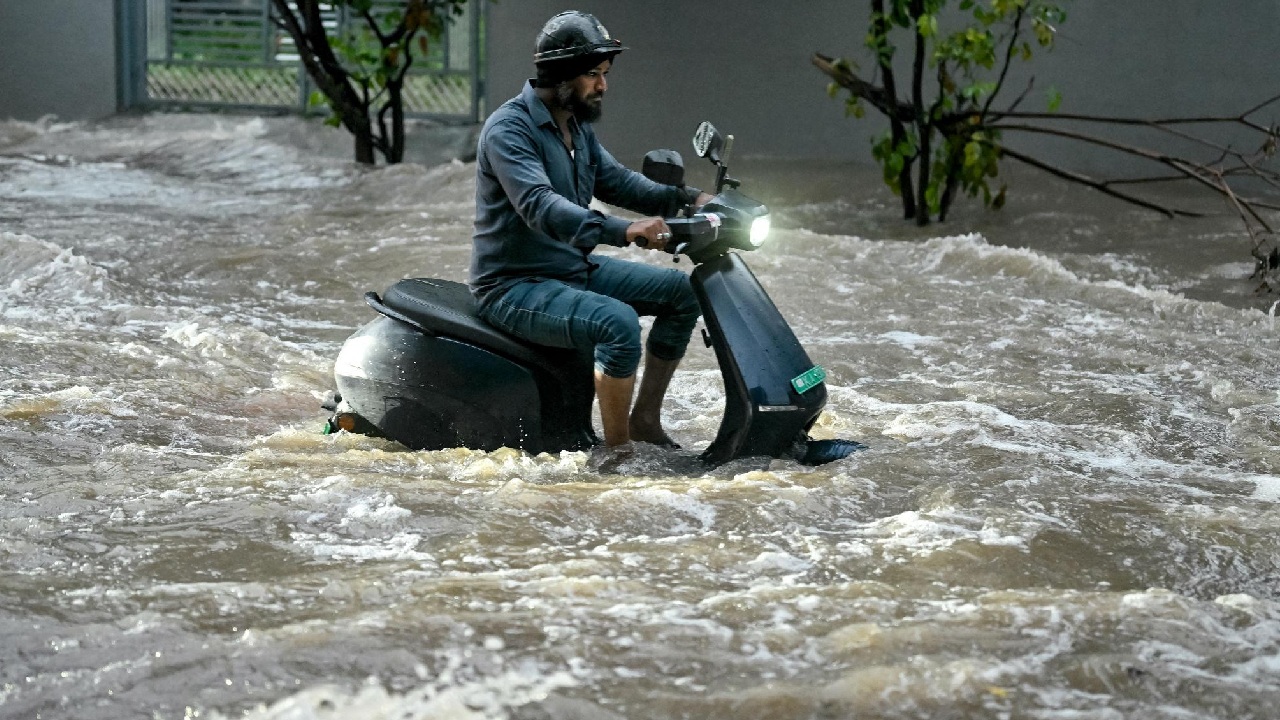
There is a screenshot doing the rounds on social media. A food delivery order. A break-up of charges. And buried somewhere between the restaurant GST and the platform fee sits a quietly audacious little line item — Rain Fee INR 25.00. And then, because apparently the universe has a sense of humour, right below it — GST on Rain Fee: INR 4.50.
Let that sink in for a moment. We are now paying tax on weather. This is a watershed moment — not because of the INR 4.50, which is frankly the least of our worries — but because of what it represents. The complete and creative normalisation of extracting money from the paying class for absolutely everything, including the sky deciding to do what the sky has done for four billion years.
The logic, presumably, is that delivery partners need support during rains. Fair enough. Nobody is arguing against protecting workers in difficult conditions. But here is where things get philosophically uncomfortable — if a company chooses to implement a weather surcharge, who authorised the government’s cut of that surcharge? Rain is not a service. It is not infrastructure. It did not file returns. Yet here we are, paying GST on the inconvenience of precipitation.
And this opens a door that, once cracked, is very hard to shut. If there is a Rain Fee today, tomorrow brings no surprises. A Summer Surge Fee for the heat. A Winter Comfort Fee for the cold. A Spring Freshness Levy, perhaps, for the pleasant weather that clearly someone must be taxed on. Every season becomes a billing opportunity. Every act of nature becomes a line item. The Indian middle class — already a masterclass in absorbing financial shocks with a deep breath and a resigned scroll - will simply add these to the growing list of things they silently pay for.
And that silence is precisely the problem. The middle class in this country is, functionally, the most reliable ATM in the national economy. Taxes deducted before the salary even lands. GST on everything from biscuits to broadband. Fuel prices that somehow remain immune to global oil drops but sprint ahead of every global rise. And now, GST on a rain surcharge on a food delivery app.
What is striking, and worth saying plainly, is that a demographic that contributes this consistently, this obediently, and this extensively to the national exchequer receives remarkably little in return. No meaningful healthcare subsidy. No housing cushion. Education costs that climb faster than salaries. And certainly no rebate for the rain.
There is an old social contract at the heart of taxation: you pay, and the state provides. When the providing becomes invisible and the paying becomes inventive, the contract starts to feel less like governance and more like a subscription nobody agreed to. The monsoon will pass. The fees, one suspects, will not.
The writer is a freelancer and writes on development, social and gender issue ; views are personal
Leave a Comment
Comments (1)
Very well written and it's so thoughtful. @RaghavChadda