Epic Fury misfires: Iran stands its ground
In the 1991 Gulf War, what the US-led coalition forces attacked near Baghdad, claiming it was a biological weapons laboratory, turned out to be a baby milk factory. The incident became a prominent example of the “intelligence controversies” about Iraq possessing weapons of mass destruction (WMD) and made it more difficult to differentiate between civilian dual-use infrastructure and hidden weapons production.
In 2003, the US attacked Iraq based on largely false assumptions that Saddam Hussein possessed stockpiles of WMD, held active biological/chemical weapons programs, and maintained ties to terrorist organisations like Al-Qaeda. Investigations after the invasion revealed that these assumptions were based on flawed or misrepresented intelligence, and no active WMD programs or links to the 9/11 attacks were found.
On February 28, 2026, following failed negotiations, claims of imminent threats, and Iran’s alleged continued efforts to build a nuclear weapon, the US and Israel launched “Operation Epic Fury”-the name selected by Trump-a series of coordinated military attacks on Iran, aiming to dismantle its nuclear and ballistic missile programs, prevent regional attacks, and potentially force regime change. For twenty days since it began, this largely “troop-less” war has amounted to missile strikes and aerial bombardment, causing significant civilian casualties, including at least 165 schoolgirls and injuring many others in Iran.
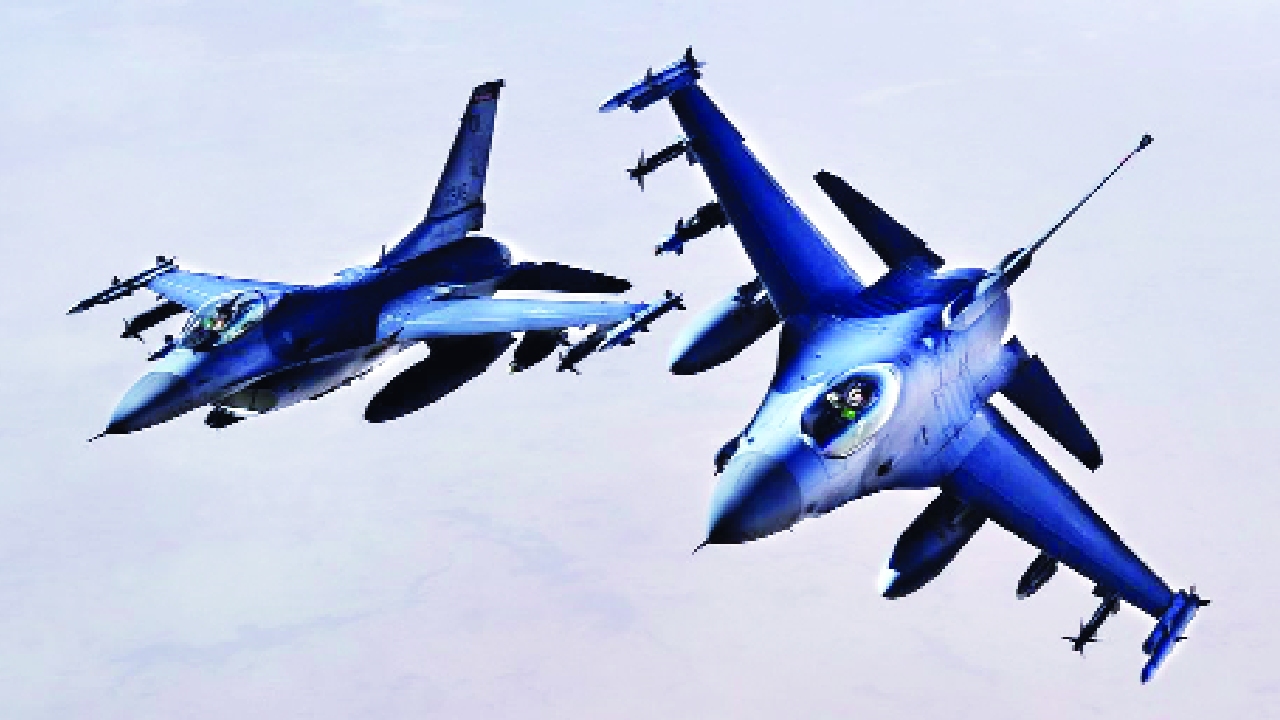
The United States deployed a formidable array of advanced weaponry. These included Tomahawk cruise missiles launched from naval platforms, GBU-28 bunker-buster bombs targeting fortified underground facilities, and Joint Direct Attack Munition (JDAM) kits converting conventional bombs into precision-guided weapons. B-2 stealth bombers were used against hardened targets, while Hellfire “Ninja” missiles enabled highly precise strikes. Ground-based systems such as HIMARS were also reportedly employed.
Israel complemented these capabilities with its own advanced systems, including Delilah stand-off missiles and Rampage supersonic air-to-surface missiles. SPICE guidance kits enhanced strike accuracy even in GPS-denied environments. Its F-35I “Adir” stealth fighters and F-15I “Ra’am” strike aircraft enabled deep-penetration and heavy payload missions.
In twenty days, U.S. and Israeli forces have reportedly struck over 15,000 targets across Iran during an escalating conflict, with the Pentagon reporting over 7,000-7,800 targets hit by U.S. forces alone, focused on military infrastructure, naval assets, and missile capabilities. Key sites targeted include Kharg Island, the South Pars gas field, and facilities in cities like Isfahan. While officials claim total destruction of Iran’s defense capability, such figures often include minor or repetitive targets. Official reporting often includes individual rockets, small buildings, or previously damaged items to inflate target numbers, rather than destroying 15,000 significant, unique infrastructure installations.
And even if the above figures are not exaggerated, despite advantages of highly technological weapons, the first twenty days of hard-hitting Iranian targets failed to bring about the swift strategic outcomes anticipated by Washington and Tel Aviv. Both Trump and Netanyahu may have miscalculated Iran’s capacity to absorb and respond to military pressure. While high-ranking Iranian military and political leaders were killed by U.S. and Israeli strikes and achieved tactical successes, Iran demonstrated considerable resilience and retaliatory capability. Contrary to claims of internal collapse or popular uprising, Iran’s political and security structures have held firm. Reports of public reactions remain inconclusive and often contradictory. Forget about giving up or surrendering, Tehran responded with sustained missile and drone strikes targeting U.S. and Israeli interests. Iran’s actions have emphasised a key reality: its defensive depth and offensive capabilities were underestimated.
Iran’s response has been driven by an increasingly sophisticated and diverse missile inventory. Its medium-range ballistic missiles include the Kheibar Shekan, Fattah-1 (reportedly hypersonic), and Haj Qassem, each with ranges of around 1,400-1,450 km. Short-range systems such as the Zolfaghar and Fateh-110 series, along with Hormuz anti-ship missiles, have also been deployed. In addition, Iran has used cruise missiles like the Paveh, Soumar, and Quds families to overwhelm air defence systems. Older liquid-fuel missiles such as the Shahab-3 and Emad remain operational. Particularly notable is the Khorramshahr-4 missile, capable of carrying a 1,800 kg warhead over distances of up to 2,000 km.
With all these munitions Iran has targeted Ben Gurion Airport in Israel, Israeli air bases and command centres, U.S. bases at Al Udeid (Qatar) and Al Dhafra (UAE) as well as military facilities in Bahrain, Kuwait, Iraq, Jordan, Saudi Arabia, drone strike on the U.S. Embassy in Riyadh, causing a fire but no casualties and a missile attack on an oil terminal in Fujairah, UAE, disrupted exports. A defining feature of Iran’s strategy is its emphasis on asymmetric warfare. Its large stockpile of one-way attack drones-such as the Shahed-136-enables “swarming” tactics designed to overwhelm even advanced air defence systems.
Estimates suggest Iran possesses 2,500-3,000 ballistic missiles and produces over 100 offensive missiles per month. In contrast, U.S. defensive interceptors are significantly more expensive and slower to produce. The cost imbalance-drones costing tens of thousands of dollars versus interceptors costing millions-favours Iran in a prolonged conflict.
The Trump administration has justified the campaign through a range of claims that have drawn scrutiny and criticism. Claims of having “obliterated” Iran’s nuclear programme, its navy and air force appear inconsistent with continued reports of operational capabilities. And if so, why is the US deploying an amphibious assault ship and over 2,000 Marines to the Middle East?
Despite sustained strikes, Iran has maintained operational continuity, with its leadership structure intact and defence industries functioning. Its doctrine of “passive defence”-including dispersal, concealment, and hardened infrastructure-has enabled it to endure prolonged pressure. Iranian Foreign Minister Abbas Araghchi stated in interviews with NBC News and other outlets that Iran is “waiting” for a U.S. ground invasion.
With both sides entrenched-the U.S. and Israel seeking regime change, and Iran demanding compensation while signaling continued resistance-the prospects for de-escalation remain uncertain. Any potential escalation, including the activation of regional proxies such as Hamas, the Houthis, and Hezbollah, could widen the conflict significantly.
India, which, like so many countries, is getting affected by the destruction of millions of tons of valuable fuel, has urged all sides to exercise restraint, avoid escalation, prioritise the safety of civilians and to pursue dialogue and diplomacy.
Col Anil Bhat, VSM (Retd), is a strategic affairs analyst and former spokesperson, Defence Ministry and Indian Army; views are personal