Corporate circus: Lessons and reflection
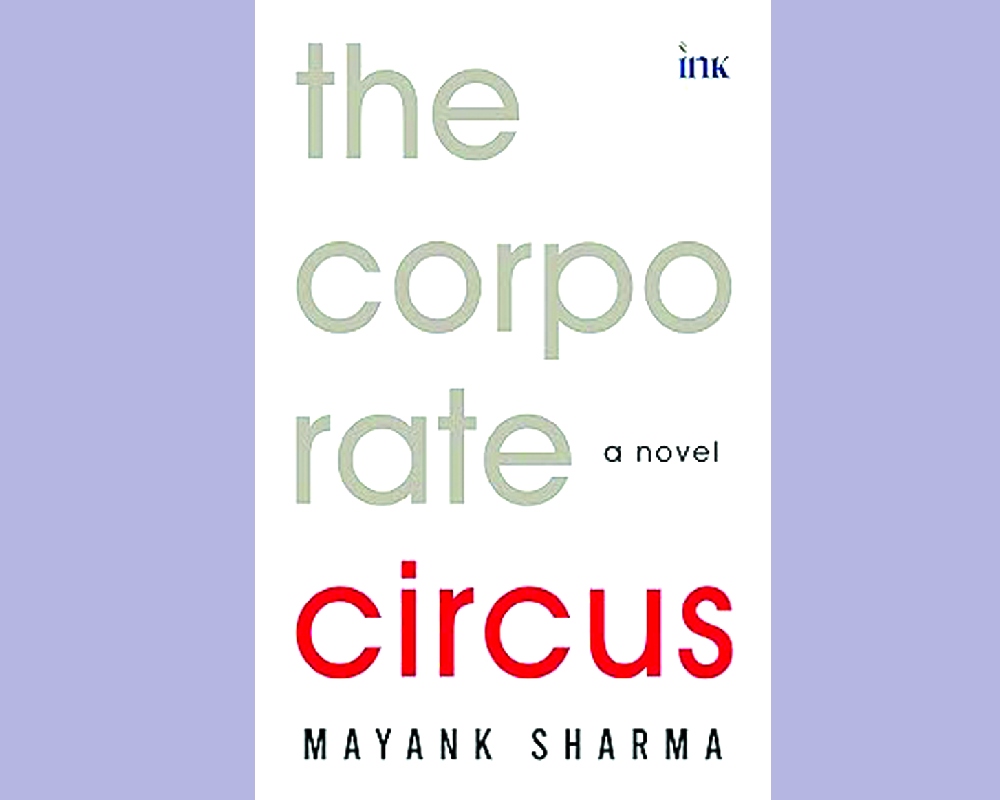
Every once in a while, a book comes along that feels less like a story on paper and more like a mirror being held up to our lives. The Corporate Circus by Mayank Sharma is exactly that. As I turned its pages, I found myself smiling knowingly, nodding in recognition, and at times pausing to reflect on just how much of my own professional journey was captured within its circus tent of characters, politics, and drama.
Mayank and I have been connected on LinkedIn for a long time. We finally met in January this year when I had launched my own book, People Powered Startups. By this time, both of us had quit our full-time jobs and ventured into HR consulting. We connected on a call a few days later, and I was surprised to see we share so much in common: a career in HR, small-town upbringing, the urge to leave metro city life, cultural issues in corporate.
He took some suggestions from me on book writing and publishing, and I am glad he has been able to achieve his lifelong dream now, with The Corporate Circus in my hands. What struck me first was the honesty of the writing. Mayank doesn’t try to sugarcoat the modern workplace. He paints it in its full spectrum — ambition, power, manipulation, but also vulnerability, resilience, and camaraderie. The metaphor of the circus is not just clever; it’s painfully accurate. Anyone who has spent even a few years in a corporate setup will recognise the ringmasters who call the shots, the jugglers who are always multitasking, the gymnasts
taking unnecessary risks, and yes, the clowns who lighten the mood, often unintentionally.
For me, reading this book was more than literary enjoyment. It was an emotional experience. Having worked across startups and large organisations for over two decades, I could instantly map these characters to real-life individuals I have encountered.There were moments when I laughed out loud at the absurdity of certain scenes — because I had been in rooms just like that. There were also moments when I felt a twinge of discomfort, because the book doesn’t shy away from showing how corrosive unchecked politics or blind ambition can be, both for individuals and for the culture of an organisation.
The brilliance of The Corporate Circus lies in its balance. While it is satirical in tone, it never tips into cynicism. Mayank manages to critique the corporate world while still maintaining empathy for the people who inhabit it. His characters are flawed, yes, but they are also deeply human. Their insecurities, aspirations, and compromises make them believable. In many ways, the book reminds us that behind every designation or title is a person simply trying to find meaning, security, and maybe a little joy. One of my favourite aspects of the book was how effortlessly it blended humour with hard truths. For example, a seemingly lighthearted bit of gossip during a tea break might turn into sharp sarcasm on everyone’s hypocrisy.
Similarly, the playful descriptions of office rituals — the endless meetings, the carefully staged appraisals, the performative town halls — are written with such keen observation that you can’t help but chuckle, even as you feel the weight of their truth. As someone who has devoted his professional life to building people practices, I found the book especially resonant.
The narrative highlights the very real tension between organisational ambition and employee wellbeing. It forces us to confront questions we often avoid: Are we designing workplaces that bring out the best in people, or are we unconsciously perpetuating systems that drain them? Do leaders truly recognise their responsibility, or are they just playing to the gallery like circus showmen? Another element that stood out was how relatable the book is to readers outside the corporate bubble too. Anyone who is going to pick this up will know what they are signing up for.
What elevates The Corporate Circus beyond a satire is its underlying hope. While it exposes the absurdities of the system, it also nudges us towards reflection. By the time I reached the final chapters, I wasn’t just entertained; I was asking myself: What kind of colleague am I? What kind of leader? What would I do differently if I could step outside the circus ring and redesign the show?
The language of the book is simple yet powerful. Mayank doesn’t rely on jargon; instead, he uses crisp prose and vivid metaphors.
That makes it accessible to a wide audience — young professionals just starting their journey, seasoned leaders who’ve seen it all, and even readers who are curious about what really goes on behind the glass walls of corporate offices.
If I had to summarise my experience, I’d say this: The Corporate Circus is part mirror, part satire, and part wake-up call. It entertains you, yes, but more importantly, it makes you pause. In a world where we are often caught up in quarterly targets and performance reviews, this book reminds us of the larger questions — about integrity, purpose, and the cost of success. I would strongly recommend this book not just to those navigating the corporate maze, but also to leaders who have the power to shape cultures. It’s a reminder that organisations don’t have to be circuses where survival is the only act. With conscious effort, they can be communities where people genuinely thrive.
As I closed the book, I felt grateful — not only to Mayank for writing it, but also for the chance to reflect on my own journey. Books that can make you laugh, wince, and introspect all in the span of a few hours are rare. The Corporate Circus is one of them.
(Saurabh Nigam is the Founder & CEO of ProGrowth People Solutions, a seasoned HR leader, author of “People Powered Startups,” and a passionate advocate for building world-class organisations in India)