Cinema branding beyond stories on screen
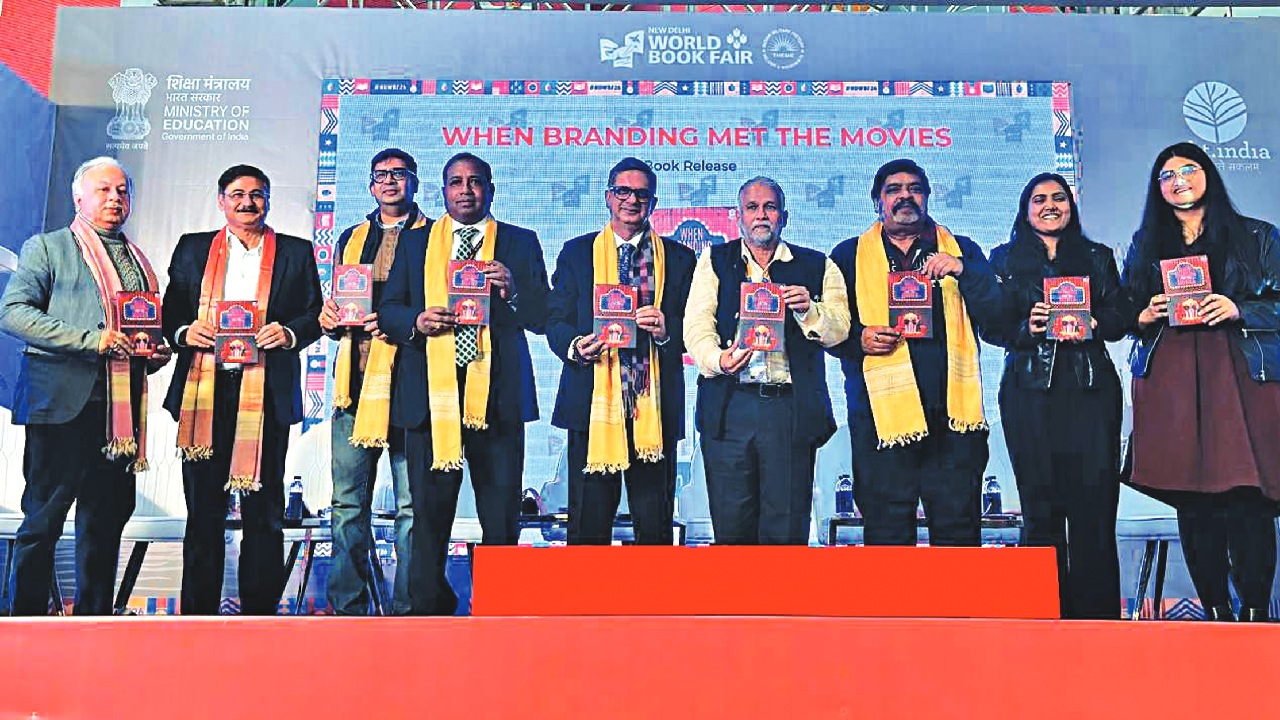
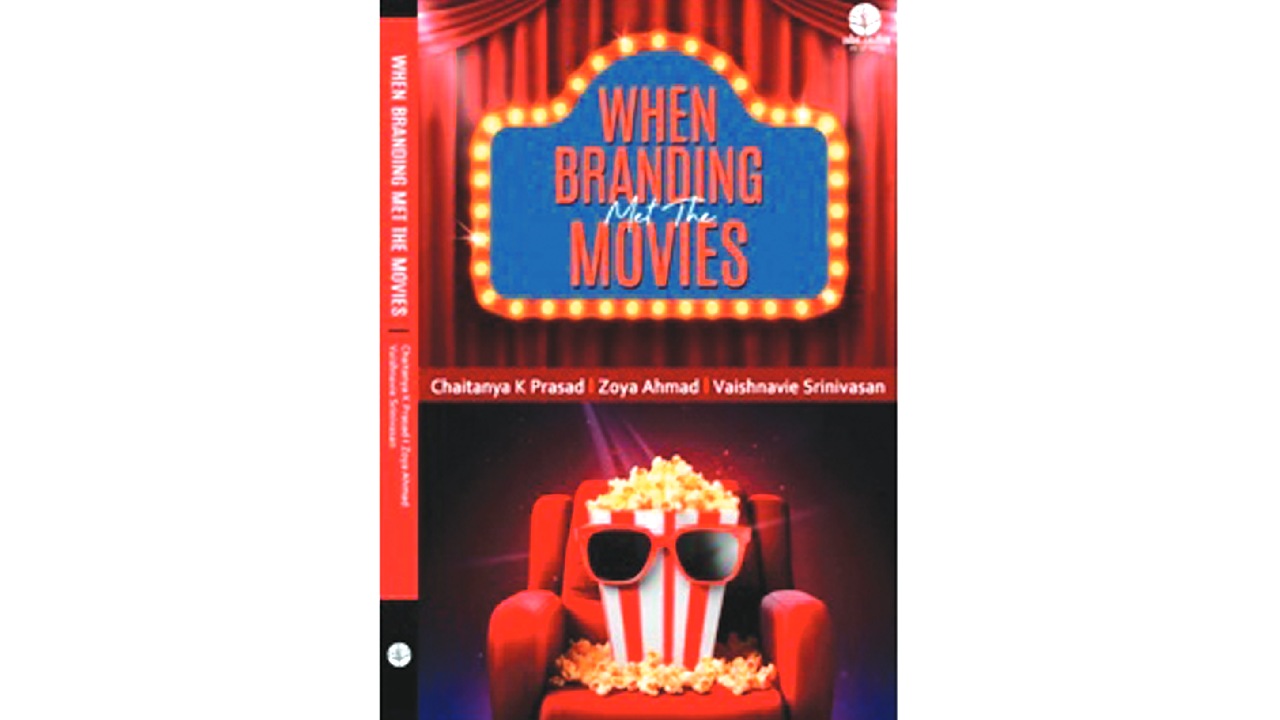
This is not a book about movies alone. It is about everything that happens around them — and how those surrounding forces often grow larger than the story on screen itself.
Cinema, after all, no longer merely entertains. It sells emotion. It packages longing into trailers, turns songs into deeply personal anthems, and somehow ensures that a single poster lodges itself in our memory long after the plot has politely exited. A slow-motion entry shot, a perfectly timed teaser drop, or a director’s name that alone guarantees an opening weekend-branding in cinema is everywhere. And, inconveniently for purists, it works.
This book sets out to unpack that alchemy across the vast film ecosystem: Bollywood and Hollywood, regional powerhouses and indie outliers. It moves from the personal branding of stars and filmmakers to the legacy-building strategies of production houses; from fashion, film festivals, and awards to the marketing machines and social media ecosystems that keep films alive long after the credits roll. What makes a film linger in our collective consciousness and quietly become part of who we are? That is the question at hand.
We begin at the beginning. What is branding, really? How did it evolve from simple trademarks into layered narratives that now surround almost everything we consume? Cinema branding, in particular, is a peculiar creature. It operates simultaneously at multiple levels-the film, the star, the director, the studio-each constructing identities that often outlast the films themselves.
From there, we rewind to the early days of Indian cinema, when posters were hand-painted works of art, trailers were events rather than uploads, and the Mahurat ceremony transformed the first day of shooting into a media spectacle. These were not merely clever publicity tactics; they were foundational practices that shaped how audiences remembered, discussed, and mythologized films for decades.
Music warrants a chapter of its own-because, honestly, try humming the Jaws theme without feeling a little uneasy. Songs become signatures that transcend language. Costumes create instant recognition. Awards elevate small films into cultural conversations. Fashion stretches cinema into merchandise empires, while film festivals confer a kind of credibility and visibility that money, paradoxically, cannot always buy.
Personal branding is where the story becomes especially compelling. How does Amitabh Bachchan transition from actor to institution? How do certain directors cultivate names so powerful that audiences buy tickets without knowing anything else about the film? We explore figures such as Steven Spielberg and Yash Chopra-creators who, somehow, became larger than their own bodies of work. Production houses take centre stage as well, because some studios possess identities so distinct that a single opening logo is enough to set expectations. From expansive marketing campaigns and
brand tie-ins to VR experiments and interactive stunts, the line between watching a film and participating in it continues to blur.
Then comes the digital reckoning. Social media did not merely alter cinema branding; it rewired it entirely. Streaming platforms invented rules in real time. Audience engagement ceased to be a one-way conversation. Today, a single tweet can dent an opening weekend. We examine what genuinely works, what is merely noise, and why ‘going viral’ has become both a strategy and an obsession. The final section confronts reality head-on: market saturation, piracy, fragmented audiences, and ethical questions the industry often prefers to sidestep. But it also looks forward-to spaces for innovation, trends worth paying attention to, and the enduring possibility that something genuinely new can still emerge.
If you have ever wondered why some films feel like movements, why certain actors function as walking brands, or why that one song refuses to leave your head weeks later, this book may offer a few answers. It is part detective work, part fan letter-written without excessive reverence, because this industry does not always demand it, but with respect, because it undeniably earns it. Cinema does not merely tell stories. It weaves itself into our own. And understanding how it does so makes the magic richer, not weaker.
(The book reviewer is a Senior Editor with The Pioneer); views are personal