Chaos and confusion in the neighbourhood
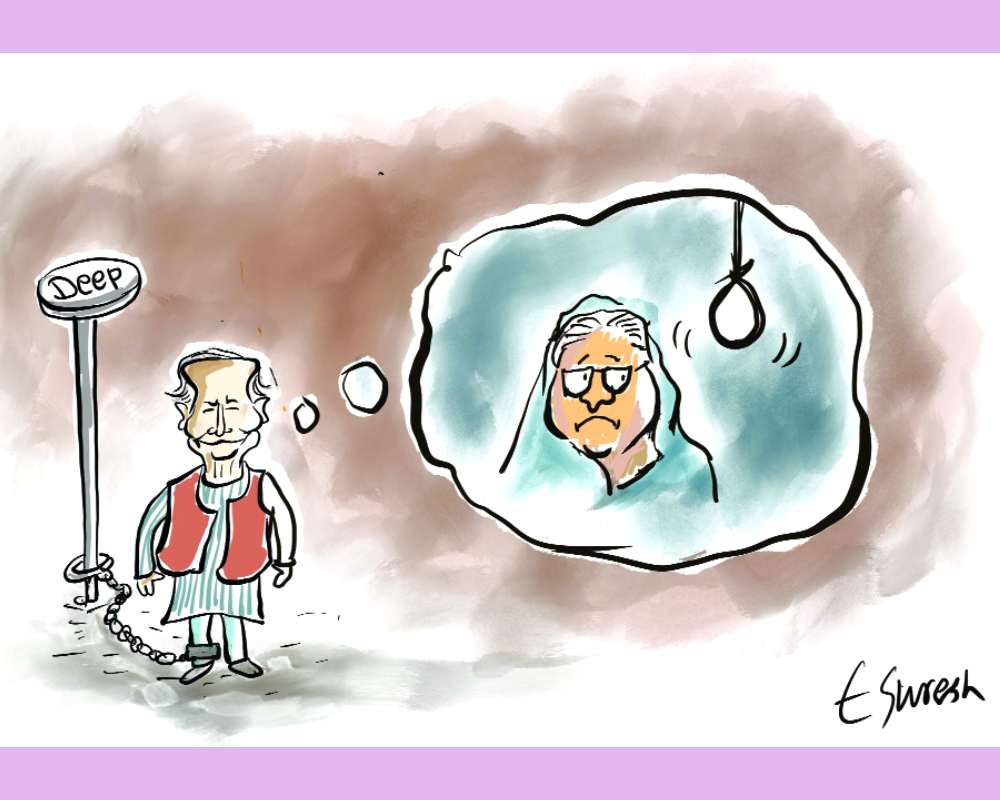
Bangladesh is headed for further political uncertainty and a possible descent into turmoil and instability, given the recent developments related to the verdict convicting former Prime Minister Sheikh Hasina (PMSH) of crimes against humanity. After the events in July-August 2024, which led to violence, the ouster of the government, and her subsequent arrival in India on a special military aircraft, PMSH has been given safe haven by India.
This has understandably led to further tensions in bilateral ties, which have been progressively worsening since PMSH left Dhaka and the installation of an interim government (IG) led by Chief Advisor Mohammad Yunus, who has made clear his animosity towards India and his increasing proximity to Pakistan and China and, to an extent, the United States. While there had been general dissatisfaction with the dictatorial manner in which PMSH was running the government, there was economic growth in Bangladesh with an increase in GDP figures, and her government’s policies had set the path towards Bangladesh exiting the Least Developed Country category by 2026.
However, that may not happen now, as student protests against job quota reforms picked up after PMSH labelled them as “grandchildren of the Razakars” who supported the Pakistani military’s operations in the 1971 liberation war and were accused of heinous crimes. The use of the term further escalated the protests as students felt slighted and considered her response dismissive of their efforts to address the quota system in government jobs, which reserved around 30 per cent of jobs for descendants of the freedom fighters of the 1971 Liberation Movement.
As the violence increased and the government responded with a heavy hand, leading to the deaths of some protesters, the situation inflamed and demands for PMSH’s resignation increased, eventually forcing her to flee the country for India. The government failed to recognise the mood on the ground, especially after the opposition’s boycott of the general elections in January 2024 and the groundswell of anti-government sentiment. PMSH’s tenure in power from 2009 to 2024 was marked by strong economic growth but also by a strong crackdown on dissent, extra-judicial killings, and alleged human rights violations. After PMSH left the country, tensions eased somewhat and the Bangladesh Army announced the setting up of an interim government (IG) to run Bangladesh. The chaos that followed saw widespread destruction, and violence continued for some time before there was relative calm, along with demands for accountability for those killed.
The Yunus-led interim government has been mandated to focus on reforms in the system and there is an opportunity to take Bangladesh out of the quagmire and put it on a transformative path to rebuild democracy and ensure security and stability, though there are many questions about the likelihood of this happening given the IG’s approach. The IG’s decision to put PMSH on trial in the country’s International Crimes Tribunal (ICT) and her conviction, in absentia, on charges of human rights violations, and the award of the death sentence have once again put Bangladesh in the spotlight and its future at a crossroads. The verdict marks the end of a political dynasty and PMSH’s political journey and her 15-year tenure at the helm of the country.
After much pressure, Bangladesh’s IG has announced general elections in February 2026, along with a referendum on the July National Charter, which offers a direction and roadmap for structural reforms. It proposes introducing time limits for prime ministerial terms and scrapping the first-past-the-post system for proportional representation, thereby rewriting the rules of Bangladesh’s politics. While these reforms are supported by the Bangladesh Nationalist Party (BNP), the Jamaat-e-Islami (JeI), and other smaller parties, they are not supported by the student-led Bangladesh Citizens Party (NCP). This, along with the proposed ban on the Awami League’s participation in the forthcoming elections, does not augur well for Bangladesh. The death sentence for PMSH and demands for her extradition from India are symptoms of the compromised judicial system and flawed policy approach of the interim government, exposing it to charges of bias and a predetermined verdict.
The ICT’s mandate was changed in an unconstitutional manner, and the Chief Prosecutor in the case was a JeI lawyer who had defended 1971 war criminals. PMSH was also not allowed to choose her defence lawyers. India has refused to send back PMSH, stating that any decision must follow due process and align with the bilateral Extradition Treaty between India and Bangladesh, which clearly exempts extradition “for an offence of a political character” (Article 6). For India, Bangladesh is an important neighbour and there is a need to keep the relationship as amicable as possible. But the growing clout of pro-Pakistan elements in Bangladesh’s polity and the undermining of the Awami League and its supporters pose challenges for India’s approach to the new government after the proposed elections.
The actions of the current interim government appear to be dictated by Pakistan-backed JeI and other Islamist outfits, which reportedly hijacked the peaceful student protests and were at the forefront of the violence that erupted in July-August 2024.
The IG has looked the other way, allowing mobs to take revenge and kill Awami League workers and even minorities; journalists and civil society activists have been jailed. The IG has labelled these incidents as political violence or Indian propaganda. India is continuing with trade, energy cooperation, and supply of essential commodities and is being patient, keeping in mind the unpredictability of Bangladesh’s future course as it realigns itself with Pakistan, which has even spoken about a three-front attack on India. India would like to see free, fair, and inclusive elections in February 2026 and build a strong bilateral partnership, but the rising influence of radical religious and anti-India elements will present India with difficult choices and challenges in rebalancing ties.