Beyond the claim of a Naxal-free India
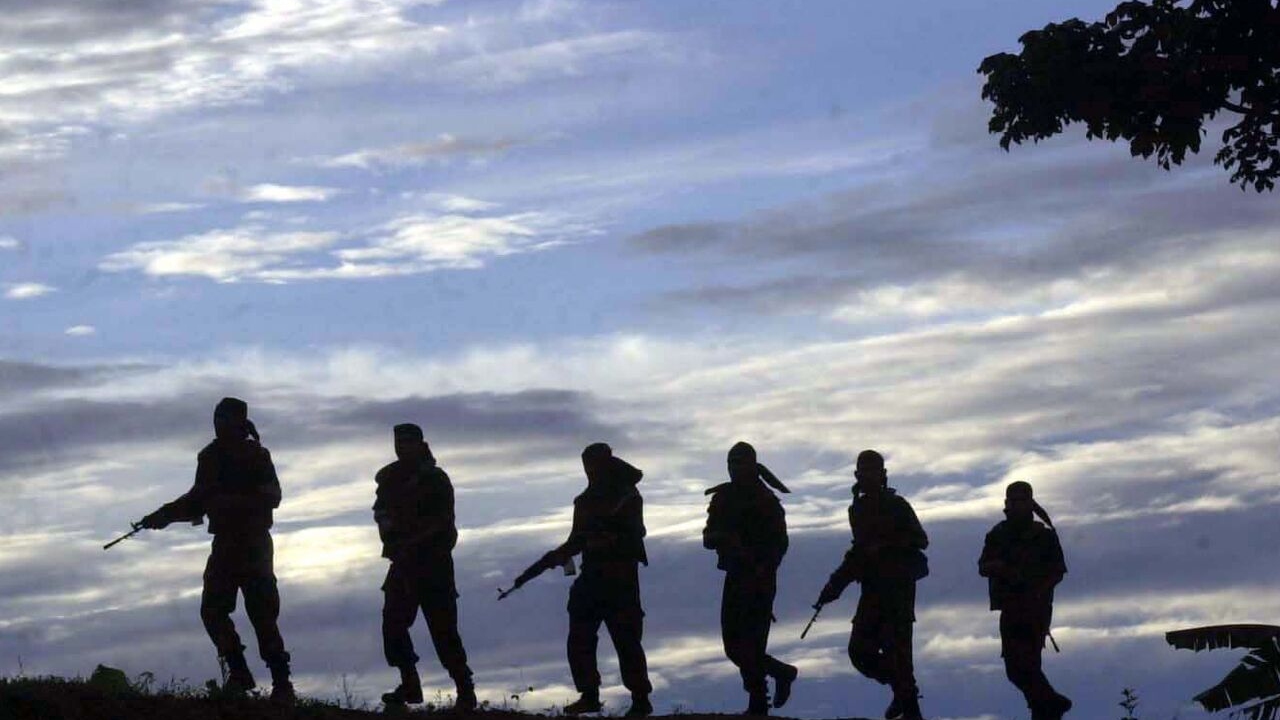
March 31, 2026 — the date the Central government set in 2024 — is now in the past. India is not yet free from Naxalism. No doubt the Government has done an incredible job of containing Naxalism and bringing down civilian casualties and violence, but it is yet to be eradicated completely. The promise of a “Naxal-free India” is yet to be realised. In the Lok Sabha, Amit Shah declared that the country had effectively been freed from Naxalism. Yet, beyond the rhetoric, the reality is more complex. While a large number of Naxalites have laid down their arms and the infamous Red Corridor has been cleared of Naxals’ sway over land and people, it is still present, albeit with a weak presence in pockets of central India, particularly in parts of Chhattisgarh, Jharkhand, and Odisha. The security operations have been very successful, and the Naxals are on the back foot. Infrastructure has improved, and the Naxals are finding it difficult to get new recruits as older ones are surrendering in large numbers. What has led to this decisive victory is not just security operations but a calculated approach combining force with development — roads, telecom connectivity, banking access, and welfare delivery — which has substantially shrunk the Red Corridor.
The Indian state has succeeded in regaining territorial and administrative control in most of the insurgency-hit areas. However, the complete eradication of Naxalism is yet to be attained. Naxalism was not a simple law-and-order situation. It was rooted in basic questions of land, livelihood, and injustices in the country’s most poverty-stricken areas of Chhattisgarh, Odisha, and Madhya Pradesh, mostly inhabited by Scheduled Tribes living in abject poverty. Shah’s assertion in the House - that poverty followed Naxalism, not the other way around - is rather oversimplifying a complex socio-economic reality. Tribal displacement, forest rights, skewed development, and unresponsive local governance continue to create fertile ground for discontent. While security forces may clear territories, the absence of sustained institutional presence - schools, healthcare, fair markets — can allow alienation to fester. If the gains made by security forces are to become permanent, these issues must be addressed immediately before another wave of this ideological war hits the region.
Moreover, counter-insurgency, especially one with deep social roots, demands consensus and continuity. The Government must incorporate the suggestions of Opposition parties and take them into confidence while waging a war on its own soil. When the discourse becomes combative rather than collaborative, it risks reducing a national challenge to a partisan contest. Rehabilitation programmes for former cadres must be strengthened to prevent relapse, and a drive must be undertaken to win hearts and minds through education, dialogue, and cultural integration, not just security dominance. Finally, the narrative itself needs recalibration. Declaring victory may be politically expedient, but it can breed complacency. The guns may have fallen quieter, but the battle of ideas — and of justice — remains unfinished.