Amidst drones and missiles in Dubai
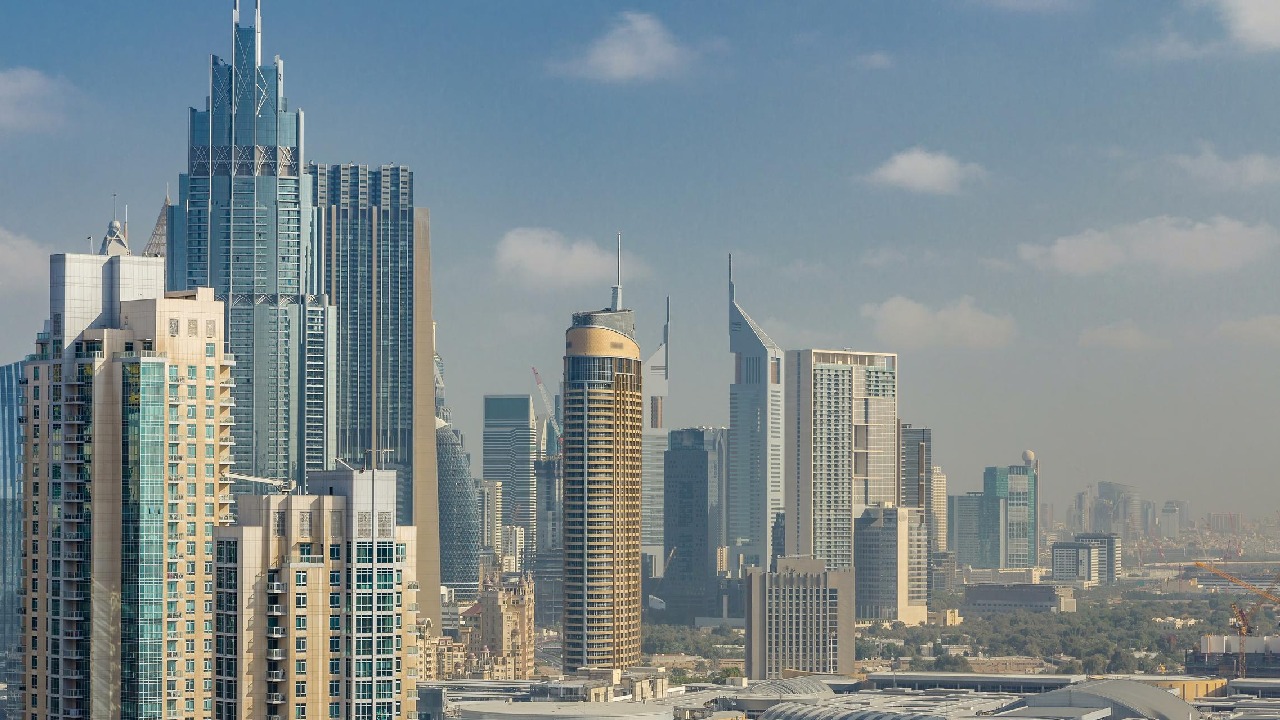
Dubai isn't new to booms. It is a place of celebrations throughout the year. Fireworks light up the skies in different parts for seasonal reasons, which, as residents, we sometimes are not even privy to. The soft rolls of thunder that accompany the pyrotechnics are hemmed into the aerial fabric of the city, and we have adopted them as a grand gesture of invitation to a life of plenitude and pride. It's also a booming city, given how it has grown from being swathes of sand-laden emptiness to a haven of all good things money can buy. Then, one afternoon, all of a sudden, amidst the calm of holy Ramadan, the booms that usually marked gaiety swivelled and took a bizarre turn. It was something that the city or its residents hadn't anticipated in their wildest dreams. The echoes of the new bangs had a sinister implication. It had a different backstory. As the day wore on and the sun began to set, I heard the noise again - unmistakably menacing. In the sky overhead, I saw the remains of three intercepted missiles or drones falling in a pretty, fiery arc. Against the thickening dusk, the spectacle seemed fantastic, and at the same time, scary. War was at our doorstep, in a place that is synonymous with safety and sanctuary from many evils of the world. Neutrality shouldn't breed enmity, right? Wrong. In a world where politics has no fixed patterns, power has no conscience, the calculus of war and peace can get disfigured. Collateral damage and causality become commonplace. The UAE, along with other Gulf nations, fell victim to the side effects of a greater power game with ambiguous aims. To us, who lived cosy, cocooned lives, it was a sober reminder - nothing can be taken for granted. Especially, peace. Yet, despite all the chaos that the news channels with their stomach-churning exaggerations created and the initial wave of alarm that consumed us, there was an underlying sense of calm when we were repeatedly informed that the nation was on the job of keeping us safe. When enquiries from across the world flooded our phones, we replied with equanimity, "We are safe. Please don't worry."
What was stark was that no expat resident believed that the scenario was as bad as the Gulf War of 1990-91 and contemplated fleeing. They knew this was a clumsy phase, and they had to stay put until it passed. It's hard to explain what instilled such unflinching trust in the government - which it would keep us out of harm's way. We were just convinced they would. While the recurring booms in the sky kept reminding us that we were being indiscriminately pounded, we were also constantly reassured that we were being protected. It's perhaps the way we have been treated here or the way we found that this place spared us what the rest of the world constantly felt in their gut - fear. Of everyday intrusions, intimidation and criminality. This war was an aberration. As I write this, life goes on, undisturbed. There is palpable caution, but not panic. This is not how a city facing an onslaught might typically look or behave. There are several takes on what this could do to the morale of Dubai - people voicing concern about its image as an insulated city taking a beating, or the cost of the air defence causing financial strain - but if there is one thing that this semblance of war hasn't and cannot do is steal the confidence of its citizens and residents from its leadership. In the end, it's about how a nation makes its people feel. The bond between the two is like a marriage where not everything is perfect, where small grievances might be routine, but the benefits and comforts outweigh the little annoyances, where the reasons to stay and love overshadow the rest.
The writer is a Dubai-based author, columnist and children's writing coach; views are personal