A toolkit to survive the AI gold rush

There is a particular kind of madness that visits human civilisations every few centuries. It visited us during the dot-com frenzy of the late 90s, and it is visiting us now — dressed in a sharp blazer, carrying a pitch deck, and calling itself Artificial Intelligence.
Walk into any boardroom today. Sit through any investor call. Scroll through any LinkedIn feed. The word "AI" has become less of a technology descriptor and more of a survival incantation. Stamp it on your company, and doors open. Forget to mention it, and you are already yesterday's business. Every second startup claims to be an AI company the way every second person in the 2000s claimed to be a dot-com entrepreneur. We have seen this film before. We just never seem to remember how it ends.
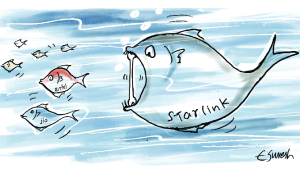
There is something deeply revealing in this pattern — not in the technology itself, but in our relationship with it. Human beings have always been seduced by the promise of a tool that thinks faster, scales better, and costs less than the inconvenient, emotional, lunch-break-taking human. The tragedy is not that we build such tools. The tragedy is that we build entire economies around the hype of such tools, long before the tools actually deliver. The numbers quietly tell a sobering story. A significant chunk of AI startups being born today will not survive their third year. Many will be acqui-hired — that polished corporate term for "we bought your team and buried your product." The rest will exhaust their Series A funding chasing a product-market fit that was never really there, then quietly fold. What remains standing will largely be the same five or six tech behemoths who had the infrastructure to absorb the innovation in the first place.
But here is the question that keeps this from being just another market analysis — what are we leaving behind for the generation currently in school? A child entering Class Six today will graduate into a workforce that looks nothing like the one being described in career counselling sessions right now. The jobs being prepared for may not exist. The skills being drilled may already be automatable. And yet, the conversation about futures, about meaningful careers, about what it means to contribute — that conversation is still largely absent. The AI bubble, if it bursts, will leave debris. But the deeper damage will not be economic. It will be existential — a generation handed a world shaped by tools they were never taught to question, only to use. Perhaps the real intelligence we need — artificial or otherwise — is the wisdom to ask not just 'what' AI can do, but 'who' it is ultimately doing it for. That answer still requires a very human mind.
The writer is a spiritual teacher and a popular columnist; views are personal