14-day reprieve: Ceasefire and new global strategic challenges
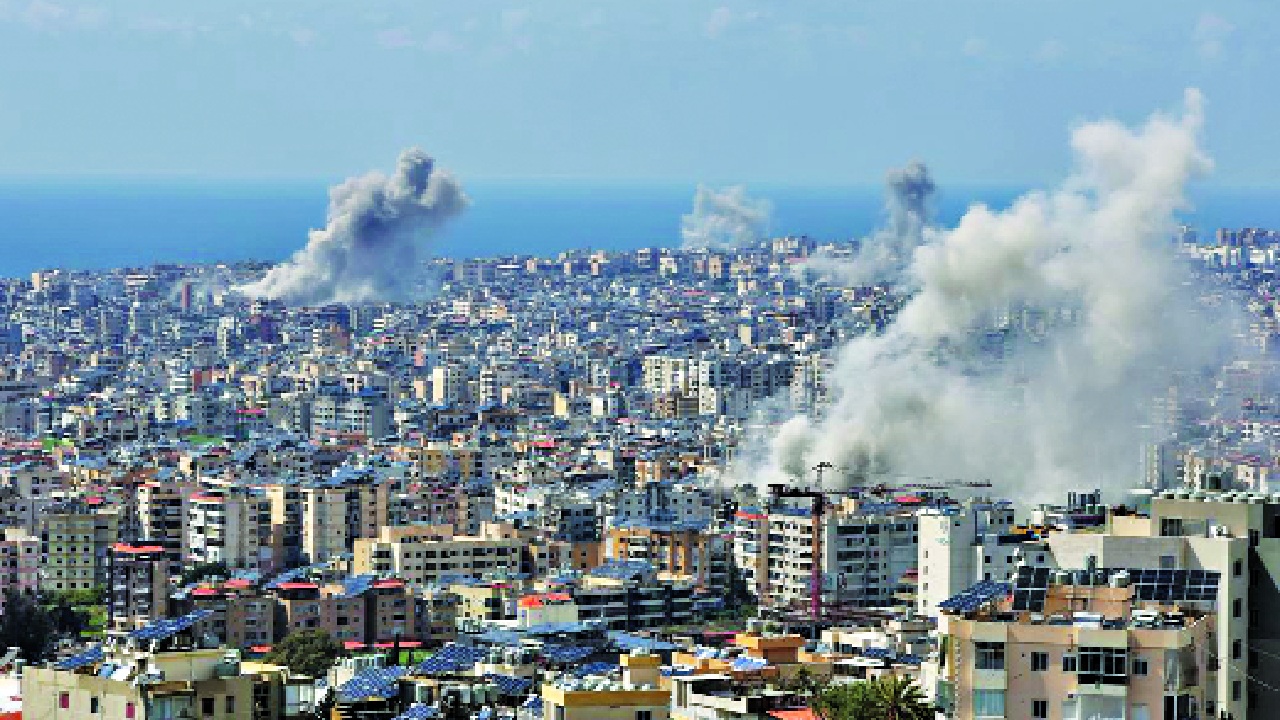
On the morning of April 7, 2026, the world stood at a precipice that US President Donald Trump described as “the death of a civilisation.” Twelve hours before his self-imposed 8:00 PM deadline, the shadow of full-scale war loomed over the entire Middle East. With the destruction of bridges in Kashan, Iran’s key oil export hub on Kharg Island, and the rising humanitarian toll-including the deaths of 18 civilians in Alborz province-Trump had provided a grim preview of this “civilisational destruction.” As the clock ticked toward a catastrophic conflict, an unexpected mediator and a 10-point proposal, termed a “Document of Self-Respect,” emerged to pull the world back from the brink.
This ceasefire, brokered through Pakistan, marks a turning point in 21st-century geopolitics. To understand its significance, one must observe the roles of the primary parties involved and the massive economic and structural implications of the demands currently on the table.
The path to the April 7 ceasefire was paved by the “Maximum Pressure 2.0” strategy. President Trump’s approach was uniquely aggressive, eschewing traditional diplomatic nuances in favor of a “might is right” policy. By targeting critical infrastructure like power plants, railways, and bridges, the US presented Tehran with two choices: surrender or face total annihilation. During this period, President Trump and Vice President JD Vance played a “bad cop-good cop” routine, alternating between aggressive posturing and messages of peace.
In this crisis, an unexpected “hero” emerged. Pakistan’s Prime Minister Shehbaz Sharif, despite struggling with his own country’s economic fragility, filled the vacuum. According to analysts like Olivia Reed, Pakistan’s role was a well-planned US maneuver. While the US used Pakistan as a credible “neutral” mouthpiece to deliver an ultimatum, Sharif-a favorite of Trump-and Field Marshal Asim Munir provided Iran with a dignified exit strategy, likely at Washington’s suggestion. By requesting a two-week window to “give diplomacy a chance,” Pakistan allowed Trump to appear magnanimous and helped the Iranian government frame the move not as a surrender to Western powers, but as a response to a brotherly Islamic nation.
Iranian Foreign Minister Abbas Araghchi and the High-Level National Security Council immediately pivoted, presenting the 10-point proposal as a “functional basis” for victory rather than a surrender. This narrative was crucial for domestic stability; facing pressure from ordinary citizens forming human chains around power plants and the IRGC (Islamic Revolutionary Guard. This ceasefire is not a permanent solution but a strategic pause that exposes three significant loopholes:
Trump’s announcement conditioned the ceasefire on the “complete, immediate, and secure reopening” of the Strait. Conversely, Iranian state media claims the agreement mentions “continued Iranian control” over the waterway. It is difficult to see how these contradictory
positions can coexist. If Iran attempts to collect “transit fees” during these two weeks, Trump’s promise of a “secure opening” to his supporters will be proven false. While Prime Minister Sharif announced a ceasefire “everywhere,” including Lebanon, Benjamin Netanyahu’s office promptly issued a warning stating that Lebanon is not included. This is a major strategic discrepancy. If Israel continues operations against Hezbollah, Iran may feel compelled to respond, potentially collapsing the Islamabad talks before they begin on April 10.
Iran’s call for human chains around civilian infrastructure was a calculated move to gain global sympathy. By agreeing to the ceasefire, Trump mitigated international PR damage but maintained the threat of “destructive force” if a deal isn’t signed within 14 days.
The economic reaction was instantaneous. Within 30 minutes of Trump’s Truth Social post, WTI Crude fell from $114 to $96 per barrel. This 9% drop provided much-needed relief after 38 days of uncertainty.
However, if Iran’s primary demands-specifically the imposition of permanent “fees” in the Strait of Hormuz-are accepted in the final Islamabad agreement, it would signal a structural shift in the global economy. A fee of $2 million per ship would drive global inflation. Furthermore, Iran’s demand to trade in “sovereign currencies” strikes at the heart of petrodollar dominance. If the US agrees to this to ensure oil flow, it signals a multipolar financial world, benefiting the Chinese Yuan and weakening Washington’s ability to use the global financial system as a weapon.
If the demands of Iran’s 10-point plan are met, the Middle East will be transformed for the next half-century:
A US military withdrawal (Iran’s 4th demand) would leave allies like Saudi Arabia, Jordan, and the UAE vulnerable, potentially triggering a regional nuclear arms race.
example for other middle-tier powers. The message is clear: if you can choke the global energy supply, you can force any “superpower” to the table.
Pakistan’s Ascent: Pakistan’s transition from seeking IMF loans to hosting the decade’s most significant peace talks is nothing short of extraordinary. Chinese interests, seeking a stable and dollar-free energy route, likely lurk behind this development. For now, the bombing has stopped.
For the families in Alborz and the traders in New York, this 14-day reprieve is a blessing. But when delegates meet in Islamabad on Friday, April 10, the core disagreements will remain. The US views this as a “window for surrender” to reopen the waterways.
Iran views it as a “moment of victory” where they forced the US to acknowledge their dominance and lift sanctions. One side is bound to be proven wrong. In the words of Olivia Reed: “This is not peace; it is a time to re-arm.” After 14 days, someone will have to back down. If no one does, the “civilization-destroying” force Trump threatened remains poised in the Persian Gulf. For now, the world breathes-but with one eye fixed firmly on the clock.
The author is the former Director General of Police, Assam, and the General Secretary of the think tank ‘SHARE’ ; views are personal