West Asia crisis: India’s balancing act
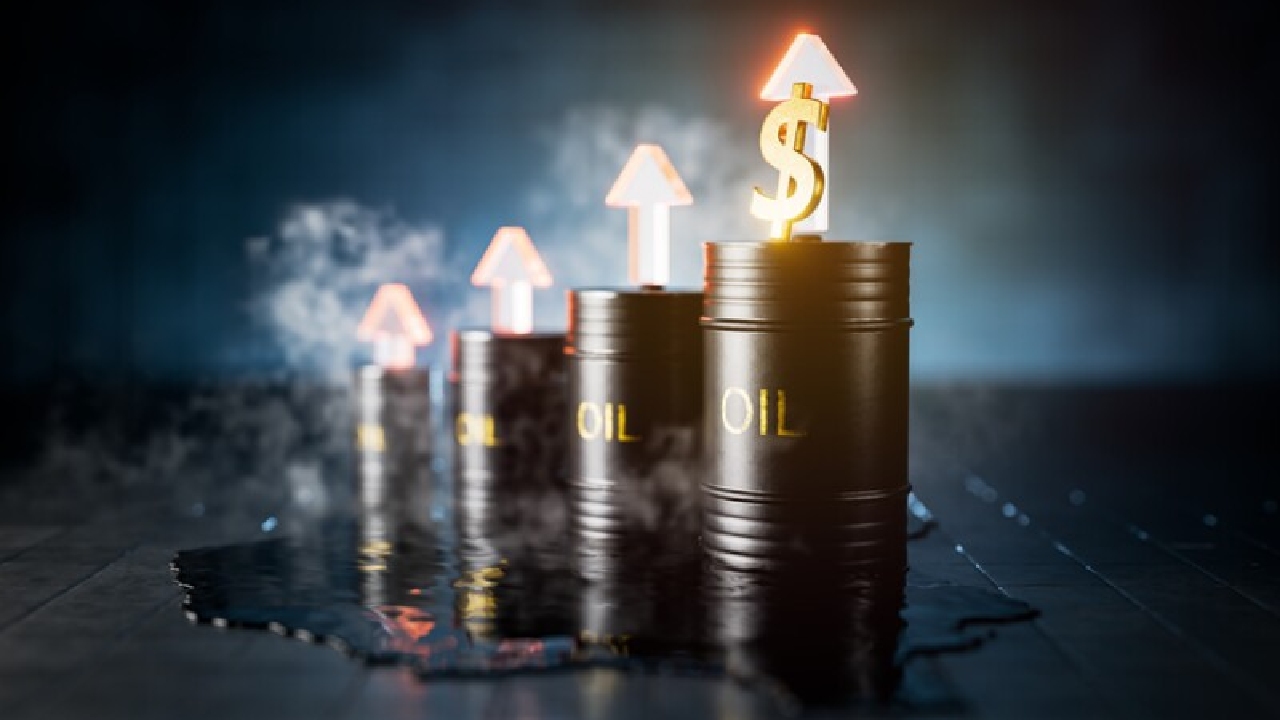
It has been a month now, and West Asia is still burning — along with the precious oil that fuels economies and provides cooking gas for the common man. The impact of the West Asian crisis is reaching far and wide, and its heat can be felt back home. India is particularly vulnerable, given its almost total dependence on imported oil and gas, and a vast pool of diaspora present in Western Asian countries. To take stock of the situation and watch the unfolding conflict closely, the government has established a high-level committee including key ministers such as Amit Shah and Nirmala Sitharaman to recommend interventions to tide over the impact of the shockwaves reaching Indian shores. With India sourcing a significant portion of its oil from the region, any disruption translates into rising fuel prices, inflationary pressures, and strain on public finances. The government’s decision to cut excise duties and support oil marketing companies is an attempt to shield consumers while ensuring an uninterrupted supply. But it does not stop at energy scarcity; it has a ripple effect on the economy as a whole, as rising oil prices raise the overall cost of freight, reflected in higher prices of goods consumed on a daily basis, especially eatables. The Indian stock market is clearly reeling under pressure and showing signs of anxiety as the key indices take a turn downwards. Besides, trade routes, shipping insurance costs, and currency fluctuations could further complicate India’s external sector. To add to the woes of the common man, there is an ongoing rumour that the government might enforce another lockdown to keep things under control.
Such rumours only increase anxiety and trigger panic reactions from people buying and stocking essential goods, which further adds to scarcity and leads to spiralling prices. Thankfully, the Finance Ministry’s reassurance against panic measures like lockdowns is helping to maintain market confidence and public calm. Another critical dimension is the safety of the Indian diaspora in West Asia. Millions of Indians live and work in the Gulf region, contributing significantly through remittances. Escalating conflict raises concerns about their security and potential evacuation challenges, reminiscent of past crises. Though so far they are safe, the government must mull a contingency plan for their evacuation should things worsen.Strategically, India must walk a tightrope. India has been a neutral country and maintains strong ties with Israel while also engaging Iran for energy and connectivity projects like the Chabahar Port. Simultaneously, its partnership with the United States makes its position precarious. It cannot definitively side with one party and condemn the other, and that ambiguity is dangerous for Indian interests.
In this situation, India must further diversify its energy sources, accelerate investments in renewables and explore alternative suppliers. The government must communicate to the public in clear terms what steps it is taking so as to prevent panic. Finally, India must proactively advocate for de-escalation and stability in the region and get involved in the space that is now being taken up by Pakistan.