War destroys childhood long before it ends
One of the earliest lessons I learnt as a student of journalism is that not every piece of news that we read has the same impact on our nervous system. What decides the shock value of an event — no matter how tragic or distressing — is its proximity to our lives. That which transpires closer home will hurt us more than that which happens in a distant territory.
Events, no matter how dastardly, that happen in lands we have only seen on the atlas remain just bad news which we gloss over with a click of tongue to express disapproval and a sigh of relief that we are far removed from those ugly realities. That simple theory of proximity returned to me recently as I was getting worn to the bones with the goings-on in the region that I live in — the middle east.
For those who are bearing the direct brunt of the lunacy currently governing the world, the odds of waking up to a new day has become a matter of luck. For us here, close to the epicentre, the threat now isn’t as immediate; it is a simmering uncertainty about how life would pan out in the weeks and months ahead; of not knowing if the semblance of normalcy is for real or if time has reserved some cruel surprises for us. With each day that passes without a settlement, the questions looms — will we get through this unscathed? The rest of the world is only getting mild feelers about the inconveniences the situation might cause if it spirals or naggingly drags out.
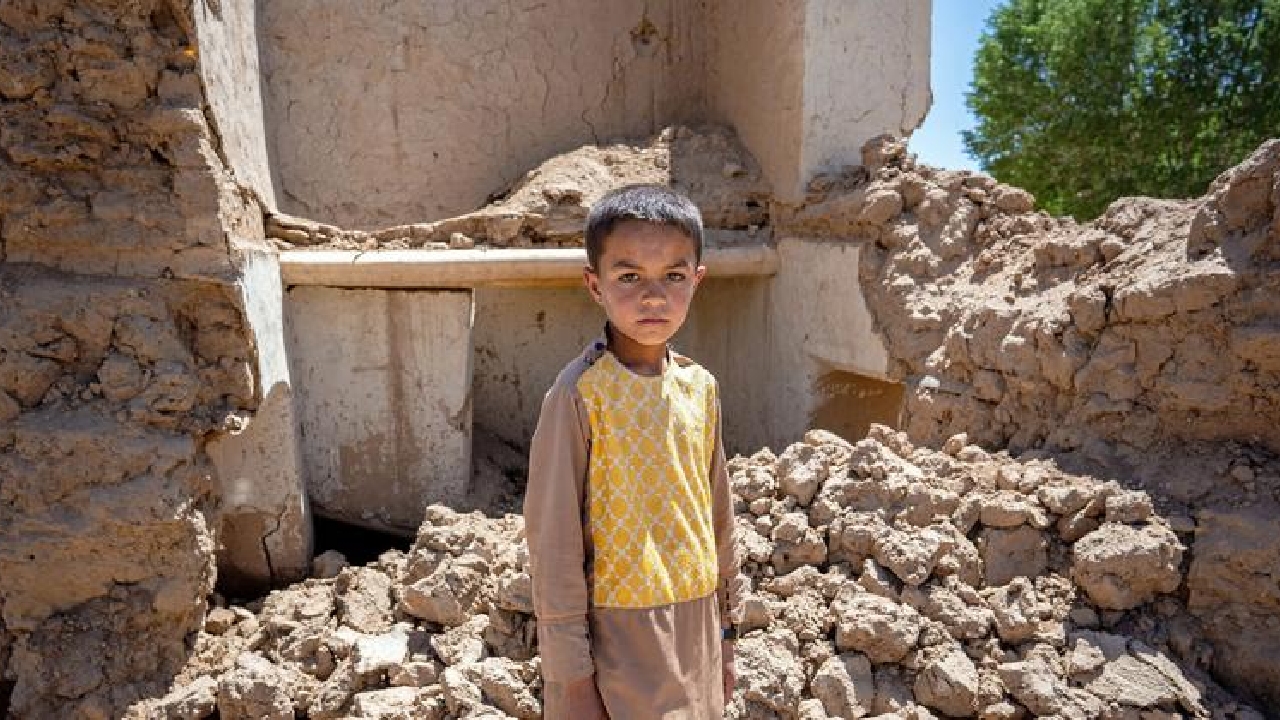
And this is only the big picture of a crisis that has many facets. In the midst of death, destruction and displacement that wars and armed conflicts cause, there is one segment of the population — so vulnerable and hidden from the glare — that not many have spared a serious thought to. It is almost as if their existence doesn’t even deserve consideration on the negotiation tables. Children.
Every time there is an armed conflict anywhere in the world, the images of children paying the price in the currency of lives, limbs, family, education, food and the right to dream about a safe future fill me with uncontainable grief. These children are incapable of political sabre-rattling and rhetoric. They have no defences of their own. All they have is a bleak future and experiences that will leave them scarred for the rest of their lives if they survive the conflict they do not even understand. When adults — armed to the teeth and often bereft of logic and sensibility — fight over land, ideology, power or revenge, they are not merely disrupting world orders; they are interrupting fledgling futures, dismantling cradles and thwarting tender dreams and desires. In many cases, children are even drawn into war zones as child soldiers, with no freedom to choose their futures. Their inability to resist makes them hapless victims of a desensitised adult world.
This piece is not about geopolitical dynamics or power equations. It is about empathy and emotions, and about what the future holds for the young ones caught up in these gruelling times. We have an obligation towards them.
Filling fear in their eyes and hunger in their stomachs is cruelty, and no adult can be absolved of this crime. As one young mother told me, “I am not scared for myself. I am deeply worried for my children and praying for their safety.” That prayer lives in every mother’s heart wherever unrest rules — often hushed by bombs and bullets, yet still waiting to be answered.
The writer is a Dubai-based author, columnist, independent journalist and children’s writing coach; views are personal