The unfinished promise of equality
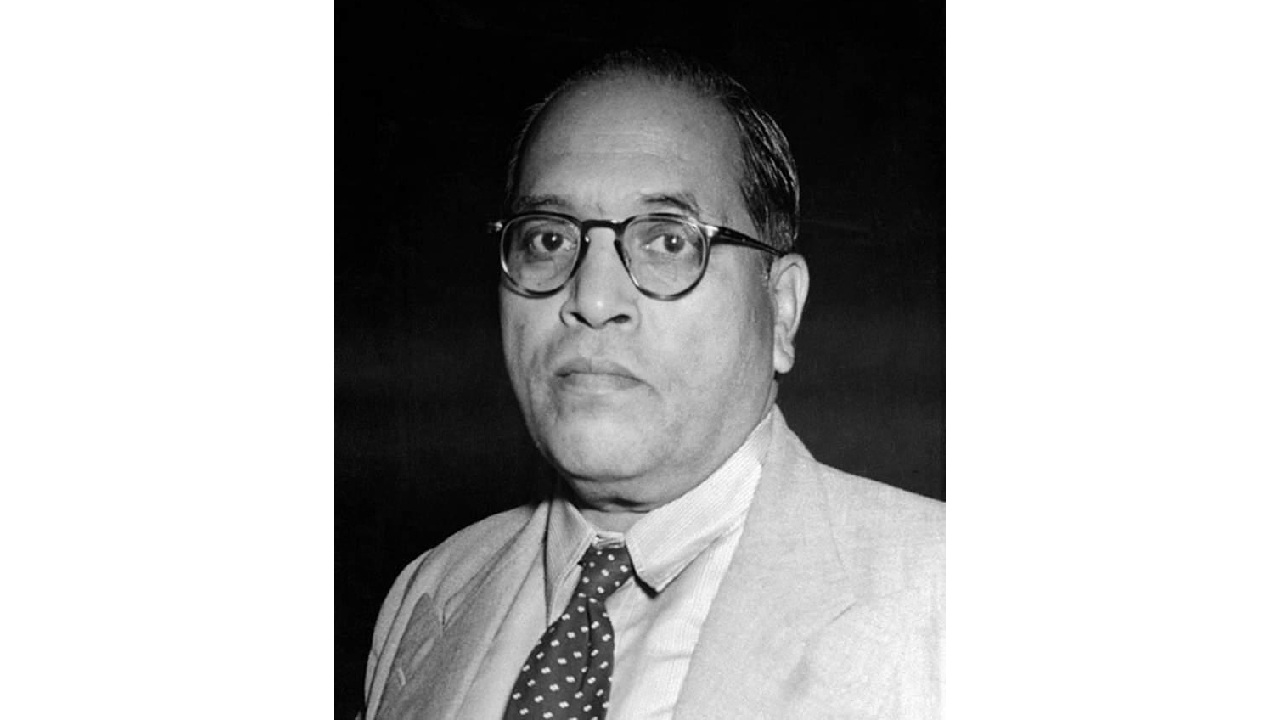
“Political democracy cannot last unless there lies at the base of it social democracy”; these were the prophetic words of BR Ambedkar, the architect of the Indian Constitution. As India marks his 135th birth anniversary, his dream largely remains unfulfilled. After nearly eighty years of independence, India is still fragmented and layered, where caste hierarchies have transformed but not disappeared. Castes have taken on political and social dimensions and have consolidated their presence as identities that define the present-day political scenario of the country. Political parties, for their part, have often supported caste structures rather than making concerted efforts to dismantle them-distributing tickets on the basis of caste, allocating influential positions to appease dominant groups, and even openly declaring their intent to support the aspirations of the castes that back them.
To add yet another layer of complexity, religious and regional identities have grown increasingly pronounced. Vote-bank politics and the polarisation of masses along these lines have only worsened the situation. This is not to say that Ambedkar’s dream has faded; it has not-only that it currently finds few committed takers, as electoral gains and power politics cloud the vision of political actors.
That said, despite these challenges, the Constitution of India remains the anchor of Indian democracy and has withstood the vagaries of time. Ambedkar consistently maintained that true democracy would not be possible without equality. In a society that does not honour individual dignity and tolerates deep divisions, democracy will always remain fragile. While the Constitution provides a legal framework, the principle of equality must permeate society. It guarantees fundamental rights, abolishes untouchability, and lays the groundwork for advancing equality.
The social system is changing, but the pace remains slow. Ironically, contemporary politics has not made sustained efforts to dismantle entrenched inequalities. More than seven decades on, there has certainly been progress, yet much remains to be done. India has achieved significant advances across sectors, but social inequalities persist. Hierarchies, discrimination, and exclusion continue to act as barriers to national progress. There have been some efforts to bring about change. Government initiatives aimed at social justice and inclusion-such as scholarships for Scheduled Castes and Tribes, digital literacy programmes, skill development missions, and housing schemes-reflect attempts to expand opportunities. Yet, the true tribute to Ambedkar must be measured in outcomes-whether the most marginalised experience a genuine sense of belonging and empowerment. Ambedkar did not seek charity for the oppressed; he demanded justice. On his 135th anniversary, the challenge is to move beyond ritual remembrance and undertake the unfinished task of social transformation. Only then can India truly fulfil Ambedkar’s vision — a nation where democracy is rooted in equality and shared dignity.