The Unbecoming: Learning the art of letting go
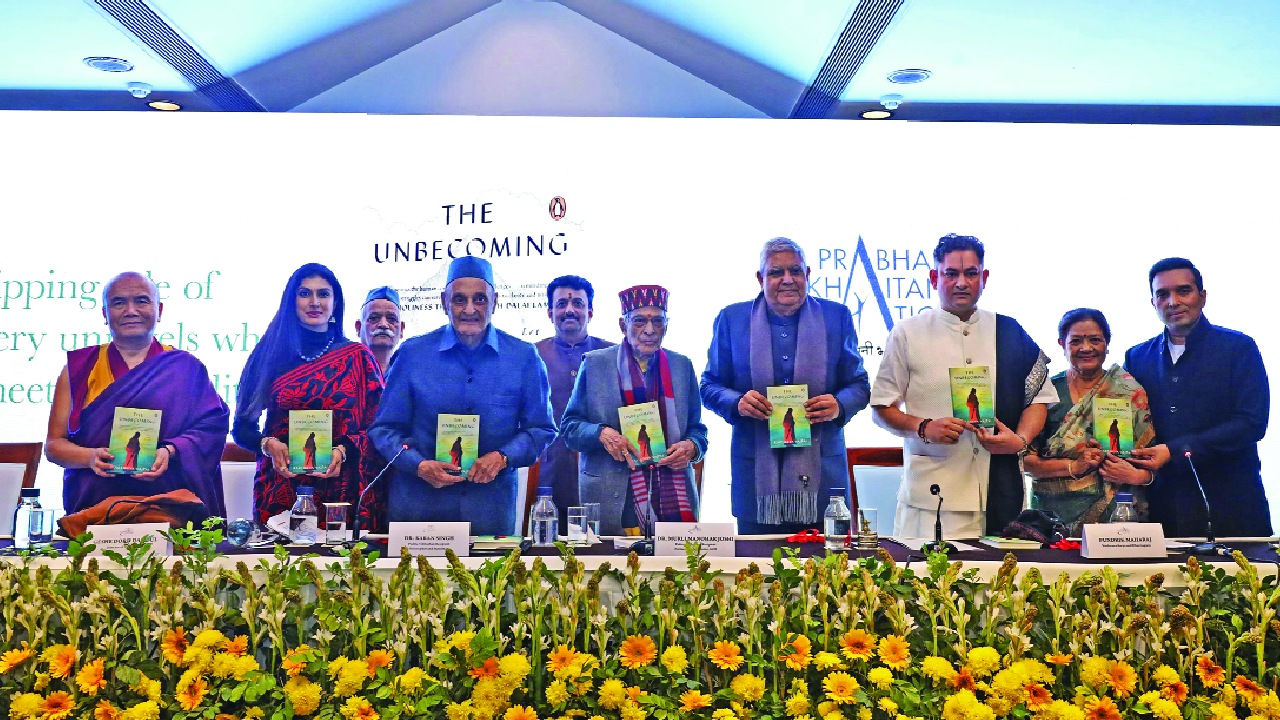
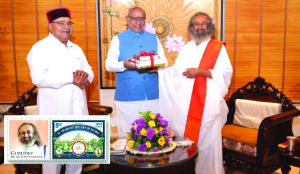
Debut novelist Kartikeya Vajpai unveiled his book, The Unbecoming, at an event organised by the Prabha Khaitan Foundation under its book-launch initiative, Kitaab. The event, held in New Delhi, brought together an eminent gathering of thinkers, writers, scholars, and readers, creating an atmosphere of quiet contemplation that resonated deeply with the spirit of the novel. The launch was graced by the august presence of Padma awardee Dr Karan Singh, former Union Minister Dr Murli Manohar Joshi, and Geshe Dorji Damdul, Director of Tibet House. Former Vice-President of India, Jagdeep Dhankhar, was also among the distinguished attendees.
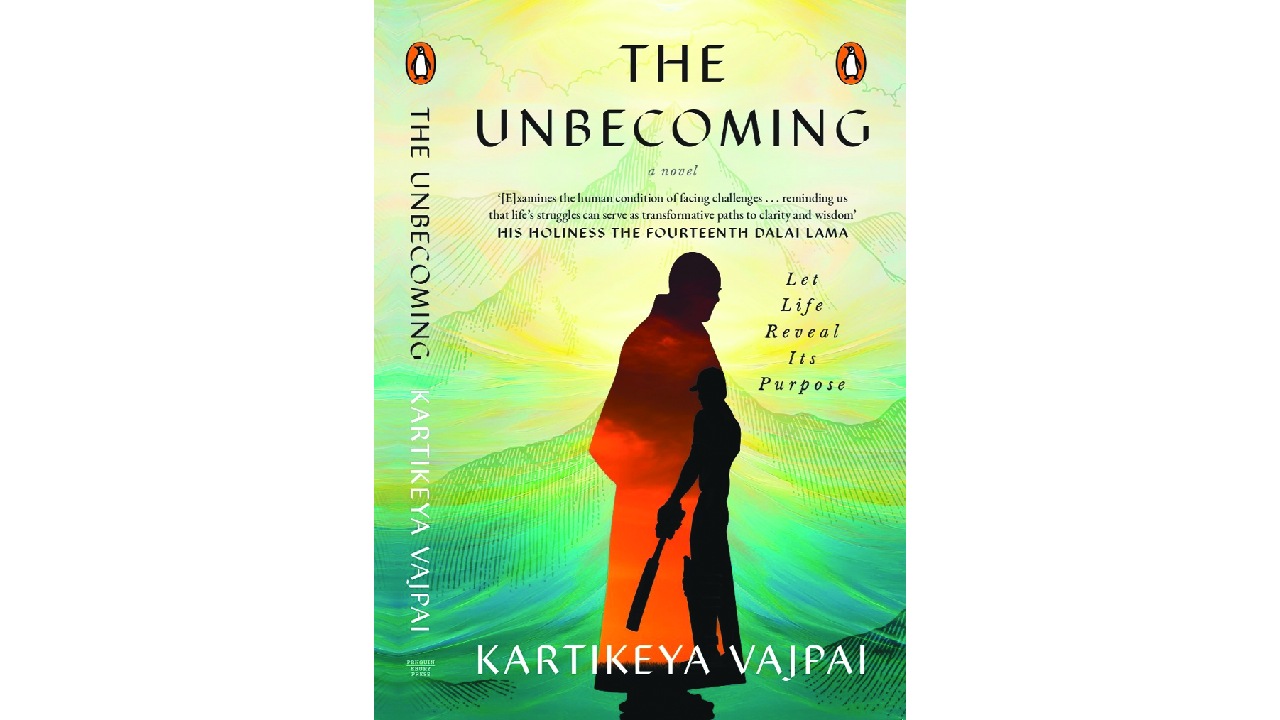
The Unbecoming arrives with forewords by His Holiness the Dalai Lama and Swami Sarvapriyananda — an endorsement that underscores the book’s philosophical depth and spiritual inquiry. At its core, the novel is a contemplative exploration of identity, ego, and inner freedom, woven through a deeply human narrative.
Speaking at the launch, Kartikeya Vajpai reflected on the central premise of his work. “The Unbecoming is rooted in the understanding that much of our suffering comes from clinging to identities shaped by fear and expectation,” he said.
Dr Karan Singh, reflecting on the novel, drew attention to its resonance with India’s long philosophical tradition. “People often ask whether it is possible to combine public life with spiritual life,” he observed. “It is indeed possible, provided one has a deep commitment to both the inner self and one’s outward responsibilities. Kartikeya has brought these dimensions together with remarkable sensitivity.”
The narrative centres on Siddharth Kapoor, once celebrated as the golden face of Indian cricket. After a meteoric rise, Siddharth’s world collapses under the weight of repeated defeats, exposing the fragility of his confidence and the hollowness of the identity he has carefully constructed. Stripped of public adulation, his only path forward leads him back to Ajay Goswami — the legendary coach he once abandoned in anger — now living a life of austere seclusion in McLeod Ganj. What follows is not a conventional story of redemption but a quiet reckoning. Siddharth must confront his ego, mend a broken guru-shishya bond, and accept an unsettling truth: genuine renewal demands the surrender of the very self that once brought him fame.
Rather than relying on dramatic twists, The Unbecoming unfolds inwardly. Its power lies in emotional nuance, psychological tension, and the slow erosion of certainties we often mistake for identity. Vajpai’s characters are not idealised; they are conflicted, vulnerable, and profoundly human. Growth in this novel is nonlinear, marked by doubt, loss, and silence rather than triumph. The title itself is emblematic — not of failure, but of necessary undoing: the painful yet liberating process of becoming less of what the world demands and closer to what the self truly requires.
Ultimately, The Unbecoming does not tell readers who to become; instead, it asks what they must first let go of. Introspective, restrained, and quietly unsettling, the novel will resonate deeply with readers drawn to psychological fiction and philosophical inquiry. The book leaves readers with a question: what must we release before we can truly live? The journey at its heart is not about reclaiming lost fame, but discovering the hollowness beneath it. In learning to unlearn, the protagonist discovers a freedom no victory ever offered. As mentor and student meet again in humility rather than ambition, the story reminds us that renewal comes not from adding more to life, but from shedding what no longer serves us. In its stillness, the novel invites us to pause, reflect, and recognise the subtle art of becoming by unbecoming.
(The writer is a Senior Editor with The Pioneer); views are personal