The illusion of peace amid ongoing conflict
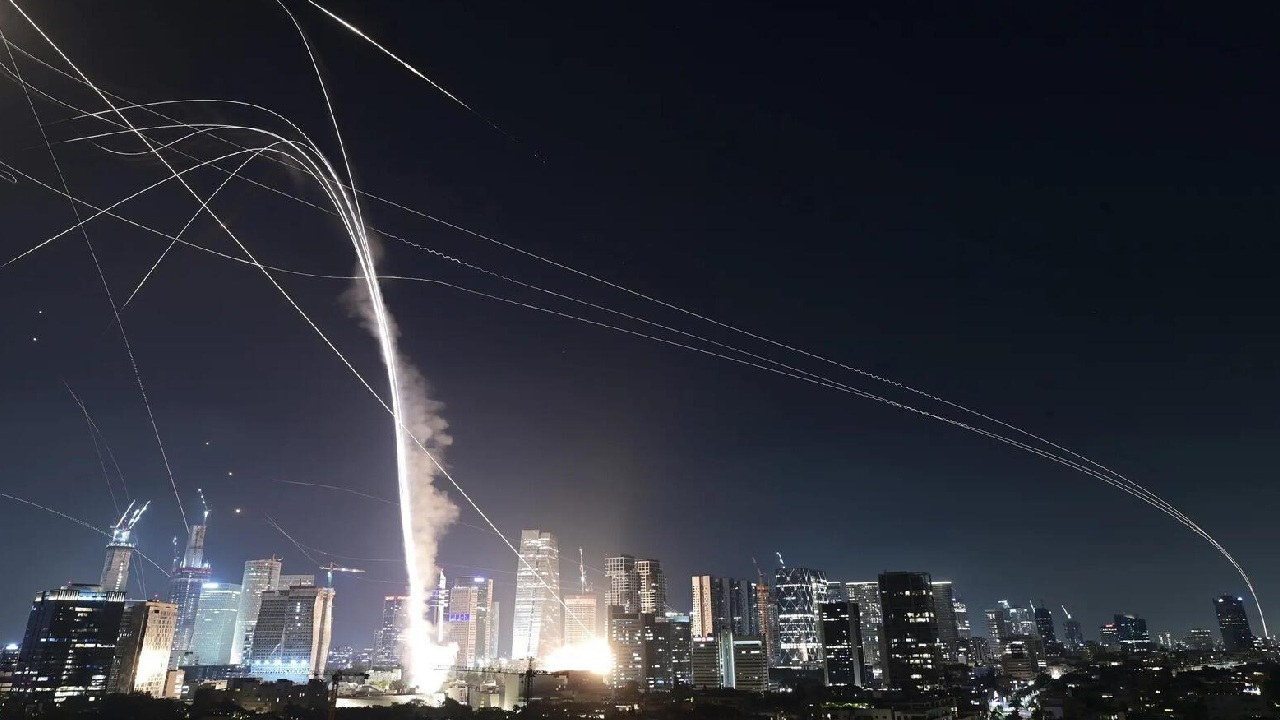
We are into the second day of the so-called truce in the Middle East, touted as victory by all who lobbed bombs into the other man’s territory with impunity and disregard for more than a month. On Wednesday — Trump’s “big day for world peace” — hundreds were slaughtered and wounded in Lebanon, and just before I started writing this column, I heard three explosions behind me, echoing from interceptions in some part of the city.
Two nights ago, when the world was pushed to the brink, with no clue about what the morning would bring, when alarm clocks were set to the deadline in these parts and people sprang up to read the breaking news, one could at once hear a collective sigh of relief from every window across the globe. But two days later, what was perceived to have been achieved seems more illusory, and I am forced to redefine the lexicons involved: ‘Truce’ and ‘ceasefire’ do not necessarily mean peace.
Whoever believes this is a pivotal point in the proceedings that only got more and more complicated with each passing day has to be delusional. And at this moment, the world probably chooses to be so, because respite and resolution often depend on how you respond to a situation than how the situation itself unfolds. The markets rallied instantly and oil prices dipped. We boosted ourselves with the thought that the worst is over now, and life will jig back to normalcy in a jiffy - as soon as the word ‘ceasefire’ rang out from the portals of the White House. As if, in two weeks, a blustering world leader out to pilfer other nations’ wealth, his crony whose dictionary doesn’t contain the word ‘truce’, a hardline theocratic regime that refuses to give up, and its regional proxies will all sit down at a banquet and declare: let’s be friends and get on with life and business.
Nothing that has happened in the past two days points at a resolution that will guarantee lasting peace. This is not a nihilistic prophecy. It is what a rational mind can conclude considering how divergent the demands on either side are, how all stakeholders and the impacted parties in the Gulf region are excluded from the ‘closed door’ talks, how there has been blatant violation of the promise to hold fire and how the language itself has changed - Lebanon is not included in the deal, and so, Israel retains the power to pound them with any device of ruin.
“Truce” has become a hollow word-offering peace selectively while violence continues elsewhere. Peace cannot be dispensed in pieces. It cannot arrive in barrages of bombs. It cannot happen overnight with overblown claims of victory. What we now have is an uneasy calm punctured by sporadic attacks continuing in the Gulf countries, which we are persuading ourselves to believe as impending peace. Because the mind wants reassurance, even if it is chimerical and fleeting.
For now, there is cautious optimism that may hold for a short while-a brief psychological relief that something is in the works. Can we expect a viable outcome? Will it be worth the paper it is written on? Given the direction in which the ceasefire has gone, the dominant sentiment is one of scepticism.
It is a war that began without clear-cut objectives and spiralled out of control, leaving the world confused by its shifting narratives. Nothing concrete has been accomplished, despite repeated assertions. How this predicament will be resolved remains uncertain. What, then, was this war about-power, strategy, or simply destruction? The answer remains unclear.
The writer is a Dubai-based author, columnist and children’s writing coach ; views are personal