The feast of the fast
As Navratri begins and kitchens switch to fasting food, a look at the ingredients behind the vrat thali and where they really come from
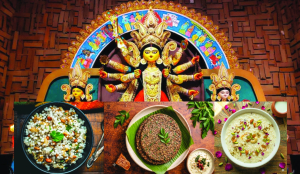
Everyone has been waiting for the pooja, and Navratri is finally here, with lamps lit for the evening aarti and kitchens switching to fasting mode. For nine nights, one for each form of Goddess Durga, many homes put away wheat, rice, lentils, onion and garlic, and even the salt is swapped for sendha namak, a type of rock salt traditionally used during fasting.
Few people stop to wonder where vrat food comes from. Kuttu, which most take for a grain, is the seed of a plant from the rhubarb family; singhara flour comes from a nut that grows underwater in ponds; samak is a millet that cooks so much like rice that many call it vrat ke chawal; and sabudana is made from cassava, a root that travelled to India from South America.
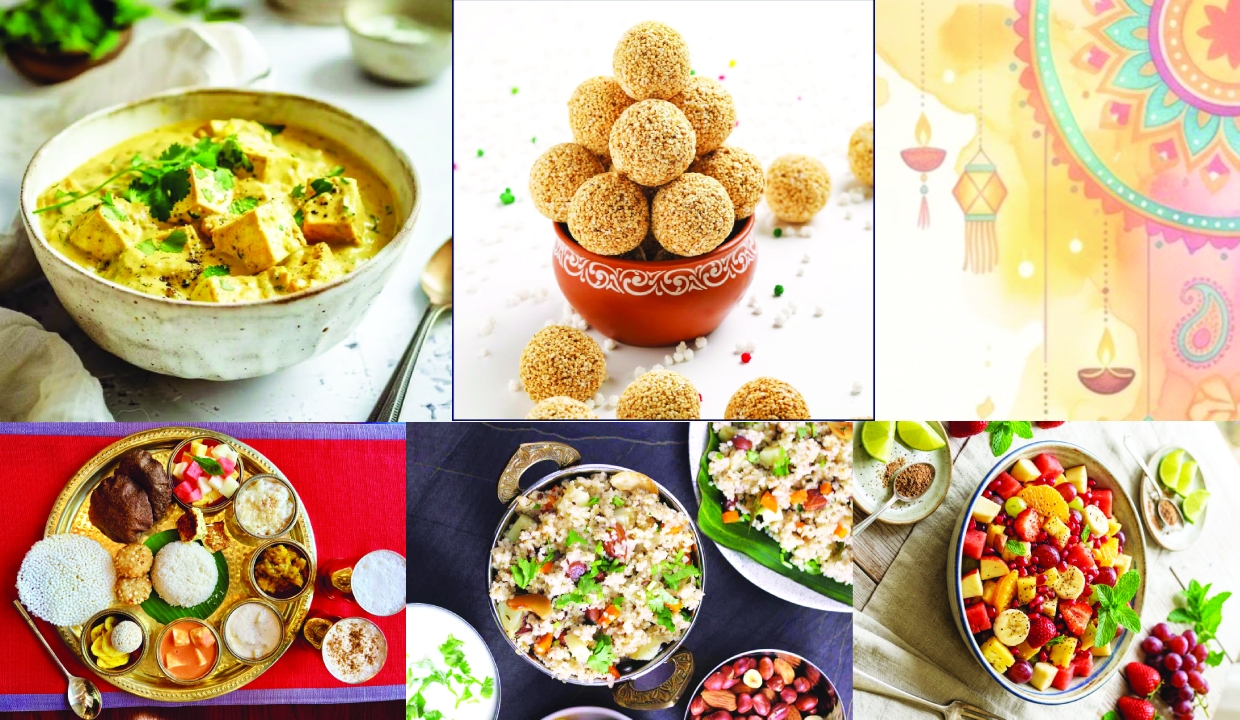
At Food Exchange in Novotel New Delhi Aerocity, Chef Bhupesh Singh builds his Navratri thali around these ingredients. It starts with Phalon Ki Chaat, seasonal fruit with a sprinkle of spices, followed by Aloo Mawa Ki Tikki, crisp on the outside with a soft centre made slightly sweet by the mawa, and Sabudana Ki Tikki, which gets its bite from green chilli and coriander.
The main course features Shakarkandi Khatta Meetha, sweet potato with a mix of tanginess and sweetness, and Paneer Khoya Korma, where khoya gives the gravy the body that onion usually would. Saunf Aur Petha Ki Sabzi is ash gourd, the vegetable Agra turns into its famous petha sweet, cooked with fennel. There is samak too, served as a vegetable pulao or plain with cumin, accompanied by kuttu and singhara puris, cool curd and crisp papads made from sabudana and makhana, the fox nut grown mostly in Bihar’s ponds.
For dessert, there is Sabudana Kheer, the kind many grew up eating at home, its pearls cooked in cardamom milk till they go clear, with nuts on top, and Rajgira Gur Ladoo made of jaggery and amaranth, known in Hindi as rajgira, or royal grain. Eating through a thali like this, the fast hardly feels like a restriction at all.
Sabudana is made from cassava starch. Cassava is a root that came to India from South America, and Salem in Tamil Nadu is the country’s biggest centre for making sabudana
Paneer Khoya Korma
Ingredients:
- Paneer 400 g
- khoya 100 g
- cashews 50 g
- fresh cream 100 ml
- ghee 40 g
- 3 green cardamom pods
- ¼ tsp black pepper
- sendha namak,
- saffron and water as required
Method:
- Heat ghee and gently cook the cashew paste.
- Add khoya and a little water to make a smooth gravy.
- Add cardamom, pepper and sendha namak.
- Add paneer and simmer for 5-7 minutes.
- Finish with fresh cream and saffron-infused water.
- Garnish with coriander or rose petals and serve hot.
Chef’s Insights
“Navratri food is about simplicity, balance and making the most of a few carefully chosen ingredients. This thali brings together familiar favourites prepared with seasonal produce and mindful cooking, while keeping the flavours comforting and celebratory. For me, the essence of Navratri lies in food that is uncomplicated, nourishing and rooted in tradition.” - Chef Bhupesh Singh