Renewing faith under the Krittika Star
Masik Karthigai, especially revered in Tamil religious tradition, is a monthly Hindu observance dedicated primarily to Lord Murugan, also known as Kartikeya, the deity of courage, wisdom and spiritual attainment. Observed each month on the day when the Krittika, or Karthigai, Nakshatra prevails, the occasion is regarded as an auspicious time for offering prayers and seeking divine guidance. Devotees visit Murugan temples, offer prayers, light lamps, recite sacred hymns and observe fasting or dietary restrictions according to local customs. While less elaborate than the annual Karthigai Deepam festival, Masik Karthigai serves as a recurring spiritual reminder of the triumph of wisdom over ignorance, devotion over ego and righteous conduct over dishonesty.
The significance of Masik Karthigai is rooted in ancient Hindu traditions surrounding the Krittika constellation, which occupies a special place in the mythology of Lord Murugan. According to sacred narratives, the divine child born from the fiery energy of Lord Shiva was nurtured by the six Krittika maidens, with whom the name Kartikeya is traditionally associated. Over time, the Krittika star became closely associated with Murugan worship, particularly in South India, where monthly observances developed alongside temple traditions and devotional practices. The recurring appearance of the Krittika star each month came to be regarded as an auspicious occasion for renewing one’s spiritual discipline, expressing gratitude and seeking strength to overcome obstacles.
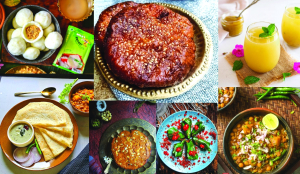
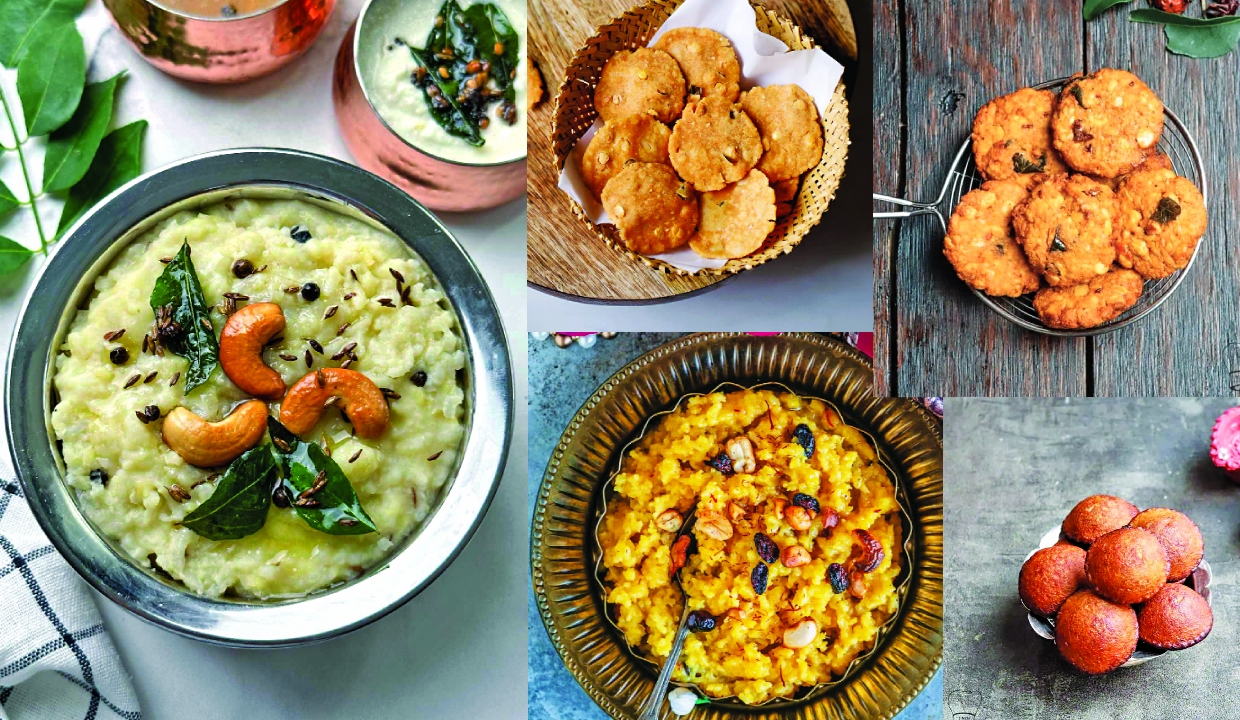
This is why the cuisine of Masik Karthigai assumes civilisational significance even though there is no single rigid menu that every family follows each month. While Karthigai Deepam carries a larger and more elaborate culinary tradition, Masik Karthigai is inspired by the same devotional heritage in a quieter and simpler form. Some homes prepare only one offering, some add a small sweet, others include a light tiffin meal after worship, while a few prepare several dishes connected with Tamil festive cooking. What remains common is the intention. Food is freshly prepared, vegetarian, often sattvic, and offered first in prayer before being shared. As the evening approaches, the kitchen itself becomes an extension of the ceremony. Rice is washed, jaggery is melted, coconut is grated, ghee is warmed, lentils are soaked, sesame is roasted, curry leaves crackle in hot oil, and ordinary ingredients are transformed into nourishment rooted in inherited recipes.
Among the most loved offerings associated with the Karthigai tradition is pori urundai, a sweet made from puffed rice and jaggery syrup. Its beauty lies not only in its simplicity, but also in the skill required to prepare it well. Light and airy puffed rice is folded into dark, hot jaggery syrup and shaped quickly by hand before the mixture cools. It is a dish of timing, touch and inherited instinct, where an ordinary grain becomes a firm, glossy and deeply satisfying round of prasadam. The syrup must reach the right consistency so that the balls retain their shape without becoming hard. Cardamom may be added, and in some homes, small coconut pieces or roasted gram are mixed in for texture. Its presence near the lamp feels natural, since it is humble, golden, sweet and easy to distribute after worship.
Closely related to it are aval pori urundai and nel pori urundai, both of which reflect the agricultural imagination of Tamil homes. Aval pori urundai uses puffed flattened rice, while nel pori urundai uses puffed paddy, giving it a distinct texture and a deeper connection with harvest and grain. Alongside them, families often prepare kadalai urundai, made with roasted peanuts and jaggery, bringing nuttiness and strength, or ellu urundai, made with sesame seeds and jaggery, carrying the traditional association of sesame with purity and ritual offering. Together, these urundais show how a small handful of ingredients can become devotional food. They are not elaborate in appearance, yet they carry the warmth of the hand that shaped them and the memory of homes where such recipes are learnt by watching elders rather than by reading measurements.
The appam family gives Masik Karthigai another layer of sweetness. Nei appam, made with rice flour or soaked and ground rice, jaggery, banana, coconut and ghee, is soft at the centre and gently crisp at the edges when prepared in an appam pan. The ghee gives aroma, the banana gives body, and the jaggery lends depth rather than sharp sweetness. Sweet appam may be made in slightly different ways across households, sometimes with wheat flour, sometimes with rice flour, and sometimes with an added touch of cardamom or dry ginger. Vellai appam, though milder and often less sweet, holds its own place in the wider Karthigai spread. In these appams, the fragrance of ghee, jaggery and rice flour fills the house even before the lamps are lit, making the act of cooking itself part of the evening’s devotion.
Another cherished preparation is adhirasam, one of Tamil cuisine’s most respected traditional sweets. Made from rice flour and jaggery, its preparation requires patience and experience. The rice is soaked, dried and powdered, the jaggery is melted into syrup of the desired consistency, and the dough is rested to give the sweet the right texture. When flattened and fried, adhirasam becomes dark, fragrant and slightly chewy, with a taste that belongs unmistakably to religious events, weddings and household festivals. It may not be made every month for Masik Karthigai, but when it appears, it brings the weight of tradition with it. A simpler but equally symbolic offering is maa vilakku maavu, a sweet flour mixture made from rice flour and jaggery, shaped into a lamp with a hollow centre. Ghee is poured into it, a cotton wick is placed within it, and the lamp is lit for prayer. In this striking preparation, food and flame become one. After worship, the sweetened flour is broken and shared as prasadam, turning the lamp itself into nourishment.
The sweet offerings are extended through payasam, paal payasam and sakkarai pongal, each carrying a different mood of abundance. Payasam may be made with rice, moong dal, vermicelli or aval, simmered with milk or coconut milk, sweetened with sugar or jaggery, and finished with cardamom, cashews and raisins fried in ghee. Paal payasam is gentler, made with milk and rice slowly cooked until creamy, with sweetness kept soft and devotional. Sakkarai pongal, prepared with rice, moong dal, jaggery and ghee, is richer and more festive. The dal gives body, the jaggery gives warmth, and the ghee carries the aroma of cashews, raisins and cardamom through the dish. In the context of Masik Karthigai, these dishes remind us that sweetness in Indian ritual food is rarely only indulgence. It signifies auspiciousness, gratitude, and the wish that the household remain nourished in both body and spirit.
Yet the cuisine of the day should not be seen only through sweets. Savoury preparations are equally important, as prayer is often followed by an evening meal. Milagu adai is one of the most distinctive savoury dishes associated with Karthigai cooking. Made with rice, lentils, black pepper, cumin, curry leaves and sometimes coconut, it is thicker than dosa and more rustic in character. The pepper gives heat, the lentils provide strength, and the crisp edges contrast with the softer centre. It is often eaten with butter, jaggery, coconut chutney or a simple accompaniment. In a spread otherwise rich with jaggery, rice flour and ghee, milagu adai brings balance. Its peppery warmth gives the meal depth and reminds us that sacred food is not always soft or sweet. It can also be robust, grounding and deeply satisfying.
Other savoury dishes bring variety to the table. Thattai, a crisp rice flour snack seasoned with urad dal flour, sesame seeds, curry leaves, asafoetida and sometimes chana dal, is fried until golden and brittle. Its sharp crackle offers contrast to the softness of appam and the chewiness of adhirasam. Vadai, especially ulundu vadai, is also prepared in some homes as an offering or as part of the evening meal. Made from urad dal batter, shaped with a hole in the centre and fried until crisp outside and soft within, it carries the familiar taste of Tamil temple prasadam and household celebration. Sundal adds a healthier and simpler savoury note. Chickpeas, black chana, green gram or cowpeas are soaked, cooked and tempered with mustard seeds, curry leaves, asafoetida, green chilli and grated coconut. It is light, protein-rich and easy to offer, making it well suited to a monthly observance.
Rice preparations complete the meal in many households, especially when the family prefers a proper dinner after prayers. Ven pongal, made with rice and moong dal, tempered with black pepper, cumin, ginger, curry leaves, cashews and ghee, brings warmth and comfort. Lemon rice offers brightness through turmeric, lemon juice, mustard seeds, curry leaves, peanuts and chillies, while coconut rice brings a gentler flavour through fresh grated coconut, cashews, urad dal, chana dal and curry leaves. Curd rice, cooled with yogurt and tempered lightly with mustard, ginger and curry leaves, often becomes the final dish, calming the palate after sweets and fried snacks. These rice dishes show how the meal moves from offering to nourishment, from the sweetness of prasadam to the fulfilment of an everyday meal made special to honour the occasion.
To this repertoire are added dishes that sit comfortably between sacred offering and familiar Tamil home food. Puliyodarai, or tamarind rice, may be prepared in some homes, carrying a deep tangy flavour created from tamarind, sesame oil, roasted spices, peanuts and curry leaves. Kozhukattai, though more strongly associated with Ganesha worship, may still appear in Tamil homes as a steamed rice flour dumpling filled with coconut and jaggery or with a savoury lentil mixture, depending on family tradition. Paniyaram, made from fermented batter and cooked in small moulds, may be prepared sweet with jaggery or savoury with chillies and curry leaves, though onion is avoided in stricter ritual homes. Vella seedai, small jaggery-sweetened rice flour balls, and uppu seedai, their savoury counterpart, can also be part of the festive kitchen when families want crisp offerings that can be stored and shared. Through these dishes, Masik Karthigai becomes not a fixed menu but a living tradition that adapts to region, household memory and the degree of observance.
Beverages on such days are usually simple, cooling, warming or gently restorative. Panakam, made with jaggery, water, dry ginger, cardamom and sometimes lemon, is valued for its ability to refresh while retaining sacred simplicity. Neer mor, or spiced buttermilk, prepared with diluted curd, curry leaves, ginger, green chilli, asafoetida and coriander, balances the fried and sweet elements of the meal. In some homes, warm paal, or milk, may be offered and later served, especially to children and elders. Sukku coffee, made with dry ginger, black pepper, coriander seeds and palm jaggery, brings warmth to the body and is popular in Tamil households as a traditional digestive drink. The day may also end with South Indian filter coffee, not necessarily as a ritual beverage, but as part of Tamil hospitality, offered after the lamps have burned steadily and the family has gathered around the evening meal.
What makes the cuisine of Masik Karthigai meaningful is not the number of preparations alone, but the way each dish forms part of a larger discipline. Lamps are cleaned, wicks are prepared, rice flour is measured, jaggery is melted, and offerings are arranged with care before they are tasted. Children learn that food is not always consumed immediately, that it can first be offered to the divine in thanksgiving and gratitude. Elders remember recipes passed down through generations, and the act of sharing prasadam after prayer creates a bond between age groups. Taste becomes memory, and memory is transformed into living culture.
Masik Karthigai ultimately reminds us that heritage survives when it is practised, not merely remembered. The lamp may be small, the offering may be simple, and the meal may be prepared within the quiet space of a home, but together they carry the weight of an ancient cultural inheritance. Through pori urundai, adhirasam, maa vilakku maavu, milagu adai, sundal, ven pongal, payasam and the many dishes prepared with devotion, families pass on more than recipes. They pass on discipline, gratitude, faith, memory and identity through taste. It is my belief that these traditions must be consciously preserved by cooking them, explaining them and sharing them with the next generation. A child who tastes prasadam, watches a lamp being lit, and learns why food is first offered before it is eaten receives a living lesson in culture. If we wish our civilisational heritage to endure, we must keep it alive not only in temples and texts, but in kitchens, dining spaces and family conversations. Masik Karthigai calls upon us to preserve this sacred continuity, so that the light of devotion and the taste of tradition continue to guide generations yet to come.
The writer is Secretary, Cuisine India Society; Views presented are personal.