Celebrating the soul of Odia cuisine
Will Odisha’s fiercely guarded temple recipes vanish completely, or can this brilliant luxury dining revival save an ancient culinary heritage?
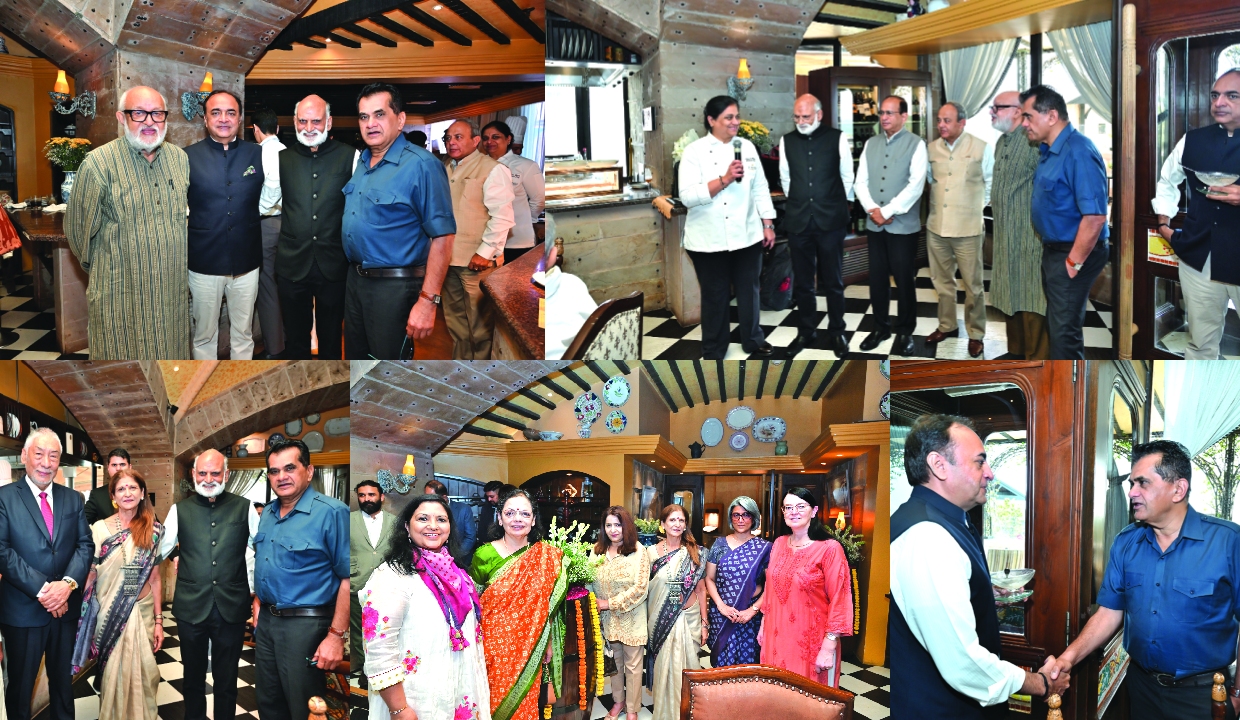
If you are looking for the actual beating heart of Indian slow cooking, you have to look far beyond our glossy modern city setups and trace your way down to the eastern coastline, where generations of Odia temple cooks have spent centuries tending to massive, roaring wood fires. These unseen masters possess an almost stubborn patience, willing to stand through the blistering heat just to catch that exact, split-second moment when raw mustard oil finally breaks into a sharp, fragrant smoke, knowing exactly how to coax impossibly deep and complex flavors out of nothing more than a pinch of panch phoran. Yet, despite this incredible heritage, you seldom see these fiercely guarded regional plates on a five-star menu, which is exactly why the Cuisine India Society decided to step in and bring this ancient gastronomy straight into the luxury setting of ITC Maurya in New Delhi.
“Between traditions and new innovations, we aim to explore and celebrate Indian food as culture and medicine, showcasing India’s rich culinary diversity to the world,” noted Anil Rajput, Secretary, Cuisine India Society.
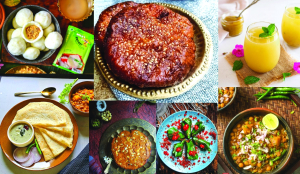
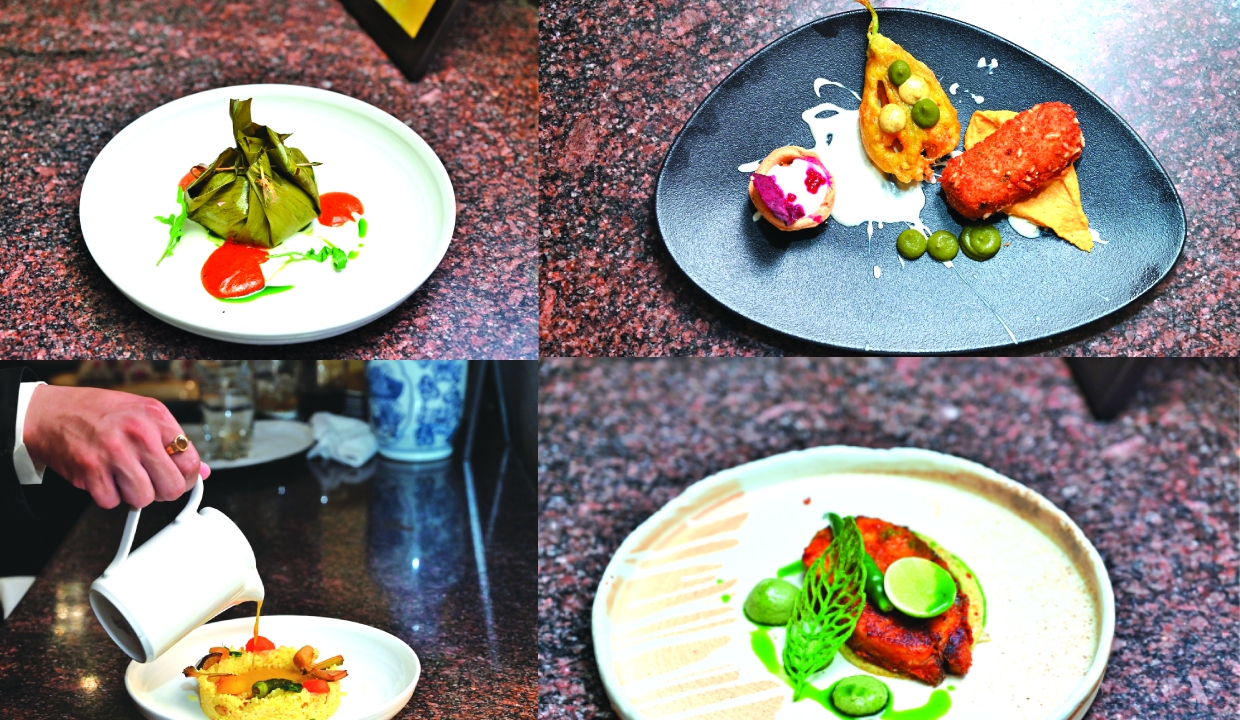
The kitchen rolled out a massive spread anchored strictly in regional eating habits. Guests moved naturally from eka-patra bhojana (meal in a bowl) into the mukhya khadya (main course) before reaching the mithana (desserts). Every plate left guests craving the next. The Pakala Bhath, a cooling fermented rice staple, brought instant relief just as it has for generations. Badi Chura tartlets packed a serious punch of garlic and sun-dried lentils. In the Chilika Chingudi Jhola, fresh prawns bobbed in a fragrant coastal broth. The heavier courses followed suit. Machha Besara skewers offered charred fish coated in sharp yellow mustard, while the bamboo-infused mutton chops released an aromatic cloud of wood smoke the second they hit the table. Dinner finished with petite Chenna Poda. This baked cottage cheese classic came bathed in a dark pool of nolen gur.
Corporate Chef Manisha Bhasin knew the weight of working with such historic recipes. “I’m not from Odisha myself, but the menu was shaped by expert Odia chefs — our focus was keeping the flavours true while making them accessible to modern palates.”
Experiencing food like this matters. Society constantly watches brilliant traditional artists get pushed to the margins, leaving true masters of their craft with zero stage left to stand on. Seeing these ancient temple recipes command a packed, luxury dining room is a massive win for preserving cultural heritage. It proves that Odisha’s history remains alive, loud, and incredibly delicious.
The Cuisine India Society brings the roaring wood fires and complex coastal flavors of Odisha straight to New Delhi’s luxury dining