Why mass movements matter — and why they often fade away
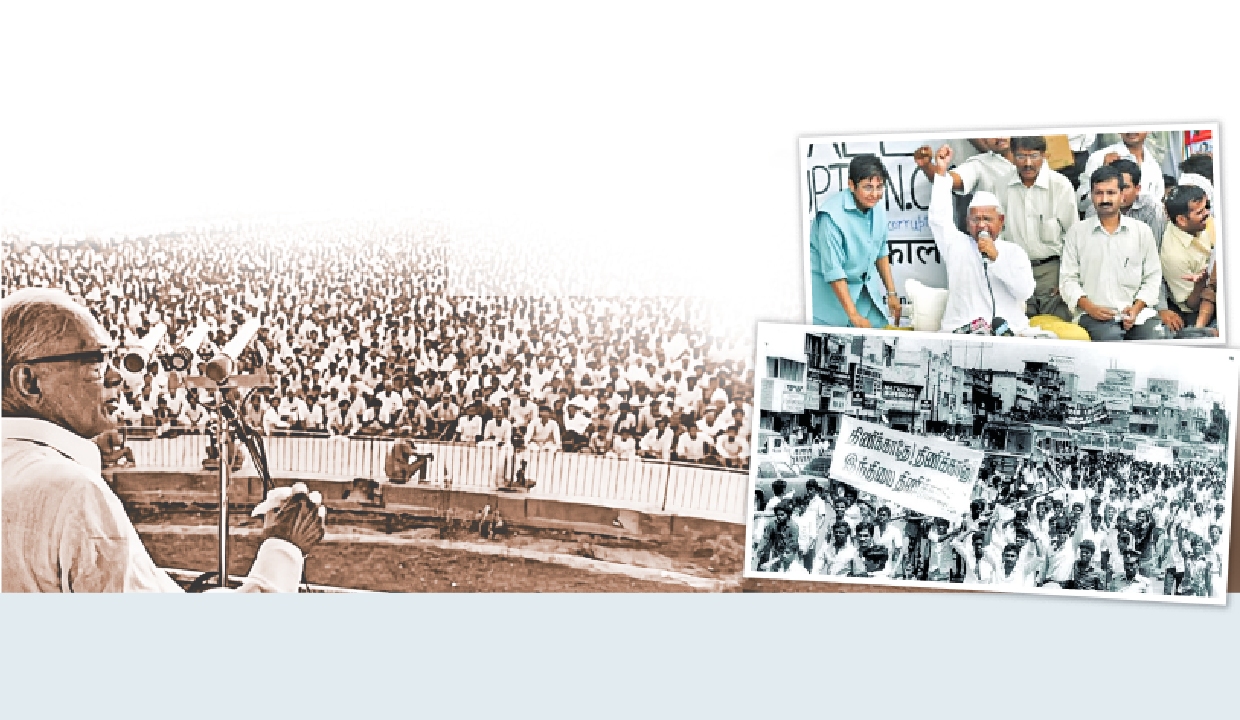
Any mass movement is born out of frustration and deep distrust with the system: When the genuine grievances and hardships of the people go unheard while the people in power look the other way, people find themselves shouting slogans on the streets. That is the making of a mass movement. India and the world has seen several mass movements that shaped the world as we know it today — from India's freedom struggle and the American civil rights movement to people's resistance to apartheid. Mass movements are necessary because they create pressure that established systems often resist. And when power does not listen, people have to shout at the top their voice.
Yet, many mass movements eventually lose momentum, often causing chaos and confusion and disrupting society without rectifying the problems they set out to confront. Without a coherent ideology and systematic plan of action, the movement die their own death without bringing about the change they sought. Once immediate goals are partially achieved, enthusiasm tends to wane. Internal divisions, leadership rivalries, ideological differences, and the absence of a clear long-term roadmap weaken solidarity. Another challenge lies in collective emotions: anger and hope can ignite a movement, but they are insufficient to sustain it. Institutions, organisations, and patient political engagement are required to convert street protests into enduring change. However, the history of social change suggests that while movements may fizzle out, their ideas rarely disappear. They leave behind altered public consciousness, inspire future generations, and plant seeds that may bloom in another era. After all, political systems are works in progress!