Leave prejudice to live
To truly know anything, even our own selves, we must experience each moment with an open mind
Children, we regard some people as good, and brand some as good for nothing. After some time, we will say that those very people we had earlier praised as good are bad, and those whom we had dismissed as good for nothing are friends we can trust.
Thus, our opinions and outlook keep changing. How does this happen? The main reason is that we lack true knowledge. We accumulate sufficient information about the body and the external world. But we know nothing about our own mind; we know nothing about ourselves. Prejudging everything has become a habit with us. If we approach everything with preconceived notions, we will not have real knowledge about anything. We should be able to see everything as it is. We should learn how to look upon everything with an open mind. Only then can we see what is true.
This world - objects, people and all - is constantly changing. The person we saw yesterday is not the same today. Whenever someone goes to a tailor to get clothes stitched, the tailor will retake the measurements. He doesn't think, "I already measured him last time." The tailor knows that the person's size and tastes can change.
We should have this kind of outlook when we interact with others. A person's character and attitude towards us can change any moment. Today's enemy can be tomorrow's friend. Today's friend can also be tomorrow's enemy. We should be able to look upon people with an open mind instead of sizing them up based on our past impressions. There are those who think that acting on preconceived ideas will help them avoid obstacles. Actually, what is needed is alertness, not biases. Prejudging is an unfavourable attitude, and alertness a favourable one. When we prejudge, we miss out on much new knowledge. However, when we act with alertness, we gain further insights. Amma remembers a story. While at home, a man lost his wallet which contained a lot of money. The man, his wife, and their children started searching the whole house. They couldn't find it anywhere. The man's youngest son, a seven-year-old, said, "The boy next door had come here a little earlier." The man, who until then had only affection for that boy, suddenly started to suspect him.
"Haven't you seen the way he looks? There's no doubt about it. He's the one who stole the wallet," declared the man, who began to discern deceitfulness in the boy's manner of sitting, walking, and talking. He then began to express his anger and coldness towards everyone in that boy's family. The man who lost his wallet also lost his peace of mind.
One day, while sweeping and cleaning the house, the man found his wallet in a gap in the sofa. Filled with remorse, he once again considered the boy a good, faultless, and innocent child. His respect for the family was restored and he apologised for his baseless suspicion and harsh words.
When we regard something with fixed ideas, a judgement will first form in the mind and we will see everything through an outlook that may often be misleading. We should first learn about something through alertness and discrimination in the present moment. Only after that should we come to a conclusion. Prejudging is nothing but projecting our likes and dislikes on others. It will not help us see the truth; it will hamper our outlook. It is like looking at the world through glasses of many different tints. We will say, "blue world," "black world," or "red world." We won't perceive the multi-coloured composition of what truly exists before our eyes.
We should be able to understand and evaluate all situations and experiences - even ourselves - without prejudice. Through the awareness and maturity that spiritual principles impart, we can lead lives based on dharma that bring love, compassion, and peace to all.
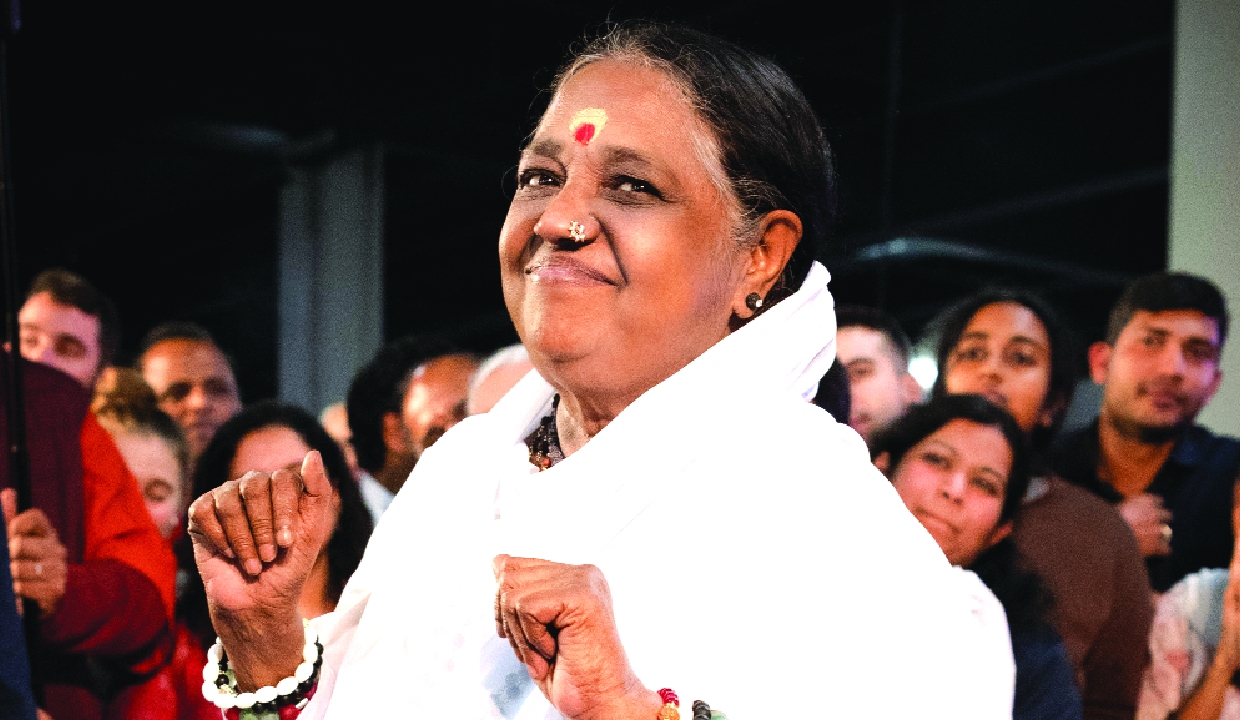
Sri Mata Amritanandamayi Devi, known simply as Amma, is a spiritual master and humanitarian who has given her darshan in the form of a motherly embrace to more than 4 crore people. Listening to the cries of the suffering, Amma leads an NGO that reaches across more than 50 countries, working in the areas of healthcare, disaster relief, education, gender equality, and environmental restoration; Views presented are personal.