Odisha’s celebration of womanhood, monsoon and pitha
Raja Parba endures because it allows Odisha to celebrate joy without forgetting wisdom. It honours the earth before cultivation, women before routine labour, food before consumption and tradition before spectacle. Its cuisine teaches that heritage does not survive only in grand feasts, but in the careful folding of coconut into rice dough, the slow baking of Poda Pitha, the sharing of Arisa, the steaming of Manda, and the laughter that gathers around a swing
In Odisha, the arrival of Raja Parba is felt before it is formally announced. Courtyards are swept, swings are tied to trees, girls dress in new clothes, feet are coloured with alta, homes fill with the fragrance of rice, jaggery, coconut and ghee, and the season softens under the promise of rain. Raja is one of Odisha’s most loved festivals as it brings together nature, agriculture, food, leisure and femininity in a way that feels joyous and deeply thoughtful. It celebrates womanhood not as an abstract idea, but as a living force of creation, dignity and renewal. In a society where women’s labour often sustains the household silently, Raja gives that labour a sacred pause and places feminine energy at the centre of celebration.
Raja Parba is closely associated with Mithuna Sankranti and the beginning of the monsoon season. Traditionally observed over three main days, Pahili Raja, Raja Sankranti and Basi Raja, it is followed in many households by Basumati Snana, the ceremonial bathing of Mother Earth. The belief behind the festival is strikingly beautiful. Mother Earth, or Basumati, is understood to undergo a period of rest and renewal, and agricultural work is paused as a mark of reverence. Ploughing, digging and other activities that disturb the soil are avoided. The earth is treated not as an object to be used, but as a living mother whose fertility sustains all life. This makes Raja more than a seasonal celebration. It is an agrarian philosophy, reminding us that human prosperity depends on respecting the rhythms of nature.
The festival also carries a rare cultural openness around menstruation and fertility. Raja places them within a language of honour, beauty and celebration. Young girls and women are encouraged to rest, dress well, play games, sing folk songs and enjoy decorated swings known as doli. In villages and towns, the sight of girls on swings, the sound of laughter, and the exchange of festive foods create a mood that is unmistakably Odia. Raja does not separate the body from the sacred or the household from the field. It recognises that fertility belongs to the earth, to women, to crops and to the continuity of family life.
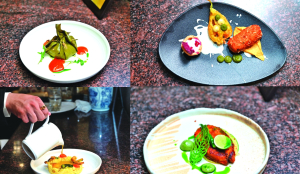
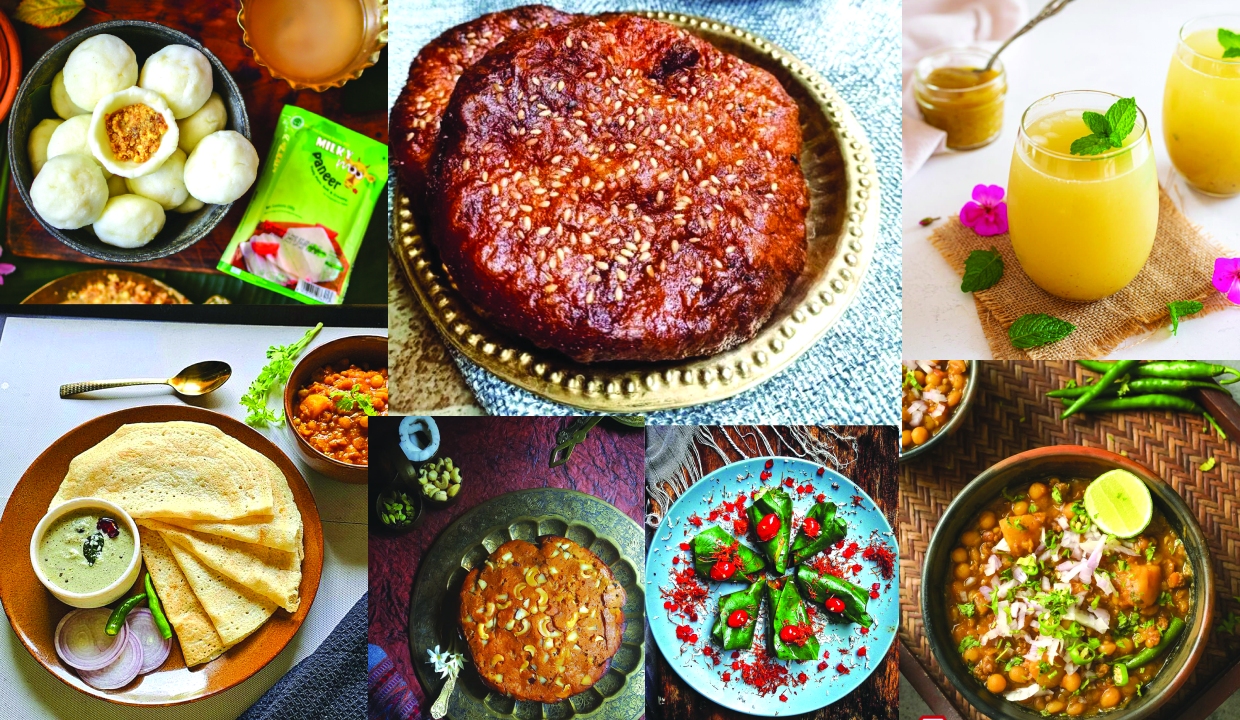
If one food captures the soul of Raja Parba, it is pitha. Odisha has a rich pitha tradition throughout the year, but Raja gives it a special festive pride. Pithas are not merely sweets or snacks. They are expressions of season, skill and memory, often made from rice flour, coconut, jaggery, lentils, ghee, milk, cardamom and local ingredients transformed through steaming, roasting, frying or slow cooking. During Raja, the making and sharing of pitha becomes a family ritual. Older women pass down proportions by touch rather than measurement, younger members gather around the kitchen, and the finished pithas move from home kitchens to neighbourhood plates, community stalls and festive gatherings. The most iconic among them is Poda Pitha, often regarded as the signature taste of Raja. Its name comes from the idea of being burnt or baked, but its charm lies in the slow cooking that gives it a dark, caramelised crust and a soft, fragrant interior. Traditionally made with rice batter, jaggery, coconut, sometimes black gram, ghee, cardamom, ginger and pieces of coconut, Poda Pitha was once cooked overnight in an earthen oven or over a slow fire. The outer layer turns smoky and firm, while the inside remains moist and rich. Sliced and shared during Raja, it carries the warmth of the hearth and the patience of traditional cooking.
Another beloved preparation is Arisa Pitha, made by combining rice flour with jaggery syrup and shaping the dough into discs that are fried until crisp at the edges and chewy within. Sesame seeds are often added for texture and aroma. Arisa Pitha has a festive sturdiness, which makes it ideal for storing and sharing. Its flavour comes from the careful handling of jaggery, which must reach the right consistency before the rice flour is mixed in. It reflects household expertise, because small changes in heat and timing can alter the final texture.
Where Poda Pitha is smoky and Arisa Pitha is rich, Manda Pitha is softer and gentler. These steamed dumplings are usually made from rice flour dough filled with coconut and jaggery, sometimes scented with cardamom. The dough is shaped around the filling and steamed until tender. When opened, the filling releases the sweetness of coconut and melted jaggery. Manda Pitha is especially suited to the monsoon mood of Raja because it is comforting without being heavy. Its steamed form also shows the variety within Odia festive cooking, where celebration does not always require frying.
Kakara Pitha brings another texture to the Raja table. Usually made with semolina or wheat flour, and sometimes rice flour, it is filled with sweet coconut or chhena and then fried.
The outer layer becomes golden while the inside remains soft and fragrant. Some homes prepare Suji Kakara, while others make versions with rice flour. Alongside it, Chakuli Pitha, a thin pancake made from a fermented batter of rice and black gram, brings a lighter savoury balance. It may be eaten with dalma, ghuguni, chutney, jaggery or milk, depending on the household. Its presence ensures that Raja cuisine is not only about sweetness.
The pitha tradition also includes varieties such as Chhunchi Patra Pitha, Muan Pitha, Enduri Pitha and Chandrakanti. Chhunchi Patra Pitha is delicate and thin, requiring skill to spread the batter lightly. Muan Pitha offers another festive variation of rice, coconut and sweetness. Enduri Pitha, more strongly associated with Prathamastami but familiar within the larger Odia pitha repertoire, is steamed in turmeric leaves, while Chandrakanti, made from green gram and sugar, is fried to a golden finish. Together, these preparations show why Raja cuisine is best understood as a whole language of pithas.
Even though pitha dominates the festival, Raja meals are often completed with savoury Odia dishes that reflect the comfort of home cooking. Dalma, made with lentils, vegetables and gentle spices, brings nourishment and balance. Santula, a lightly cooked vegetable preparation, offers simplicity after richer festive foods. Ghuguni, made from dried peas, is a popular snack and pairs well with Chakuli Pitha. In many households, Chattu Besara, prepared with mushrooms and mustard paste, or Ambula Rai, with dried mango and mustard, add the sharp, earthy flavours that Odisha is known for. Some families may also prepare Mutton Jhola or Chingudi Jhola, but the emotional centre of Raja remains the pitha platter.
Cooling drinks such as Pana, made in different household styles with fruits, curd, milk, jaggery or spices, suit the humid monsoon atmosphere. Some homes serve buttermilk, fruit-based sherbets or lightly spiced drinks that refresh guests between meals. Yet the most visible finishing touch of the festival is Raja Paan. Betel leaves filled with areca nut, sweeteners, spices and fragrant additions become part of the social pleasure of the occasion. To offer paan after pitha is to complete the rhythm of Raja hospitality.
Raja Parba endures because it allows Odisha to celebrate joy without forgetting wisdom. It honours the earth before cultivation, women before routine labour, food before consumption and tradition before spectacle. Its cuisine teaches that heritage does not survive only in grand feasts, but in the careful folding of coconut into rice dough, the slow baking of Poda Pitha, the sharing of Arisa, the steaming of Manda, and the laughter that gathers around a swing. At a time when conversations around women’s dignity, ecological respect and cultural continuity are more important than ever, Raja offers a deeply Indian answer. To preserve Raja Parba is to preserve a way of seeing womanhood as sacred, the earth as living, and food as one of the most intimate carriers of civilisational memory.
The writer is Secretary, Cuisine India Society; Views presented are personal.