Preserving indigenous knowledge of edible roots and medicinal plants in Jharkhand
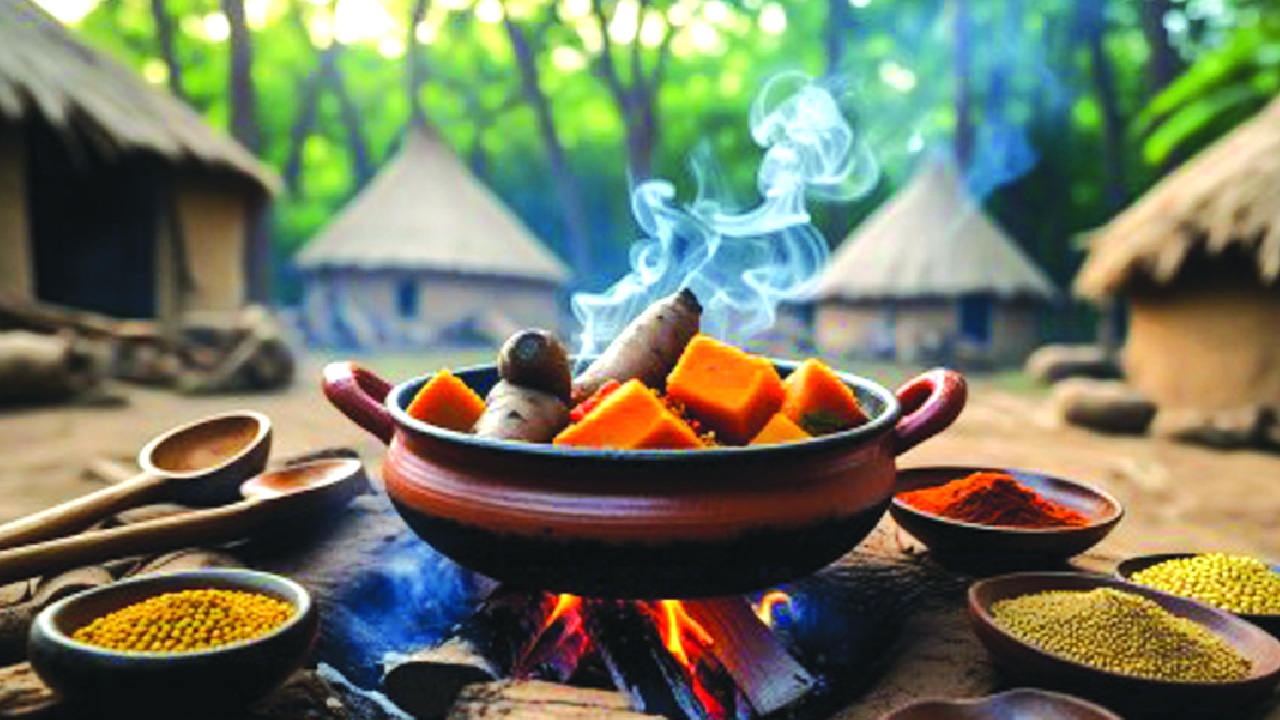
Jharkhand state was carved out of Bihar in 2000. It is a tribal-dominated state, extremely rich in plant wealth, besides being famous for its coal mines as well as mineral deposits. The predominant tribal communities in Jharkhand are Mundas, Oraons, Santhals, Kharias, Birhors, Paharias as well as Asurs.
The authors of this publication, Sudhanshu Kumar and Bandana Kumari, are well-acclaimed ethnobiologists who have traversed the forests and tribal areas in Jharkhand to document the vast indigenous knowledge possessed by the tribal and local communities, as well as medicinal plants. The authors have great experience in taking snapshots of wild plant species having edible tubers, rhizomes and roots, especially in their natural habitats.
This publication provides a comprehensive account of wild and edible roots and their ethnomedicinal utilities among the tribals in Jharkhand.
Chapter 1 of the book incorporatses some of the prominent vaidyas who deserve special mention. Chapter 2 provides a comprehensive account of uncultivated yams, corms, and rhizomes used as food as well as ethno-medicine. Chapter 3 includes wild tubers, rhizomes and rootstock that are inedible in Jharkhand but edible in other states in India as well as other nations. Chapter 4 elucidates the micro-nutrient supplements of some of the wild tubers and rhizomes, followed by the Literature cited and Index by scientific names, popular names as well as local names of the plant species.
This publication provides a beautiful and comprehensive pictorial account of edible roots and rhizomes used by various Adivasi communities in Jharkhand as unconventional foods, easily accessible to them and also a cheaper source of minerals and vitamins. Altogether, indigenous communities call them Kand-Mool.
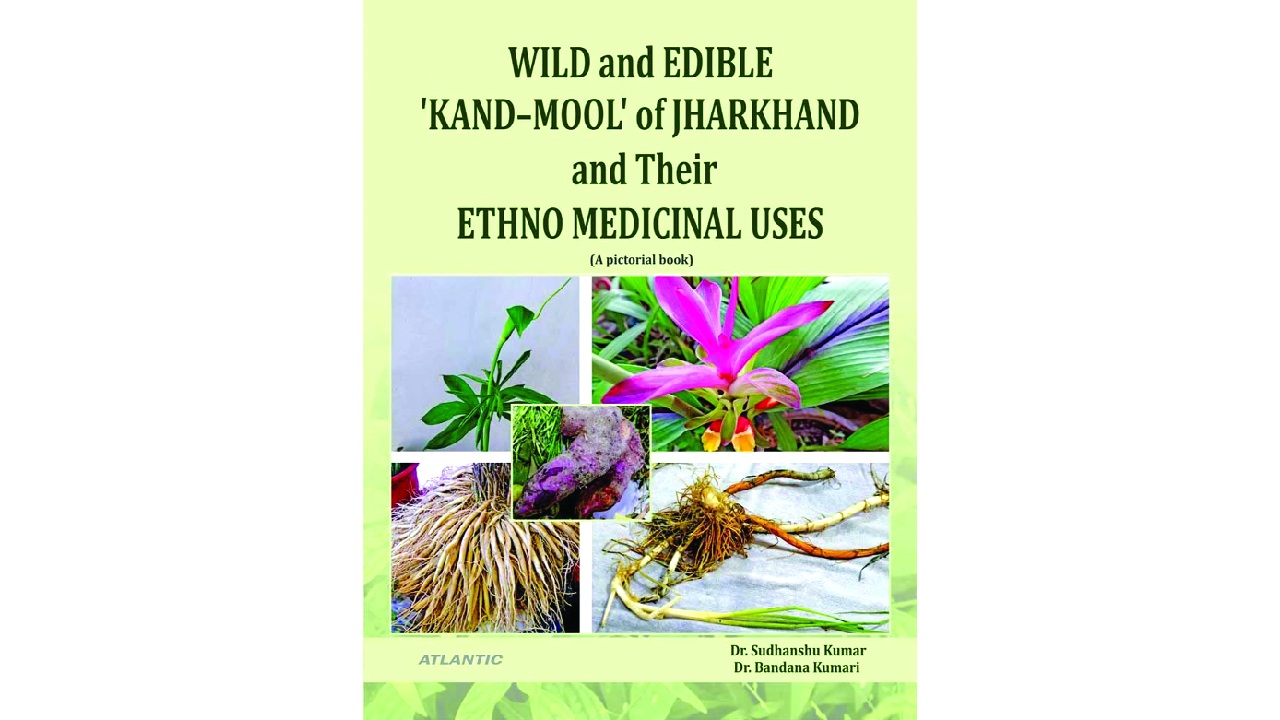
In total, 43 plant species have been well illustrated in this book, which may one day become superfoods for modern society after scientific validation. This publication will be extremely beneficial for students, teachers as well as researchers engaged in bio-prospection for drug development as well as searching for new nutraceuticals. However, the higher price may prevent students and the general public from purchasing it for personal use.
Considering the usefulness and overall contents of this publication, it is a must for personal bookshelves as well as for libraries of colleges and universities, botanical institutions and other research organisations.