Making disability inclusion central to India’s agenda
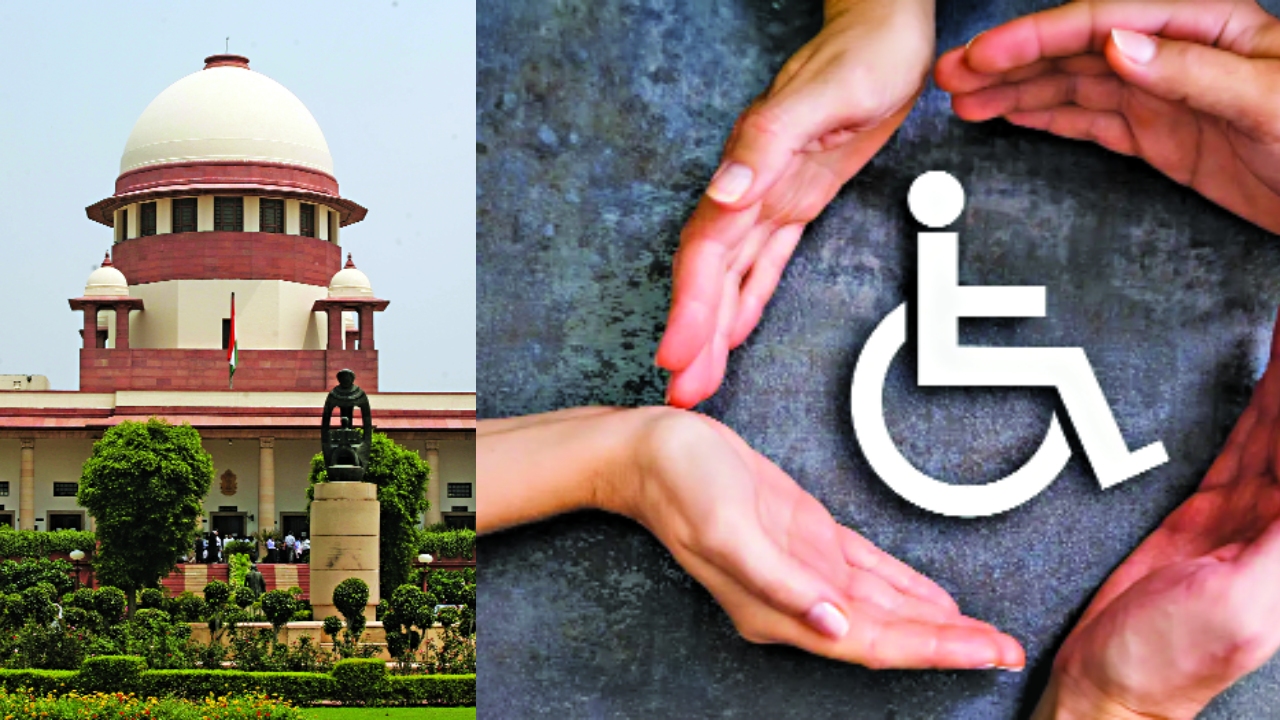
When I speak about disability rights and empowerment, I return to a simple but urgent truth — India’s Parliament must not just acknowledge the issues of persons with disabilities; it must understand them deeply and act on them decisively. Sensitising Members of Parliament and clearly defining their role in advancing inclusion is essential to building a truly equitable society.
It is with this conviction that we at the National Centre for Promotion of Employment for Disabled People have brought out Beyond the Visible: A Handbook on Disability Inclusion for Parliamentarians.
The objective is clear: to enable policymakers to engage with disability in a more informed, sensitive, and effective manner, and to translate legislative intent into meaningful action.
The RPWD Act, 2016 clearly defines disability as a long-term physical, mental, intellectual or sensory impairment which hinders a person’s full and effective participation in society. It also states that a person’s environment largely affects their experience and extent of disability. When the law itself recognises that environments shape disability, the path forward is undeniable: make those environments accessible. Ensuring this — across infrastructure and digital systems — is the responsibility of lawmakers and legislators.
For far too long, disability in India has remained on the margins of political discourse. Despite progressive legislation like the Rights of Persons with Disabilities Act, 2016, which expanded recognition to 21 disabilities and shifted the framework from welfare to rights, implementation gaps persist. Disability continues to be underrepresented in parliamentary engagements and debates, policy priorities, and budgetary allocations. The issue today is not the absence of laws, but the depth of their understanding and the seriousness of their execution.
This is where the handbook intervenes. It is not an academic document; it is a practical tool designed to support parliamentarians in their day-to-day legislative responsibilities. It helps them frame more informed questions, adopt appropriate and respectful language, and recognise disability as a cross-cutting issue that intersects with health, education, employment, and governance. I strongly feel that the way disability is discussed in Parliament — whether through Zero Hour interventions or questions tabled on the floor — can significantly shape both public perception and policy outcomes.
At a global level, the importance of political inclusion is well recognised. Article 29 of the UN Convention on the Rights of Persons with Disabilities affirms the right of persons with disabilities to participate fully in political and public life. This includes not just the right to vote, but also the right to be represented, influence decisions, and take part in governance. India’s own law reflects this thinking. The RPWD Act, 2016 also recognises political barriers as a form of exclusion faced by persons with disabilities - an important first in the country’s legal framework.
For India, this means ensuring that disability is not seen as a side issue, but as a core part of how our democracy functions.The timing of this initiative is particularly significant. With Census 2027 approaching, India has a historic opportunity to generate accurate and disaggregated data across all 21 recognised disabilities. Reliable data is the foundation of effective policymaking. Without it, inclusion remains rhetorical; with it, interventions can be targeted, budgets can be justified, and progress can be measured.
At the same time, lived experiences continue to reveal systemic gaps that require urgent attention. Take, for instance, the issue of assistive devices — an area that often remains overlooked in policy discussions. For persons with disabilities, devices like wheelchairs are not conveniences; they are essential for mobility, independence, and participation in everyday life. Yet, access, affordability, and maintenance remain significant challenges. Even in my own journey, securing insurance for a wheelchair — something that should be a basic safeguard —required sustained effort and engagement. It highlighted a larger policy gap: the absence of structured support systems for assistive devices within mainstream insurance frameworks.
This concern becomes even more pressing when we look at healthcare. A recent survey by NCPEDP revealed that over 80% of persons with disabilities in India lack access to any form of health insurance. High premiums, exclusion of disability-related conditions, and denial of coverage continue to create barriers. This is not just a policy gap — it is a question of equity and dignity.
Flagship schemes like Ayushman Bharat have the potential to address these challenges, but only if they are made truly inclusive. Persons with disabilities require comprehensive, lifelong support, including assistive devices, rehabilitation, and specialised care. Inclusion must be designed into these systems from the outset. The handbook also builds on a broader effort to mainstream disability within political discourse. Over the years, sustained engagement with lawmakers has reinforced a consistent message — disability is not a niche issue; it is central to governance. Political participation, accessible institutions, and inclusive policies are critical to ensuring that persons with disabilities are not just beneficiaries, but active contributors to India’s development.
India’s vision of becoming a Viksit Bharat rests on inclusive growth. This vision cannot be realised if millions remain excluded from decision-making processes. Persons with disabilities are equal citizens with rights, aspirations, and capabilities. Recognising this is the first step; embedding it into governance is the real challenge.
Beyond the Visible is both a guide and a call to action. Ultimately, the success of this initiative will not be measured by its launch, but by its use. If it leads to more informed debates, stronger policies, and more inclusive systems, it will have achieved its purpose.
The writer is the Executive Director of the National Centre for Promotion of Employment for Disabled Persons (NCPEDP) ; views are personal