Local currencies cut cross-border trade costs: RBI deputy governor
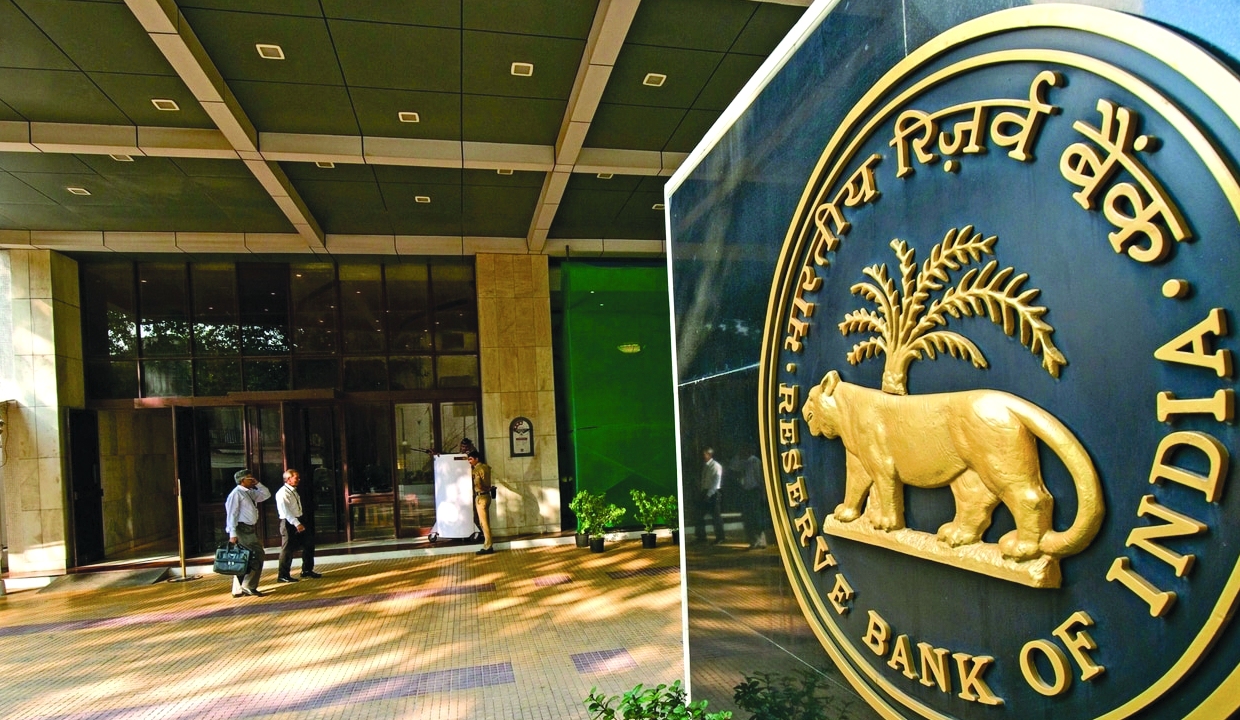
Local currencies will play an ever-increasing role in cross-border trade and payments as they lower transaction costs, reduce currency mismatches, and improve settlement efficiency, RBI Deputy Governor Rohit Jain has said.
Speaking at the Annual Day of the Foreign Exchange Dealers’ Association of India (FEDAI) last week on ‘India’s Foreign Exchange Markets: Getting ready for the next Decade’, Jain said that by their very nature, markets are continuously evolving and parameters of their readiness are being regularly renewed according to the needs of the time.
“Our market would be ready for the next decade if it can help facilitate India’s ever-increasing engagement with other countries, absorb shocks in a non-disruptive manner, serve the smallest user as efficiently as the biggest, and embrace new technology without vitiating the trust it has earned,” he said.
The deputy governor said India’s foreign exchange reserves have risen from about $38 billion in 2000 to $691 billion in 2026. The average daily turnover in the domestic forex market, spot and derivatives combined, has doubled from $41 billion in FY22 to about $80 billion at present.
Talking about drivers that will shape India’s forex markets in the coming decade, Jain said local currencies will play an ever-increasing role in cross-border trade and payments.
The Special Rupee Vostro Account (SRVA) framework for invoicing, payment and settlement of international trade in rupees has been implemented keeping in view the evolving dynamics of our international trade.
Its success, he said, will depend on commercial viability, emphasis on trade settlement in local currencies, offering market-determined rates, and strengthening confidence in the settlement ecosystem.
“The settlement of cross-border transactions in local currencies results in lower transaction costs, fewer currency mismatches, better settlement efficiency, and the ability to trade where correspondent banking is costly or constrained,” the deputy governor said.
Another driver, Jain said, will be leveraging technology across the customer chain. The foreign exchange transactions of the next decade should be digital from origination to reporting, he said.
“Artificial intelligence and machine learning can genuinely assist in document classification, anomaly detection and the identification of reporting inconsistencies. Accountability, however, cannot be automated,” he added.
Jain further said that the Indian market faces certain challenges in realising its full potential.
He said participation remains skewed as public sector banks, which hold deep relationships with MSMEs and smaller corporates outside the metros, under-participate in forex derivatives relative to their balance sheet size.
Expanding the market-maker base, raising public sector bank participation, and encouraging electronic platforms are necessary priorities to be pursued, he said.
Jain also highlighted that unauthorised entities offering online forex trading are seen to operate outside FEMA and ETP regulation altogether.
“...We continue to receive complaints of cheating and fraud from customers who did not know, until too late, that their platform had no authorisation whatsoever,” he said.
The Reserve Bank’s Alert List, cautionary advisories and awareness campaigns address this from the regulator’s side, he said, and added that the heavier responsibility rests with FEDAI members and the banks who deal with the public every day.
“Please sensitise your customers and your staff suitably,” he said. Jain emphasised that before initiating a transaction, a customer should know what is required, what it will cost, how long it will take, and where to go if something goes wrong. He asked FEDAI to innovate for scale and resilience.
Use technology to make transactions simpler, reporting more accurate and controls stronger, and bring transparent platforms and effective hedging within practical reach of individuals and smaller businesses, he added.