Lifestyle changes trigger rising hypertension among youth, says Minister Prataprao Jadhav
Health Experts Call for Early Detection, Preventive Care and Lifestyle Action Ahead of World Hypertension Day 2026
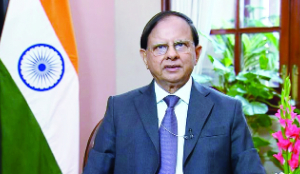
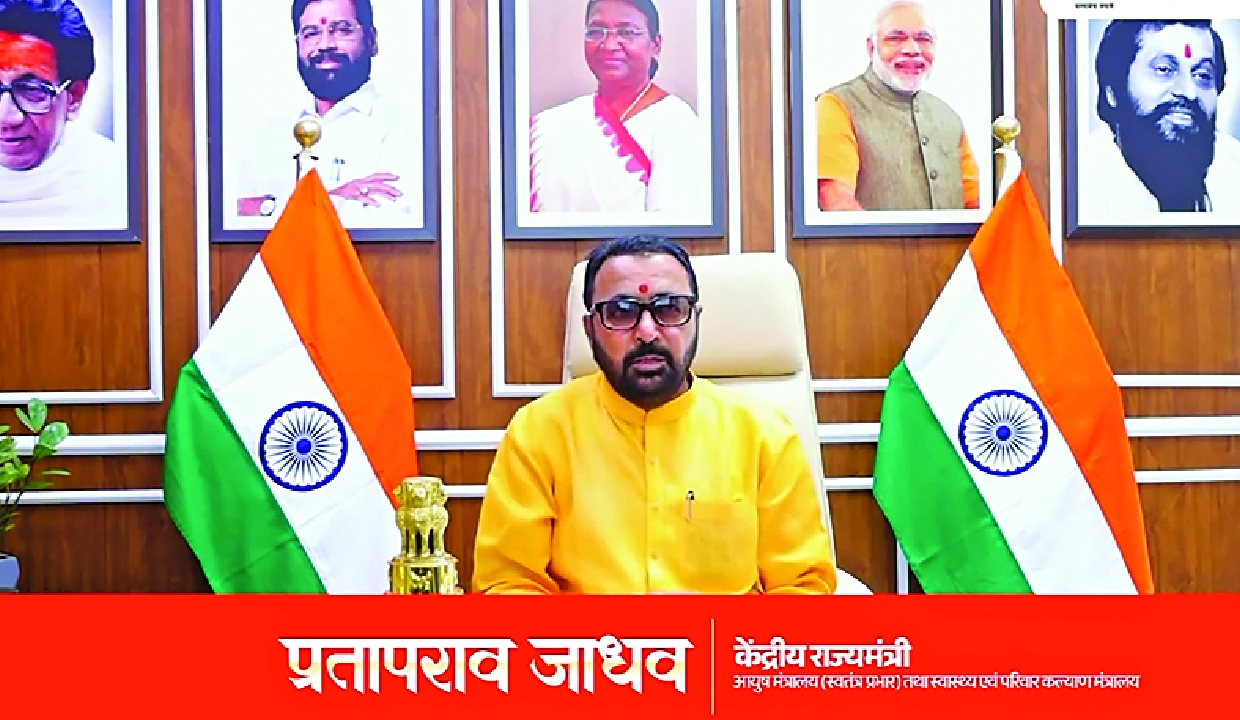
Mr. Prataprao Jadhav, Union Minister of State (I/C), Ministry of Ayush & MoS for Health and Family Welfare, GOI, said, Government of India, under the National Programme for Prevention and Control of Non-Communicable Diseases (NPCDCS), is actively promoting population-based screening, early detection and management through Health and Wellness Centres across the country
“In today’s time, it is essential that we make our communities more sensitive and aware, and strengthen awareness about hypertension. Due to changing lifestyles and reduced attention to physical and mental health, hypertension is rapidly increasing even among the youth,” said Mr. Prataprao Jadhav, Union Minister of State (I/C), Ministry of Ayush & MoS for Health and Family Welfare, GOI, in a special video message during the ‘Illness to Wellness Conference on Transforming Hypertension Care: Prevention to Wellness’ organised on the ocassion World Hypertension Day 2026.
Calling hypertension, a “silent killer”, the Minister said that the condition often progresses without visible symptoms and can lead to severe complications such as heart attacks and strokes. He highlighted that the Government of India, under the National Programme for Prevention and Control of Non-Communicable Diseases (NPCDCS), is actively promoting population-based screening, early detection and management through Health and Wellness Centres across the country.
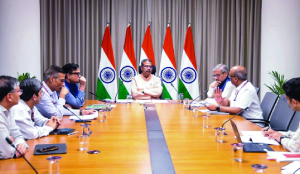
The conference was organised by the Illness to Wellness Foundation and brought together leading policymakers, cardiologists, healthcare experts and public health leaders to deliberate on the growing burden of hypertension and the need to move from illness-centric treatment towards wellness-driven healthcare approaches.
Addressing the gathering, Mr. Rajesh Bhushan, Former Secretary, Ministry of Health & Family Welfare, Government of India & Chairperson, Governing Council, Illness to Wellness Foundation, said, “The problem of hypertension is as prevalent in rural India as it is in urban India, but because we live in metro cities, we often believe it is only an urban problem. Early detection is extremely important because without early detection, early treatment becomes difficult. At the same time, non-communicable diseases impact GDP significantly across countries, and therefore prevention and timely intervention are critical.”
In his welcome address, Mr. Anil Rajput, Chairperson, Advisory Council, Illness to Wellness Foundation, said, “Modern lifestyles marked by long working hours, constant connectivity, poor sleep, sedentary habits and rising stress are significantly contributing to the growing burden of hypertension and lifestyle disorders. Another emerging concern is the growing anxiety surrounding Artificial Intelligence. Across the world, many employees increasingly fear that AI may replace jobs or reduce human relevance in the workplace.
However, Mr Rajput stressed, “AI should not only be viewed through the lens of automation or job displacement, but also as an opportunity to improve the quality of human life. In that sense, AI, if deployed responsibly, can become a powerful enabler of healthier and more balanced living. The true promise of innovation lies not only in making industries smarter, but in making human lives healthier and happier.”
Speaking during the inaugural session, Dr. Ripen Gupta, Vice Chairman & Unit Head - Cardiology, Max Smart Super Speciality Hospital, Saket, said, “Hypertension is one of the biggest public health challenges today because most people do not take it seriously until complications arise. Nearly one in four adults is affected by hypertension, yet awareness and blood pressure control remain very low. Annual BP screening, aerobic exercise, resistance training, reduced desk time, proper sleep, yoga and meditation are critical lifestyle interventions for prevention and management.”
Addressing the issue of awareness and treatment adherence, Prof. Rakesh Yadav, Cardiologist and Head - Department of Emergency Medicine, AIIMS, New Delhi, said, “The biggest problem is that despite increasing awareness, people still do not monitor their blood pressure regularly or continue treatment consistently. Hypertension is no longer limited to the affluent or elderly; it is now affecting all sections of society, including children and young adults. Obesity remains one of the major underlying causes, and regular monitoring of blood pressure and sugar levels, affordable lifelong medication, healthy dietary practices and weight management are essential to reducing mortality associated with hypertension and related diseases.”
Giving the concluding remarks, Dr. Sanjeev Singh, Chairperson, FICCI Medical Education Task Force and Medical Director, Amrita Institute of Medical Sciences & Research Centre, said that hypertension should never be taken lightly and people must follow medical advice seriously to avoid long-term complications. He also underlined the importance of monitoring BMI, waist circumference and other lifestyle indicators as part of preventive healthcare.
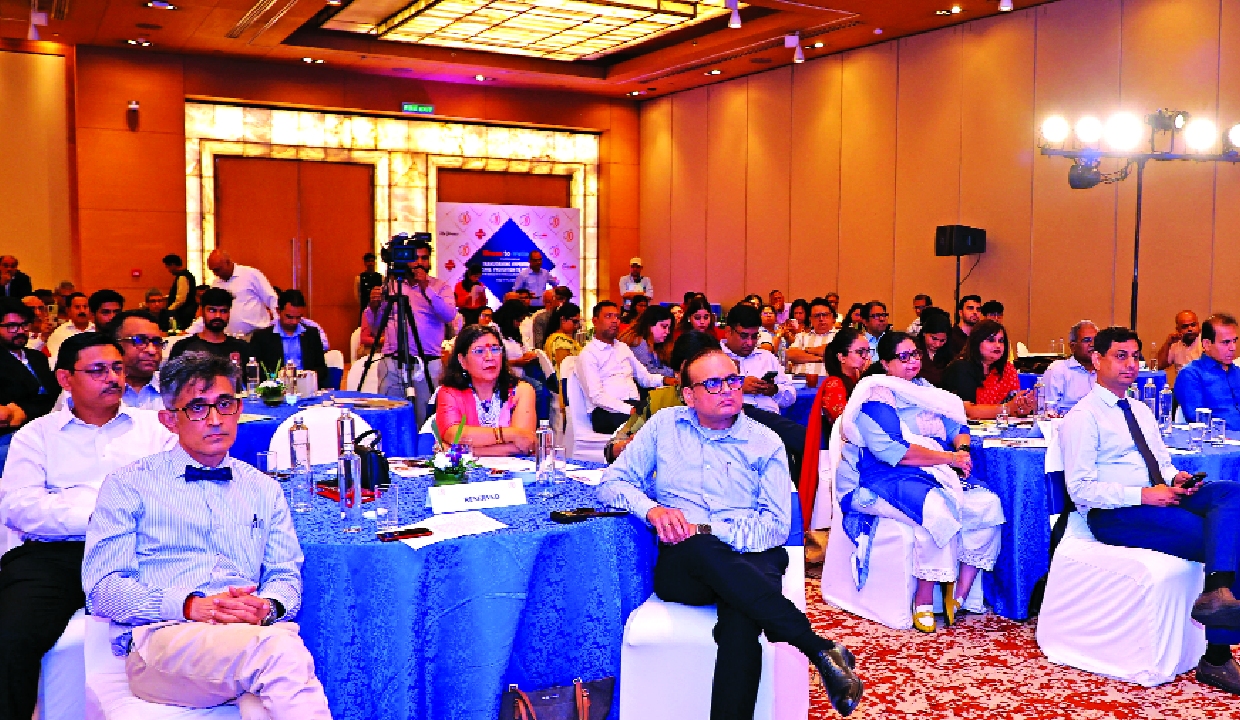
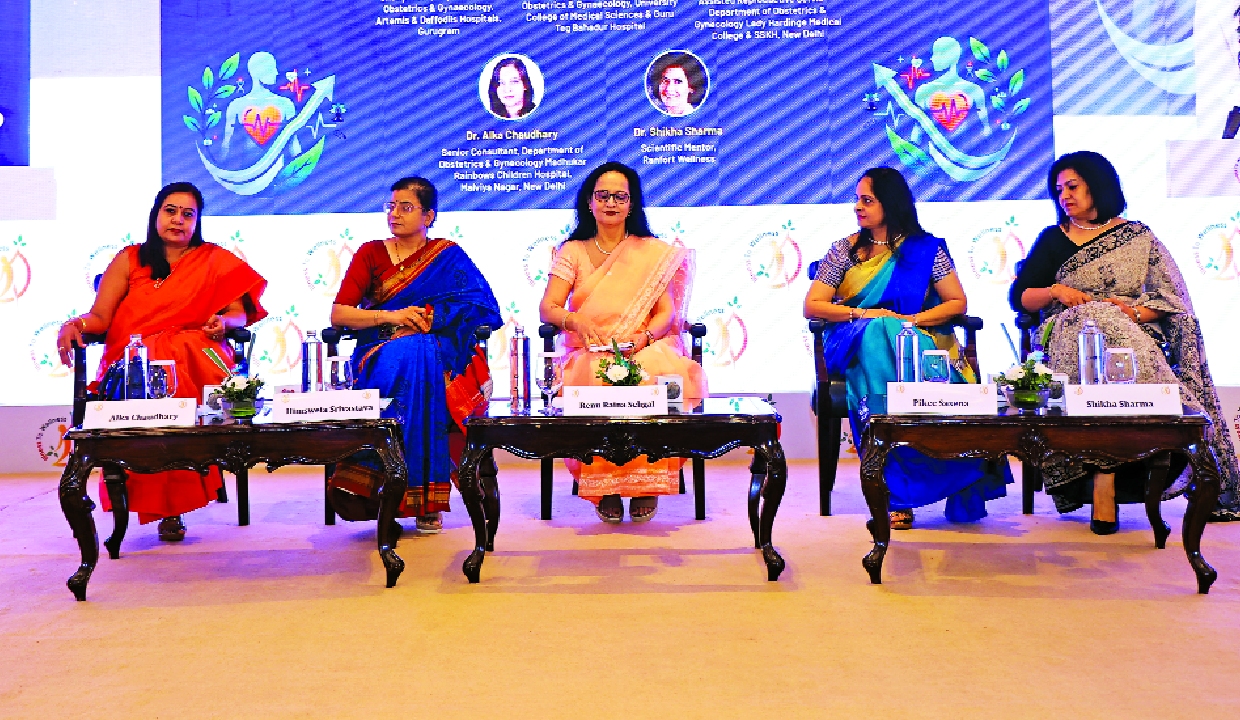
The conference featured two sessions focused on critical aspects of hypertension management and prevention. The first session on “Managing Hypertension During Pregnancy: From Risk to Safe Motherhood” highlighted the importance of early identification of hypertensive disorders during pregnancy, timely recognition of warning signs, prevention of maternal and fetal complications, pregnancy-safe therapies, multidisciplinary antenatal care and postpartum follow-up. The session was moderated by Dr. Renu Raina Sehgal, Chairperson, Department of Obstetrics & Gynaecology, Artemis & Daffodils Hospitals, Gurugram, and featured insights from Dr. Himsweta Srivastava, Director Professor, Department of Obstetrics & Gynaecology, University College of Medical Sciences & Guru Teg Bahadur Hospital; Dr. Pikee Saxena, Director Professor & In-charge of Assisted Reproductive Services, Lady Hardinge Medical College & SSKH, New Delhi; Dr. Alka Chaudhary, Senior Consultant, Madhukar Rainbows Children Hospital, New Delhi; and Dr. Shikha Sharma, Scientific Mentor, Ranfort Wellness.
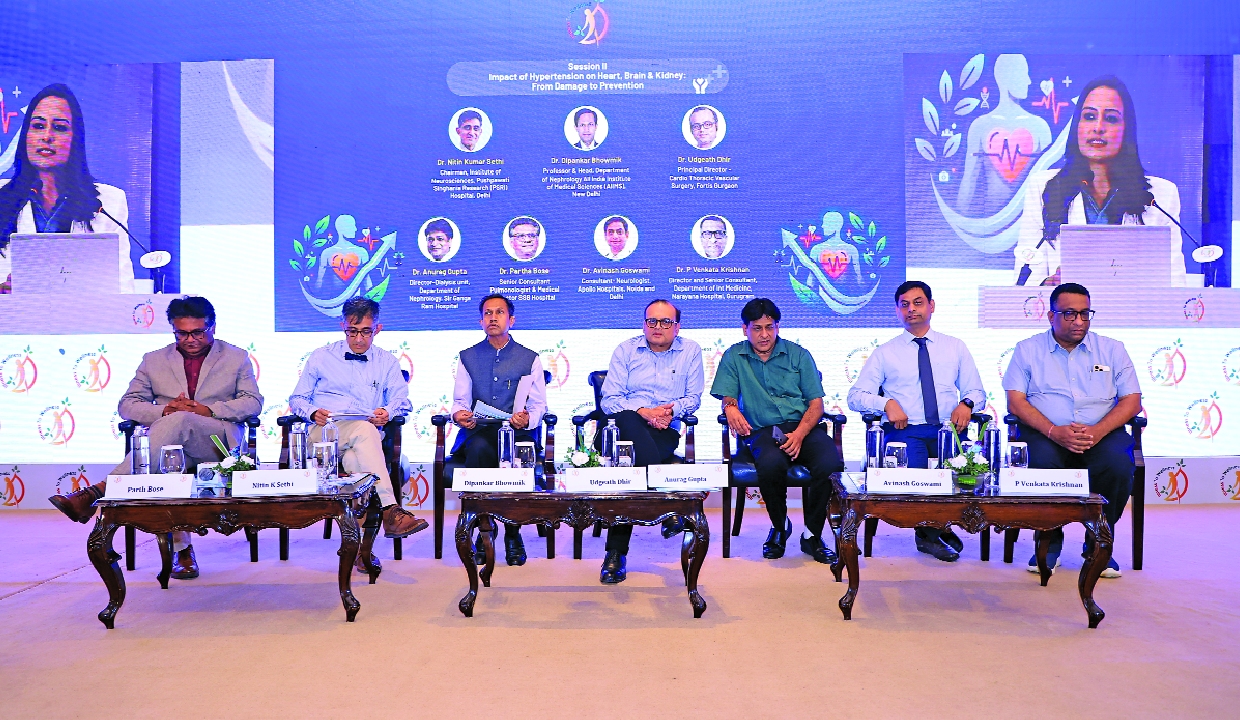
The second session on “Impact of Hypertension on Heart, Brain & Kidney: From Damage to Prevention” focused on the importance of early screening for target organ damage, routine blood pressure monitoring, lifestyle interventions, cognitive risk awareness and the need to move from disease management towards preventive wellness and organ protection. The session was moderated by Dr. Nitin Kumar Sethi, Chairman, Institute of Neurosciences, PSRI Hospital, Delhi, and included participation from Dr. Dipankar Bhowmik, Professor & Head, Department of Nephrology, AIIMS New Delhi; Dr. Udgeath Dhir, Principal Director - Cardio Thoracic Vascular Surgery, Fortis Gurgaon; Dr. Anurag Gupta, Director-Dialysis Unit, Sir Ganga Ram Hospital; Dr. Partha Bose, Senior Consultant Pulmonologist & Medical Director, SSB Hospital; Dr. Avinash Goswami, Consultant Neurologist, Apollo Hospitals; and Dr. P Venkata Krishnan, Director and Senior Consultant, Narayana Hospital, Gurugram.
The conference concluded with a collective call for stronger public awareness, regular screening, healthier lifestyles, early intervention and a people-centric preventive healthcare approach to tackle the growing burden of hypertension and build a healthier India.
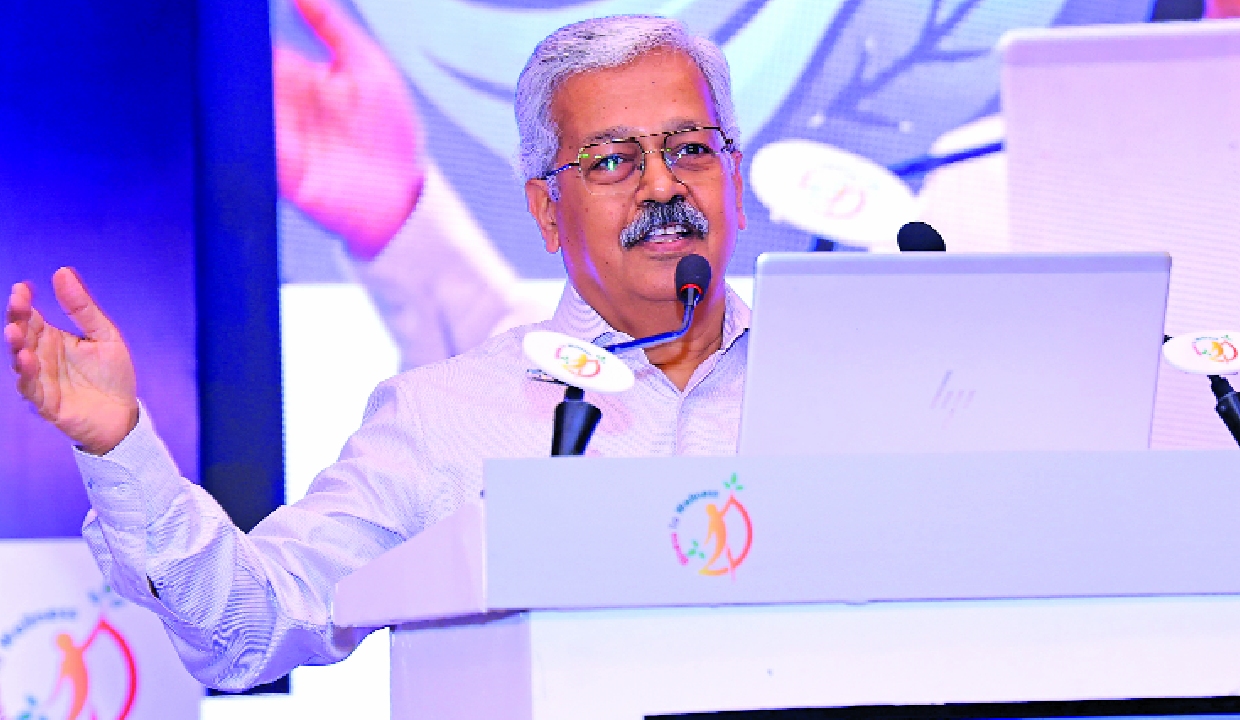
Non-communicable diseases impact GDP significantly across countries, and therefore, prevention and timely intervention are critical
Mr. Rajesh Bhushan, Former Secretary, Ministry of Health & Family Welfare, Govt. of India & Chairperson, Governing Council, Illness to Wellness Foundation
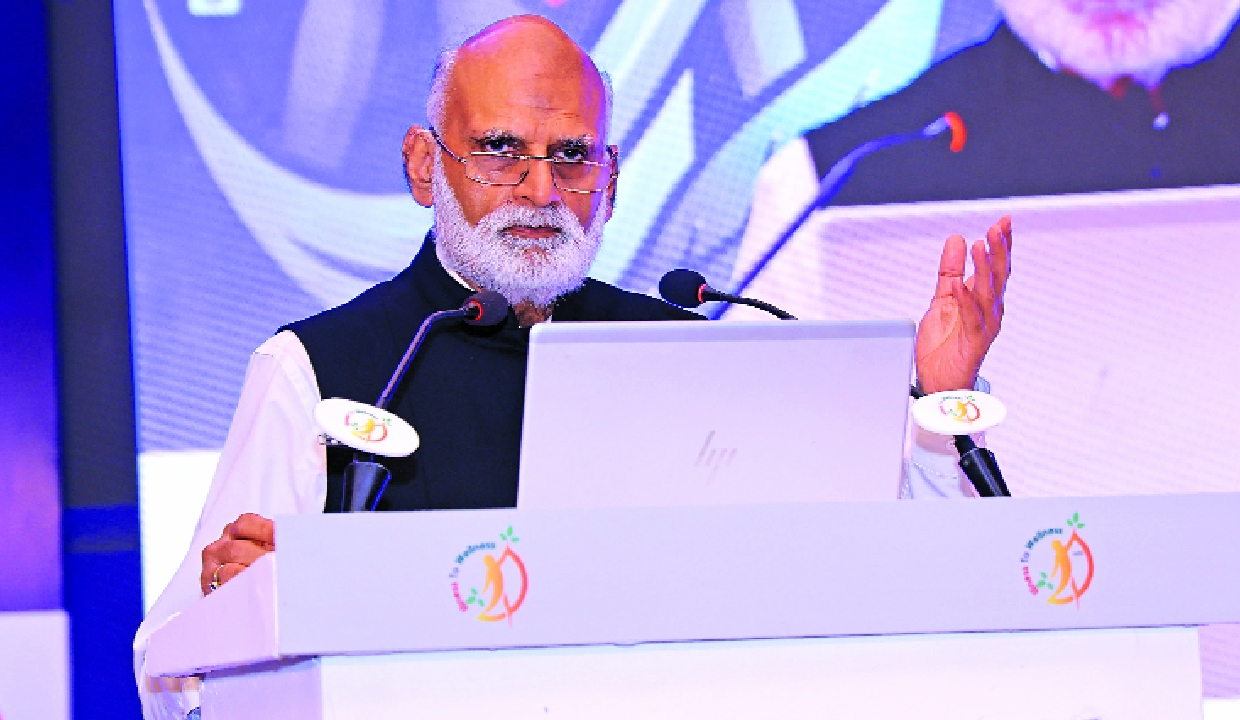
AI should not only be viewed through the lens of automation or job displacement, but also as an opportunity to improve the quality of human life
Mr. Anil Rajput, Chairperson, Advisory Council, Illness to Wellness Foundation
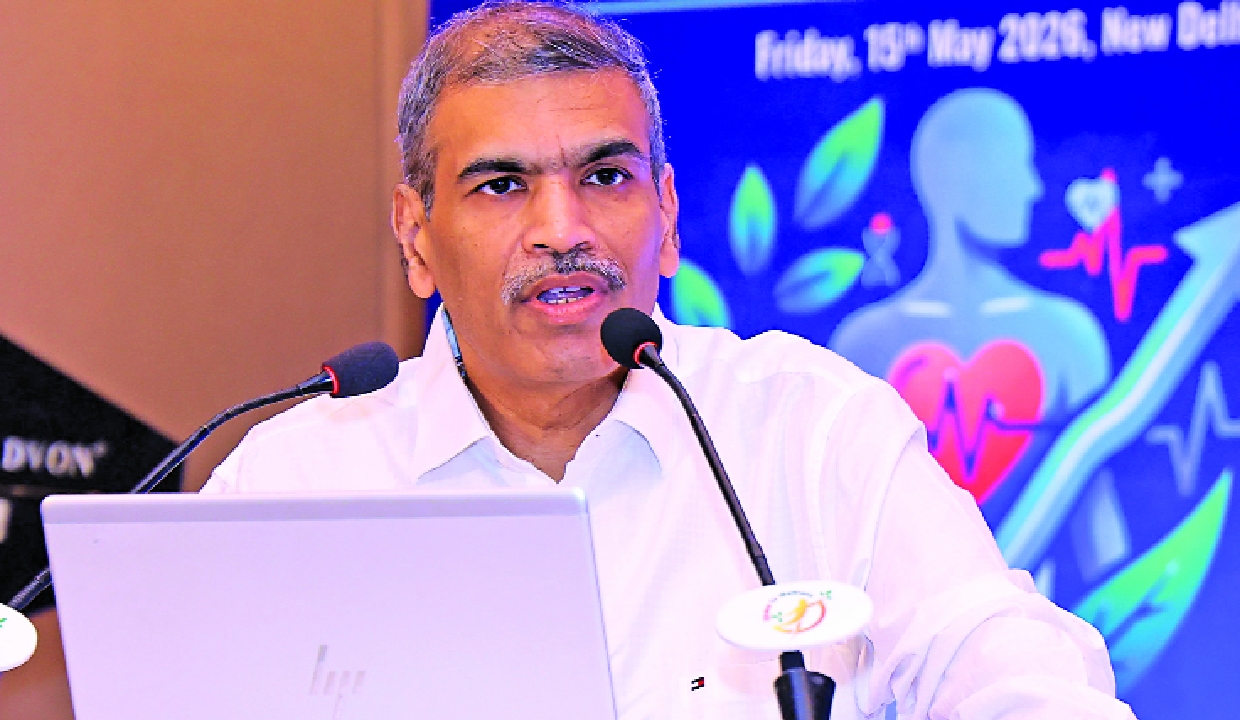
Hypertension is one of the biggest public health challenges today because most people do not take it seriously until complications arise
Dr. Ripen Gupta, Vice Chairman & Unit Head - Cardiology, Max Smart Super Speciality Hospital, Saket
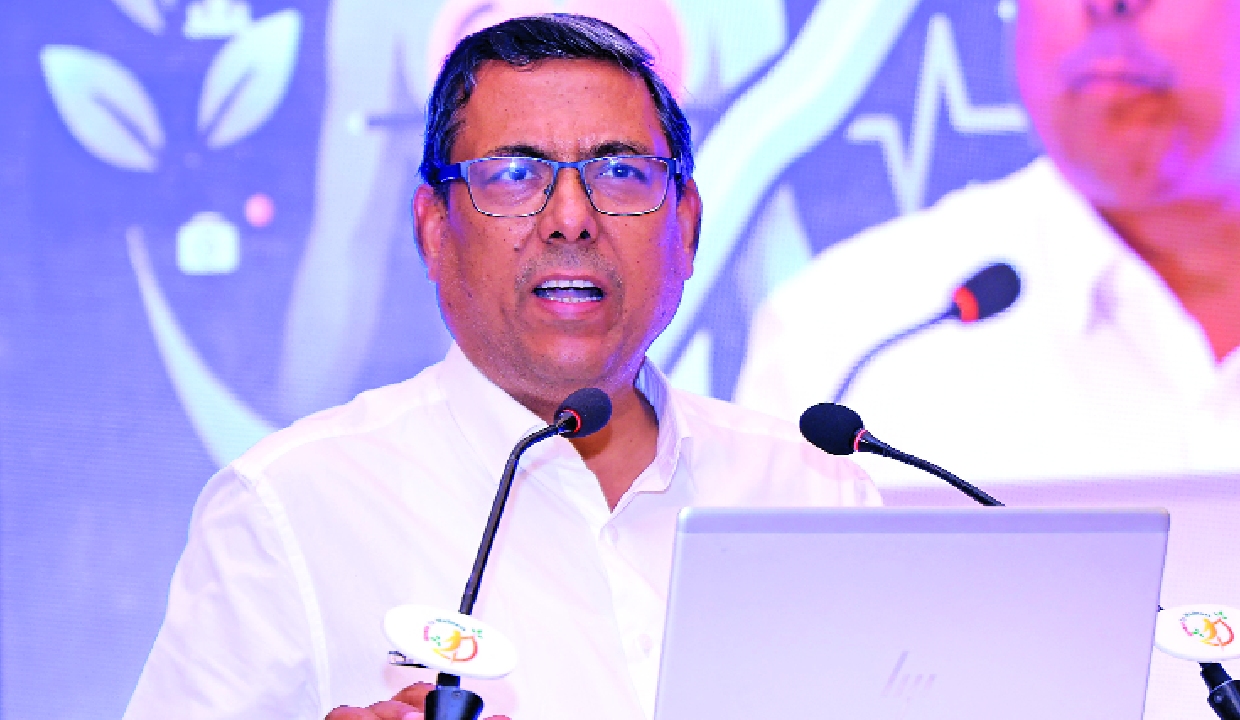
Hypertension is no longer limited to the affluent or elderly; it is now affecting all sections of society, including children and young adults
Prof. Rakesh Yadav, Cardiologist and Head - Department of Emergency Medicine, All India Institute of Medical Sciences (AIIMS), New Delhi
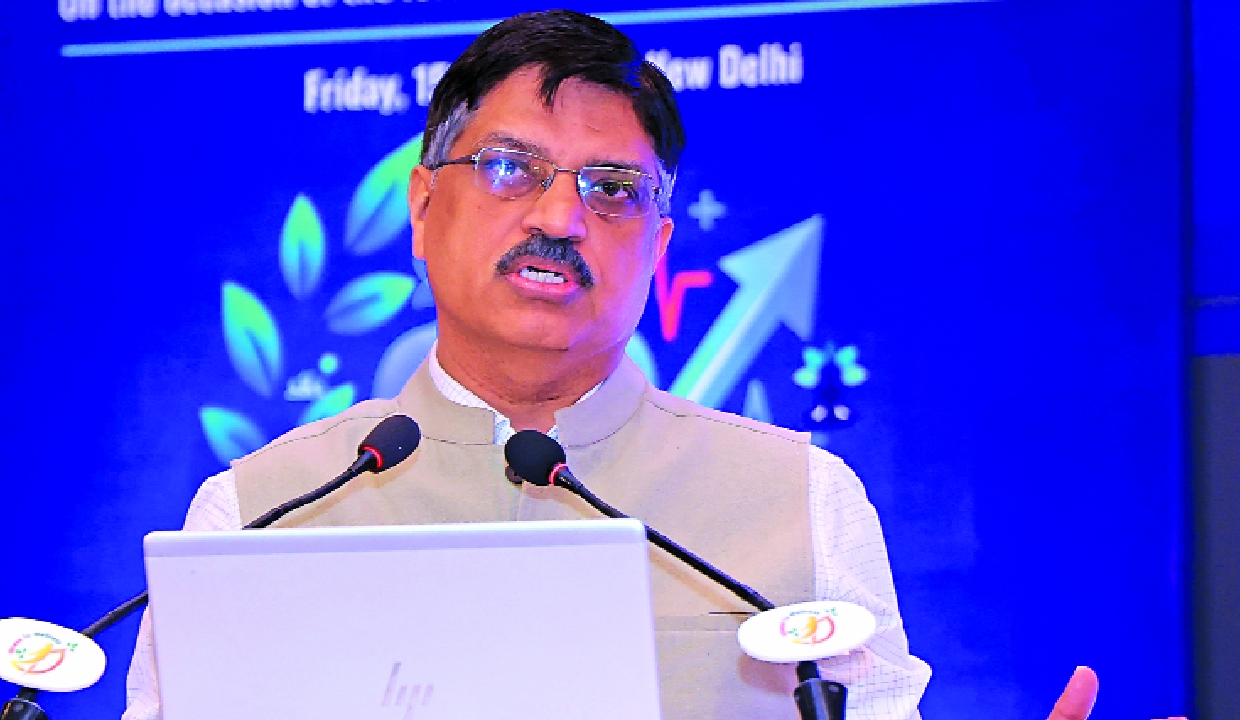
Hypertension should never be taken lightly and people must follow medical advice seriously to avoid long-term complications
Dr. Sanjeev Singh, Chairperson, FICCI Medical Education Task Force