India’s food safety crisis: Time for bold, systemic reform
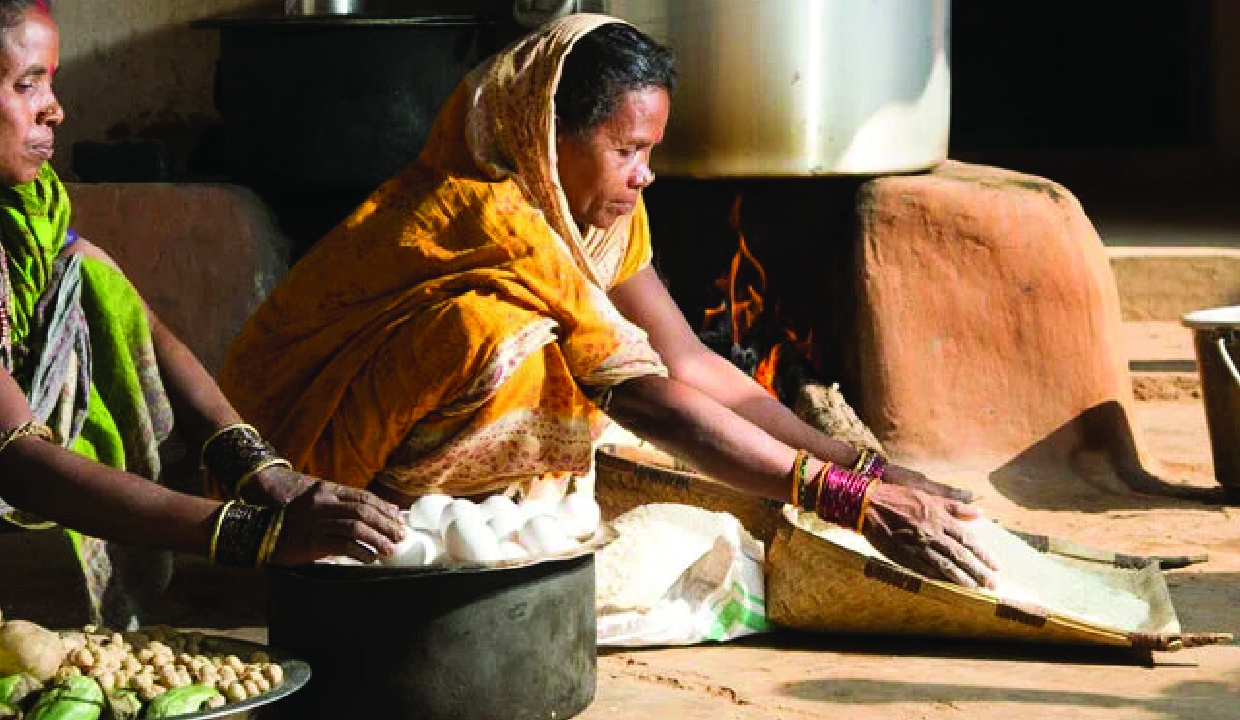
Ensuring that every child receives a safe meal, every consumer gets what the label promises, and every food business is held accountable is not merely a matter of public health; it is essential for restoring trust in the nation’s food system and securing its future.
India’s food supply chain is sending out distress signals that can no longer be ignored. From children falling ill after mid-day school meals to honey samples failing international purity tests, the warning signs point to one conclusion: India needs a structural overhaul of how it produces, certifies, and serves food - not piecemeal fixes.
The Mid-Day Meal Problem
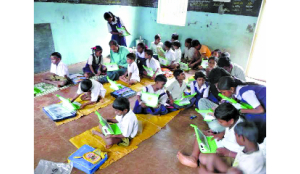
Reports of insects, lizards, frogs, and rodents turning up in school lunches, alongside complaints about poor-quality rice and pulses, have become a recurring and troubling feature of the Mid-Day Meal Scheme. A practical fix worth serious consideration is shifting toward packaged, preferably baked, food for school meals. This would sidestep many hygiene risks tied to on-site cooking and would also accommodate children whose families avoid specific ingredients like onion and garlic for cultural or religious reasons. Notably, a group of Members of Parliament once pushed for exactly this - sourcing packaged biscuits from established manufacturers vetted by the Mumbai-based Biscuit Manufacturers’ Welfare Association, to replace freshly cooked meals altogether.
There’s also a funding angle here. Large food manufacturers could be incentivised to sponsor the programme in exchange for brand visibility, while corporates could route their mandatory Corporate Social Responsibility spending into supplying packaged meals - a win for children’s health and a way to ease the financial burden on the state.
IRCTC: An Underused Asset
The Indian Railway Catering and Tourism Corporation already has the infrastructure and expertise to produce packaged food at scale. Expanding its footprint to every district - including baked goods - could serve two purposes simultaneously: supplying safer meals to both schoolchildren and train passengers (where complaints about freshly cooked food are equally frequent), and creating a public-sector competitor that keeps private food companies honest on quality and pricing.
Such expansion need not strain public finances. Long-term, tax-free bonds could fund the initial buildout, and - in a more ambitious version - these bonds could even be structured to encourage disclosure of undeclared wealth. Beyond food safety, the ripple effect on employment could be significant: district-level IRCTC units would create rural jobs and potentially slow the steady migration of youth toward overcrowded cities.
FSSAI is Moving, But Needs to Go Further
Credit is due to the Food Safety and Standards Authority of India for mandating hygiene-rating displays at eateries. But ratings that focus only on dining-area aesthetics miss the point - kitchens and storage areas, where rodent infestations and unsanitary conditions are most common, deserve equal scrutiny.
FSSAI’s move to regulate the repeated frying and reuse of cooking oil - a known health hazard - is similarly welcome. The next logical steps would be mandating RO water purifiers in all eateries, however small, with visible signage confirming installation, and requiring separate kitchen equipment for vegetarian and non-vegetarian food preparation, with that separation clearly displayed for customers who care about it.
The Honey and Sugar Problem
In April 2021, the Supreme Court sought government responses to reports that imported adulterated sugar syrups were being blended into honey - including in well-known brands - in ways that slip past FSSAI’s existing tests. A study by the Centre for Science and Environment found that only a handful of dozens of honey samples tested passed the internationally recognised NMR spectroscopy standard. Given that diabetics often consume honey precisely because it’s considered a safer sweetener, this is a serious public health concern. FSSAI should adopt NMR spectroscopy as the standard testing protocol before granting sale approvals.
On sugar, India’s diabetes burden is staggering - estimates put the number of diabetics in the country at over 100 million, with well over 100 million more in the prediabetic range as of 2025-2026. One way to nudge consumption patterns would be mandating brown sugar for commercial and medicinal use in place of refined white sugar. Market signals already point this way - confectioners in places like Delhi’s Chandni Chowk have begun introducing diabetic-friendly sweets - and if demand for brown sugar grows, manufacturers are likely to shift production voluntarily.
Stopping Dual Pricing and Adulteration
Branded bottled water and soft drink companies routinely charge more for identical products sold in airports, cinemas, and luxury hotels compared to open-market prices. This practice deserves to be curbed, and expanding IRCTC’s Rail Neer bottling plants across the country offers a public-sector alternative that could help normalise pricing.
Adulteration of ghee and butter - including the use of cheaper oils and animal fats mislabeled as “pure” - remains widespread, particularly at roadside eateries. The episode involving allegedly adulterated ghee in temple prasad offerings at Tirumala Tirupati was a wake-up call. Manufacturers of desi ghee should be required to register their brand and sourcing details with FSSAI, and that information should be displayed prominently at the point of sale so consumers can make informed choices.
Separately, several states have moved to require food outlets to display the names of operators and staff, mandate masks, gloves, and CCTV installation, following incidents of deliberate food contamination. Encouraging consistent adoption of such basic accountability and surveillance measures across all states - regardless of political alignment - would strengthen consumer trust everywhere.
Cutting Waste, Encouraging Choice
Food wastage at large social gatherings, particularly weddings, is a persistent and visible problem in a country where rising vegetable and grocery prices already strain household budgets. Curbing elaborate buffet spreads at such functions - even restricting service to beverages alone - could meaningfully reduce waste and make these events more affordable for ordinary families.
On the question of dietary preference, India’s vegetarian culinary tradition is internationally respected, and there’s a case for the government promoting a “World Vegetarian Day” on October 1st with the same enthusiasm it has shown for International Yoga Day. Separately, mandating distinct kitchens and cooking equipment for vegetarian and non-vegetarian food at restaurants - clearly signposted - would let vegetarian customers make informed choices, likely growing that customer base for businesses that adopt it.
Milk, Brands, and Public Pride
Reports of synthetic milk and counterfeit paneer or khoya continue to surface from unregulated production units. In cities where reliable branded alternatives - Amul, Mother Dairy, and regional players like Verka, Saras, Sudha, and Nandini - are already widely available, restricting sales to certified branded milk and milk products would meaningfully reduce health risks.
On a more positive note, Amul’s ranking at 15th among the world’s 100 most valuable food brands (per the Brand Finance Food and Drink 2021 report), alongside Britannia at 54th, is a genuine point of pride for India’s cooperative model. This success deserves further state support - subsidised land, easier approvals - to encourage more Indian companies, public and private, to compete globally. At the same time, it’s fair to ask why public-sector giants like IRCTC and Mother Dairy, despite years of public investment, haven’t achieved similar global brand recognition - and what structural changes might change that.
On the question of dietary preference, India’s vegetarian culinary tradition is internationally respected, and there’s a case for the government promoting a “World Vegetarian Day” on October 1st with the same enthusiasm it has shown for International Yoga Day
Writer is Guinness World Record Holder for writing most letters and RTI Consultant; Views presented are personal.