India’s obesity challenge among adults: A call for action
India’s nutrition journey is undergoing a profound transition. While the country continues to make progress in reducing undernutrition and improving food security, a new challenge is rapidly emerging, which is obesity. The changing food environment, increased availability of calorie-dense foods and inadequate physical activity have contributed to the rising obesity burden.
The NFHS-6 report highlights the magnitude of this emerging challenge. The prevalence of overweight/obesity among adults aged 15-49 years has increased among women from 24 per cent to 30.7 per cent and among men from 22.9 per cent to 27.3 per cent since NFHS-5. These trends indicate the need for a critical rethinking of India’s approach to nutrition, health and lifestyle in the coming decades.
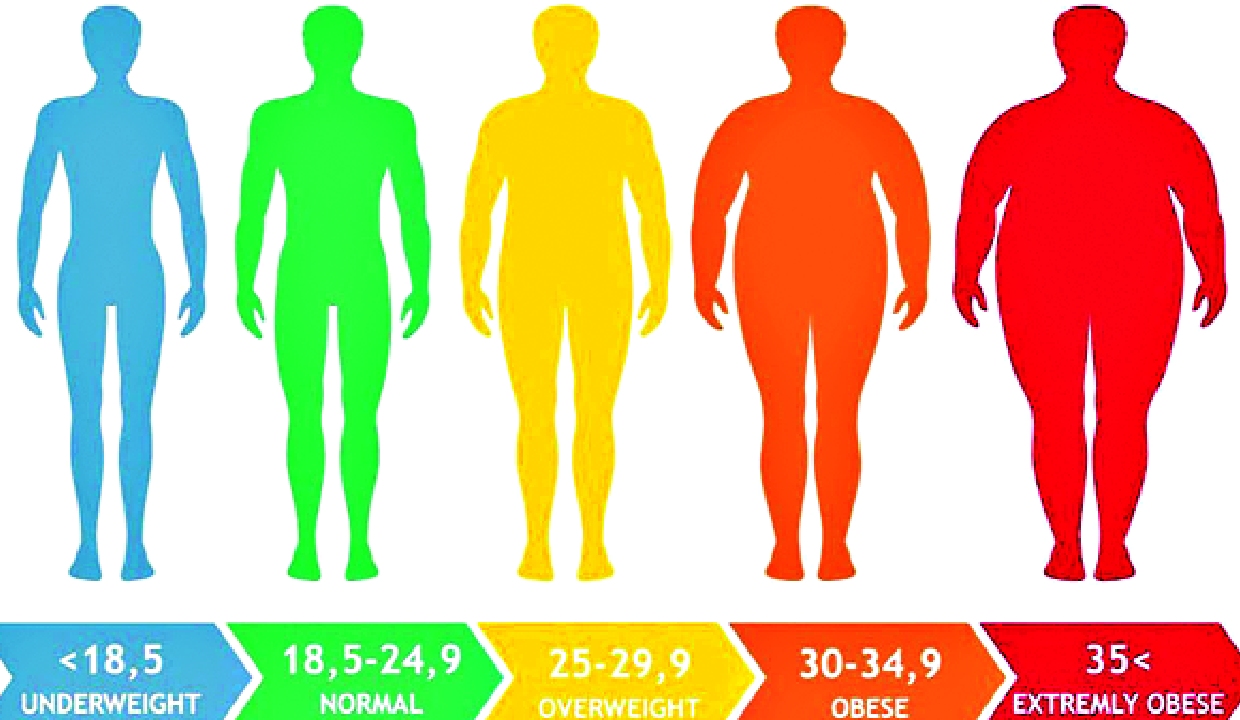
As per the World Health Organization, overweight/obesity is the excessive deposition of fat in our body to an extent that it starts limiting our everyday activities and overall health. Body Mass Index (BMI) is used for assessing overweight/obesity. A person with a BMI >25 kg/m² is classified as overweight/obese. This increasing weight is not just a number; it puts individuals at serious risk of developing lifestyle-related diseases like diabetes, hypertension, cardiovascular diseases and others.
Rising trend of obesity: NFHS-5 to NFHS-6
India has seen this rise in overweight/obesity in previous surveys as well, but the pace at which the number has increased in the latest NFHS-6 data is concerning. According to NFHS-3 (2005-06), 12.6 per cent of women and 9.3 per cent of men were reported to be overweight/obese. Now, the figures in NFHS-6 (2023-24) stand at 30.7 per cent for women and 27.3 per cent for men. Thus, in two decades, the prevalence rate has approximately doubled among women and tripled among men. Even traditionally leaner states have shown rapid progress towards obesity; for example, Rajasthan went from 12.9 per cent (NFHS-5) to 20.3 per cent (NFHS-6).
A nationwide surge in overweight/obesity
The survey depicted that 32 and 28 states and UTs have shown an increasing trend in overweight/obesity among women and men, respectively, since NFHS-5. The highest burden of obesity is borne by the southern parts of the country. Among women, prevalence was highest in Puducherry (51.3 per cent), Lakshadweep (50.1 per cent), Andhra Pradesh (47.9 per cent), Sikkim (47.5 per cent), Kerala (46.7 per cent) and Goa (45.1 per cent). For men, the rising burden was reported in the states/UTs of Chandigarh (48.5 per cent), Puducherry (45.9 per cent), Andaman and Nicobar Islands (46.1 per cent), Goa (43.6 per cent) and Andhra Pradesh (41.5 per cent). In contrast, the lowest prevalence among women was reported in Meghalaya (13.8 per cent), Jharkhand (16.9 per cent), Nagaland (17.2 per cent), Assam (19.6 per cent) and Bihar (19.8 per cent). Among men, Meghalaya (15.6 per cent), Chhattisgarh (16.1 per cent), Jharkhand (16.8 per cent), Madhya Pradesh (17.6 per cent) and Rajasthan (19.3 per cent) recorded the lowest prevalence.
The urban-rural picture
NFHS-6 shows that overweight/obesity, which was once a concern limited to city dwellers, is now becoming a rising issue in rural areas across the country. The NFHS-6 data has shown a rise in overweight and obesity in urban and rural areas among women and men. It could be because of the increased penetration of high-fat, salt, and Sugar foods at cheaper prices in both urban and rural areas.
Efforts of the Govt in tackling obesity
Understanding the magnitude of the issue, both the Central Government and different state governments have initiated various programmes to promote a healthy lifestyle. The Eat Right India initiative, launched by the Food Safety and Standards Authority of India (FSSAI), promotes healthy, safe and sustainable food practices. The National Programme for Prevention and Control of Non-Communicable Diseases (NP-NCD) also focuses on mass screening, early diagnosis and behaviour change. The Fit India Movement and Khelo India initiative are nationwide movements to promote an active lifestyle among schoolchildren and youth, while the Ministry of Ayush promotes yoga and other traditional healthy practices.
Recognising obesity as an emerging public health challenge, the Prime Minister of India, Narendra Modi, addressed the nation on the auspicious occasion of Independence Day in 2025 from the Red Fort. He called for a movement towards a healthy life and for every family to take up the ‘10 per cent less oil’ promise as a way of life to prevent obesity.
Way forward
The programmes and initiatives by the government show its commitment towards curbing obesity; the NFHS-6 data highlights the need to further strengthen existing efforts for prevention. There is an urgent need to improve the food environment by reducing the availability and aggressive marketing of junk foods, while promoting access to healthy foods and clear nutrition labelling. Physical activity should be promoted through schools, workplaces, community spaces and active urban and rural planning.
It is high time for us to understand the depth of the rising problem of obesity. There is a need to consciously incorporate a healthy way of living by adopting practices such as monitoring our weight status and waist circumference, eating a balanced diet, regularly engaging in daily physical activity, practising mindful eating, avoiding high-fat, salt and sugar foods, and consulting a medical professional if suffering from other comorbidities like diabetes, hypertension, etc.
India’s malnutrition challenge encompasses both undernutrition and overweight/obesity. Government intervention programmes have laid a good foundation; now, we need continued efforts in promoting a healthy food environment, an active lifestyle and nutrition literacy. As India progresses towards Viksit Bharat 2047, citizens adopting a healthy lifestyle will play a key role in the country’s social and economic progress.
Dr M Srinivas is member NITI Aayog & Dr Neha Bakshi is consultant NITI Aayog; Views presented are personal.