India’s EV boom faces recycling test
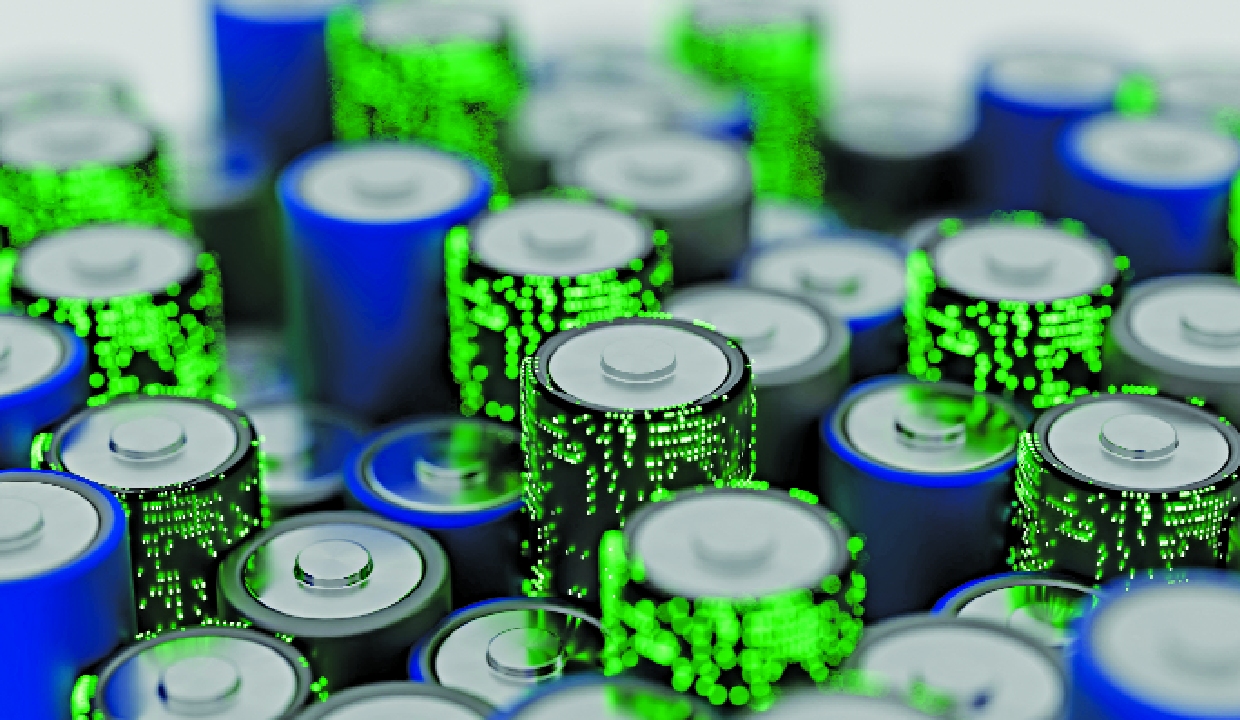
India’s electric vehicle (EV) transition is, by most measures, a policy success. EV adoption has surged from just 50,000 units in 2016 to over 2 million in 2024, a fortyfold increase in less than a decade.
Yet, beneath this rapid growth lies a structural contradiction: the batteries powering India’s green mobility push will soon become both an environmental liability and a critical economic resource. How India manages this transition will shape its position in the global clean energy landscape.
The coming wave
India’s demand for lithium-ion batteries is projected to reach 132 GWh annually by 2030, with cumulative demand nearing 800 GWh. Given that most EV batteries last 8 to 10 years, the first major wave of end-of-life (EoL) batteries from the 2020-2025 adoption cycle will emerge in the early 2030s.
At the same time, battery waste is expected to rise sharply-sixfold by 2030 and fiftyfold by 2035, compared to 2025 levels. EVs alone could account for 45 per cent of battery waste by 2030 and up to 70 per cent by 2035. This creates a dual challenge: managing environmental risks while capturing the economic value embedded in these batteries.
India’s recycling ecosystem, however, is far from ready. Current recycling capacity stands at around 2 GWh, while potential demand could reach 128 GWh by 2030. Bridging this gap would require a nearly 60-fold expansion in capacity within a decade. This mismatch sits at the core of India’s energy security and circular economy ambitions.
Waste or resource?
India is highly dependent on imports for critical minerals such as lithium, cobalt, and nickel, which are key components of lithium-ion batteries. Demand for these materials is expected to surge sharply over the next two decades, while global supply constraints are already emerging. In this context, spent EV batteries represent a domestic source of critical minerals. Recycling can recover significantly more usable material than traditional mining, while also reducing emissions. In effect, discarded batteries are not waste; they are urban mines. The opportunity is clear. The challenge lies in aligning policy, infrastructure, and market incentives to capture this value at scale.
From policy to practice
India has already established a regulatory framework through the Battery Waste Management Rules, 2022, alongside broader initiatives on Extended Producer Responsibility (EPR). However, the gap lies in execution. Bridging this will require targeted interventions across four key areas.
- First, fixing EPR economics: The current EPR system suffers from underpriced recycling certificates, often failing to cover the true cost of environmentally sound recycling. This creates a risk of “paper compliance”, where obligations are met on paper without actual material recovery. Revising floor prices, particularly in a chemistry-specific manner, is essential. For instance, lithium iron phosphate (LFP) batteries, widely used in two- and three-wheelers, yield fewer recoverable materials than other chemistries and therefore require stronger financial incentives. Without this correction, recycling may remain economically unattractive.
- Second, enabling battery traceability: A robust tracking system is critical to ensure accountability across the battery lifecycle. The proposed “battery passport”-a digital record capturing origin, composition, usage, and end-of-life handling-can play a transformative role. However, moving from concept to implementation will require coordination across regulators, manufacturers, and recyclers. A standardised traceability system would improve compliance, reduce leakages, and support long-term policy enforcement.
- Third, integrating the informal sector: India’s informal recycling sector already plays a significant role in waste collection but operates without adequate safety or environmental safeguards. Policy should aim to integrate it into formal systems. Cluster-based common facility centres, supported under existing MSME programmes, can provide shared infrastructure, training, and safer working conditions. Incentivising private players to partner with these networks can further strengthen the ecosystem.
- Fourth, unlocking second-life applications: EV batteries typically retain 70-80 per cent of their capacity after retiring from vehicles, making them suitable for secondary uses such as energy storage. Extending battery life through repurposing can significantly improve overall economics. However, this requires clear regulatory standards, particularly around performance testing, liability, and end-use applications. Government procurement policies, especially in sectors such as renewable energy and telecom, can help create early demand for second-life batteries.
A narrow but real opportunity
A well-functioning recycling ecosystem could meet up to 14 per cent of India’s battery material demand by 2030 and unlock a multi-billion-dollar market. More importantly, it could reduce import dependence and strengthen domestic supply chains for critical minerals. The EV transition does not end with adoption. It extends to how efficiently the system recovers, reuses, and reintegrates the materials that power it. If managed well, battery recycling can become a cornerstone of India’s clean energy strategy, turning a looming waste challenge into a source of long-term strategic advantage.
Bishal Kalita is Research Assistant, Pahle India Foundation, India and Megha Jain is Assistant Professor, Shyam Lal College, University of Delhi; Senior Visiting Fellow, Pahle India Foundation, India; Views presented are personal.