How US-Iran tensions threaten the global food – energy – water balance
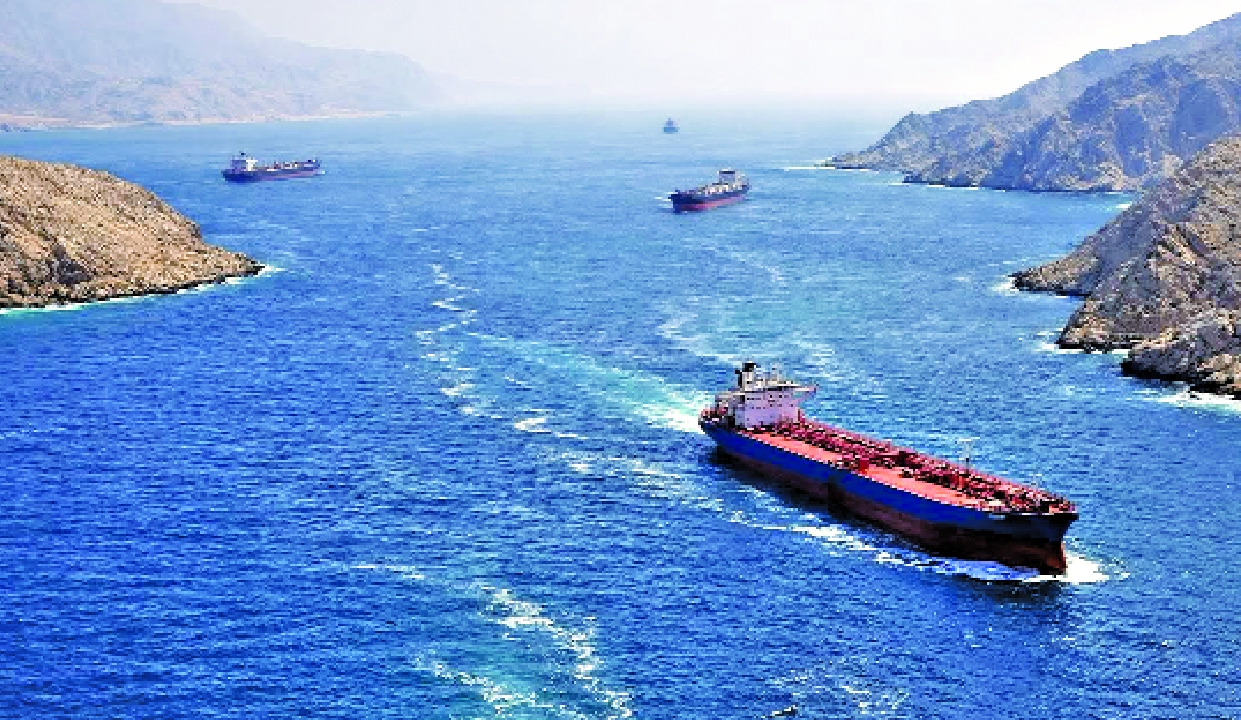
Any disruption in the Strait of Hormuz does more than drive up fuel prices; it triggers a chain reaction across agriculture, water systems, and global supply chains. This can rapidly escalate into a systemic crisis — tightening food supplies, straining water resources, and impacting an already fragile food – energy – water balance
The conflict between the United States and Iran is not merely a focal point of geopolitical tension; rather, it is a major issue that can trigger a cascading series of crises within the food-energy-water (FEW) nexus. The centrepiece of this turmoil is the Strait of Hormuz, through which a significant portion of the world’s oil passes. Any disruption there causes a sharp surge in crude oil prices, triggering a chain reaction throughout global supply systems.
The nexus of water, food, and energy is fundamental to sustainable development. Agriculture accounts for the largest share of the world’s freshwater resources, while water plays a pivotal role in the production of various forms of energy. The demand for these three resources is rising rapidly. To address current and future challenges, governments must ensure the integrated and sustainable management of water, food, and energy in order to strike a balance among the needs of humanity, nature, and the economy.
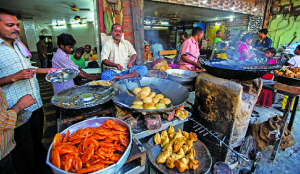
Sudden increases in energy prices directly raise the cost of fertiliser production, especially nitrogen-based fertilisers that rely on natural gas, thereby reducing profits for farmers around the world. As a result, farmers are turning to lower-cost crops, a shift that could lead to a decline in agricultural productivity and increase pressure on global food supplies. Moreover, rising fuel prices increase transportation and logistics costs, disrupting the movement of goods and leading to food wastage, as evidenced by delays in Indian basmati rice exports and the spoilage of stranded perishable goods in Gulf countries, depriving them of “dum biryani”, as reported.
The extent of the crisis is not evenly distributed across countries but is deeply interconnected. Countries like Brazil are grappling with variations in the ethanol-sugar equation, driving up prices of staple foods, whereas Sri Lanka’s export disruptions are affecting tea farmers’ incomes. Australia-type developed economies are not immune to internal distributional constraints, highlighting the vulnerability of food systems to energy crises.
Most significantly, this conflict reveals structural weaknesses in global supply chains that depend excessively on a single route, have limited diversity in sourcing, and rely on weak logistics infrastructure. Import-dependent regions of West Asia have highlighted the urgent need for multi-source locating strategies, robust food corridors, and decentralised storage systems.
The demand for water, food, and energy is constantly rising. Pressure on this interdependent system has been further intensified by a growing global population, rapid urbanisation, shifting dietary preferences, and economic expansion. A significant global shift is currently underway: as incomes rise in many countries, people are transitioning away from primarily starch-based diets towards meat and dairy products, the production of which requires substantial amounts of water.
Both food production and energy consumption are heavily dependent on water resources. The agricultural sector accounts for the largest share of the world’s freshwater use; furthermore, more than a quarter of global energy consumption is expended on food production and distribution. Most energy production processes are also water-intensive, including those utilised in coal-fired power plants, nuclear reactors, and the cultivation of biofuel crops.
The pressure on the water-food-energy nexus poses a significant threat to the Sustainable Development Goals (SDGs). As water resources become increasingly scarce and strained due to overexploitation, their capacity to advance various SDGs-particularly those related to poverty eradication, hunger reduction, sustainability, and environmental protection-is diminishing. Governments need to further boost their renewable energy initiatives.
There is an urgent need for greater support for the development of renewable energy sources that are less dependent on water, such as hydropower and wind energy. Geothermal energy holds immense potential as a long-term and climate-friendly resource; it emits very few, if any, greenhouse gases and requires little to no water usage.
A Fragile Nexus: Food, Energy, and Water Interdependence
The crisis also highlights the deep interdependence of the FEW nexus. Disruptions in energy supply constrain water extraction and irrigation systems, while water scarcity impacts agricultural production. Together, these factors create feedback loops that could escalate into a major humanitarian crisis.
Excessive reliance on global fertiliser supply chains further exacerbates this vulnerability. Supply disruptions can reduce the availability of essential inputs, limit crop yields, and fuel global food inflation, disproportionately and most severely affecting low-income, import-dependent nations.
Policy imperatives: Building resilience in a volatile world
Policy responses must extend beyond short-term crisis management. Institutions such as the Food and Agriculture Organization advocate mechanisms like food import financing facilities to stabilise vulnerable economies, while the World Trade Organization’s frameworks prioritise food trade as a global public good.
Coordinated global and regional action is required to address such systemic risks. The Food and Agriculture Organization has proposed a Food Import Financing Facility (FIFF) to assist vulnerable nations during times of crisis, while the World Trade Organization emphasises that food trade constitutes a critical moral obligation for global stability.
Policy box: Pathways to resilience
- Diversified sourcing: Develop procurement strategies across multiple locations in South Asia, Africa, Europe, and Latin America.
- Food corridors: Invest in alternative trade routes, inland logistics, and port connectivity.
- Climate-resilient agriculture: Promote bio-fertilisers, regenerative farming, and precision agriculture to reduce chemical dependency.
- Supply chain infrastructure: Strengthen storage, warehousing, and cold-chain networks to minimise post-harvest losses.
- Digital integration: Utilise real-time tracking and demand forecasting to stabilise markets.
- Risk management: Expand commodity market instruments to mitigate volatility and prevent panic selling.
Conclusion: The transition from geopolitics to human security
The conflict between the United States and Iran extends beyond regional boundaries and represents a global systemic threat. In the absence of proactive interventions, localised military conflicts could escalate into a broader crisis characterised by food shortages, energy instability, and water scarcity.
In our interconnected world, resilience must be fostered not in isolation but through collaborative efforts. Safeguarding the nexus of food, energy, and water (FEW) is no longer merely an economic concern; it has become a moral and strategic imperative for ensuring global stability.
The conflict between the United States and Iran extends beyond regional boundaries and represents a global systemic threat. In the absence of proactive interventions, localised military conflicts could escalate into a broader crisis characterised by food shortages, energy instability, and water scarcity.
Prem Kumar Kalra is Former Director, IIT Jodhpur; Jyoti Kumar Verma, Head, Department of English, Dayalbagh Educational Institute Agra; and Rupali Satsangi is Professor Department of Economics, Dayalbagh Educational Institute, Agra; Views presented are personal.