Indian lives matter: The world must listen
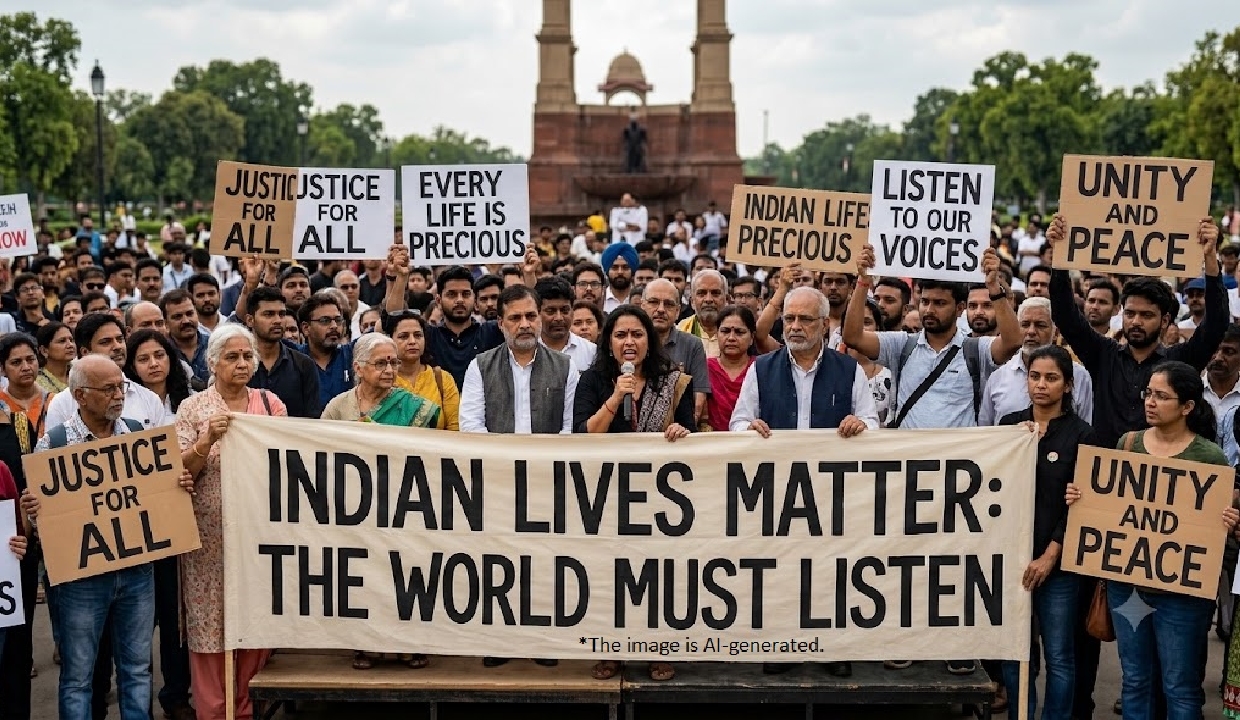
PM Modi’s G7 remarks on the deaths of seafarers underscored India’s commitment to its citizens’ safety and well-being anywhere in the world
The lakeside resort town of Évian-les-Bains hosted this week a summit that carries the weight of a world fracturing at its seams. The 52nd G7 — convened by France amid the ruins of a US-Iran war and a grinding conflict in Ukraine — happened at a critical juncture, with a plethora of issues to be discussed. But it was a quieter, more human moment when Prime Minister Narendra Modi raised his voice for the men who sail the world’s oceans and fall to the guns of geopolitics through no fault of their own. Modi’s intervention at the G7 outreach session was pointed and personal. Days before the summit, three Indian nationals were killed when US forces struck the Palau-flagged oil tanker Settebello in the Gulf of Oman — a vessel crewed almost entirely by Indians. At Évian, the Prime Minister took that protest to the highest table. It was diplomacy at its most necessary — and its most uncomfortable.
The summit’s formal agenda reflects an era of overlapping crises. Leaders convened around three broad pillars: geopolitical stabilisation (Iran, Ukraine and the fragile ceasefire in West Asia), economic resilience (tariffs, supply chain diversification and the spectre of stagflation), and technology governance (AI, quantum computing and digital infrastructure).
France, as host, pushed hard for a renewed commitment to multilateralism — a direct rebuke to the transactional nationalism that has defined Washington’s posture for years. The Strait of Hormuz, a narrow waterway, handles an estimated 20 per cent of the world’s oil supply, and when it becomes a theatre of war — with tankers struck, crews killed and insurance premiums spiking — every item on the G7 agenda is affected: energy prices, supply chains, inflation targets and even the geopolitical leverage of nations.
This is precisely why Modi’s maritime intervention was not a digression. It was a diagnosis. The Settebello incident is not an isolated tragedy. Since West Asian tensions escalated, Indian seafarers have borne a disproportionate burden of maritime insecurity. India supplies roughly 12 per cent of the world’s seafarers — over 200,000 sailors at any given time navigating waters that powerful nations treat as extensions of their military campaigns. When the US strikes a tanker in the name of strategic objectives, it is often an Indian who dies. The G7’s grand statements about open trade and global stability ring hollow unless they reckon with this asymmetry: that the citizens of non-G7 nations — particularly India, the Philippines and Ukraine — pay with their lives for crises they did not create and conflicts they did not choose.
The path ahead demands action on multiple fronts. Globally, G7 nations must embed civilian maritime safety — including legal protections for merchant crews in conflict zones — into any framework for resolving the Iran and West Asia crises. Maritime law must be enforced in both letter and spirit. For India specifically, the way forward is clear: build institutional muscle, not just diplomatic rhetoric. New Delhi must push for a binding international convention on seafarer safety in conflict zones. India’s seafarers are not collateral. They are Indian citizens.